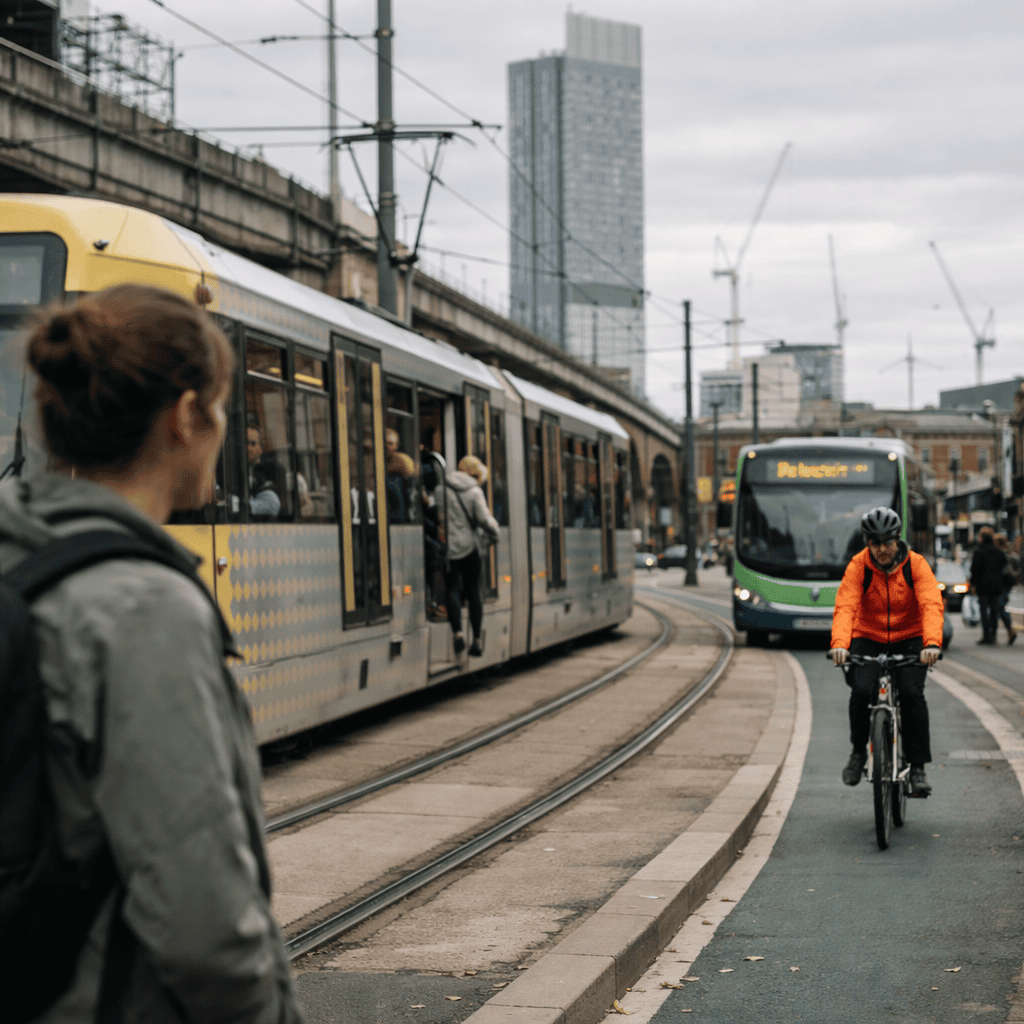
Transporting Our Way Towards A More Sustainable Future For Greater Manchester
Greater Manchester is at a pivotal moment in its journey toward cleaner air, lower carbon emissions, and a healthier urban environment. Transport is one of the biggest contributors to local pollution and climate impacts, which is why improving the way people move around the city-region is central to building a greener future. From modern public transport upgrades to safer walking and cycling routes, the shift toward sustainable travel is no longer a “nice to have”—it is a practical, urgent necessity for communities, businesses, and local authorities alike.
This article explores the key themes raised in “Transporting our way towards a more sustainable future for Manchester,” focusing on how targeted transport investment and behavior change can cut congestion, reduce emissions, and make neighbourhoods more liveable. For a guest post audience, the lesson is clear: sustainable transport is not a single project, but a joined-up strategy that blends infrastructure, policy, and everyday choices to deliver measurable environmental and social benefits across Greater Manchester.
Why Sustainable Transport Matters For Greater Manchester
Transport shapes daily life: commuting to work, accessing education, reaching healthcare, and connecting to leisure. However, heavy reliance on private car travel increases traffic congestion and worsens air quality, particularly along busy corridors and in densely populated areas. Cutting transport emissions is also crucial to meeting wider climate commitments. As Greater Manchester continues to grow, doing “more of the same” risks locking in higher pollution levels and longer journey times.
Sustainable transport offers an alternative path—one that prioritises efficient, low-emission mobility while improving public health. Cleaner buses, more reliable rail and tram services, and safe active travel routes can reduce the number of short car journeys that contribute disproportionately to congestion and emissions. The long-term payoff includes lower carbon output, reduced noise, safer streets, and stronger local high streets supported by footfall rather than traffic.
Public Transport As The Backbone Of A Greener City-Region
A theme that stands out is the importance of public transport as the foundation of sustainable travel across Greater Manchester. When buses, trams, and trains are frequent, reliable, affordable, and well-connected, they become the default choice for many trips. That shift can significantly reduce the number of cars on the road and ease pressure on key routes at peak times.
Investments that improve coverage and service quality make a tangible difference: integrated ticketing, better timetables, clearer passenger information, and upgraded vehicles all encourage adoption. Electrification and low-emission fleets also reduce air pollution in the areas where people live and work. In practice, a stronger public transport network supports economic productivity too—helping employers reach a wider talent pool and making it easier for residents to access opportunities without needing a car.
Active Travel: Walking And Cycling For Shorter, Healthier Trips
Many everyday journeys in Greater Manchester are short enough to be walked or cycled, yet they are often driven due to road conditions, perceived safety concerns, or a lack of continuous routes. Active travel infrastructure—protected cycle lanes, safer junctions, improved crossings, and well-lit pathways—can unlock a major behavioural shift by making walking and cycling feel convenient and secure.
The benefits of active travel extend beyond emissions reduction. Increased physical activity supports public health goals, can reduce pressure on healthcare services, and improves wellbeing. It also creates more attractive local environments: streets that are easier to cross, neighbourhood centres that feel calmer, and routes that connect communities rather than dividing them. Importantly, designing inclusive active travel networks helps people of different ages and abilities travel independently and safely.
Cutting Congestion And Improving Air Quality
Congestion is not only frustrating; it also increases emissions as vehicles idle and move inefficiently. A sustainable transport strategy tackles congestion by offering practical alternatives and by improving how the road network is used. When public transport becomes more competitive and active travel becomes easier, fewer short and medium-length trips need to be made by car.
Lower traffic volumes can produce quick wins for air quality, particularly in urban centres and near busy arterial roads. Cleaner air is a key outcome because it directly affects health—especially for children, older residents, and people with respiratory conditions. Sustainable transport policies therefore deliver environmental benefits while addressing public health and equity concerns across Greater Manchester.
Technology And Innovation In Low-Carbon Mobility
Technology is playing a growing role in helping cities reduce their transport footprint. Cleaner vehicle technologies, real-time service updates, journey-planning apps, and smarter traffic management can all support a smoother shift toward sustainable travel. For example, users are more likely to switch to public transport when they can easily compare routes, track arrivals, and pay seamlessly across different modes.
Innovation also supports the decarbonisation of fleets, including buses and service vehicles, which can have an outsized impact on emissions in busy areas. While technology is not a substitute for strong planning, it can make sustainable choices more accessible and more appealing—especially when integrated with consistent investment in infrastructure and service reliability.
Behaviour Change And Community Buy-In
Infrastructure upgrades matter, but lasting progress depends on people feeling confident about switching how they travel. This is where community engagement, education, and practical incentives become important. When residents understand the benefits and see improvements on the ground—better pavements, safer crossings, more frequent buses—they are more likely to adopt new routines.
Community buy-in also improves project outcomes by ensuring that designs reflect local needs, including accessibility, safety, and connectivity to key destinations. Sustainable transport works best when it is planned with communities rather than simply imposed on them. Over time, these changes can create new norms: walking for local errands, cycling for school runs, and using public transport for commuting and city-centre trips.
The Long-Term Vision For A Sustainable Greater Manchester
The broader vision is a city-region where moving around is cleaner, safer, and more efficient—without sacrificing economic growth or quality of life. Sustainable transport aligns with ambitions to reduce carbon emissions, improve neighbourhoods, and create a more inclusive economy where people can access jobs and services regardless of whether they own a car.
In the years ahead, success will likely come from combining multiple approaches: investing in reliable, low-emission public transport; building connected, protected active travel routes; using technology to improve journey experiences; and maintaining consistent policies that prioritise long-term sustainability over short-term convenience. This integrated direction can help Greater Manchester remain competitive, resilient, and healthier as the region continues to develop.
You can explore the full article by going to the following link: https://timesnewsblog.com/transporting-our-way-towards-a-more-sustainable-future-for-manchester/