Understanding The Three Peaks Challenge
The Three Peaks Challenge is one of the UK’s most iconic endurance events, combining mountain hiking, navigation, teamwork, and time management into a single, unforgettable mission. Participants attempt to summit the highest peaks in Scotland, England, and Wales—Ben Nevis, Scafell Pike, and Snowdon (Yr Wyddfa)—all within 24 hours, including driving time between locations. That mix of physical effort and logistical pressure is what makes the challenge so appealing to charity groups, corporate teams, outdoor clubs, and adventurous individuals who want a meaningful goal to train for.
While it’s often described as a “walk,” the reality is closer to a sustained mountain expedition done at speed. The total hiking distance is roughly 23 miles (around 37 km), with around 3,000 meters of ascent. Weather can change quickly, visibility can drop, and fatigue builds as the hours pass—especially after the long overnight drives. With smart preparation, though, it’s an achievable target that can be safe, rewarding, and hugely memorable.
Setting Goals: National Three Peaks Versus Variations
Most people mean the National Three Peaks Challenge when they talk about “the Three Peaks.” That’s Ben Nevis (1,345 m), Scafell Pike (978 m), and Snowdon (1,085 m). It’s worth knowing that there are alternative “three peaks” routes around the UK (including Yorkshire’s Three Peaks), so make sure your group is aligned on the exact event you’re training for, what the 24-hour target is, and whether you’re attempting a supported challenge with a designated driver or managing transport yourselves.
Clarifying these details early helps you plan the right training volume, nail down travel timelines, and avoid unnecessary stress. It also helps you choose the best dates, which can make an enormous difference to ground conditions and daylight hours.
Training For The Three Peaks Challenge
Fitness is the biggest controllable factor in the Three Peaks Challenge. The best approach is consistent, progressive training that combines cardiovascular endurance with leg strength and time on your feet. Walking and hiking are the foundation, but adding hill repeats, stair sessions, or incline treadmill work can build climbing capacity quickly. Aim to get comfortable with long days where you’re moving for several hours, especially on uneven terrain and steep descents.
Strength and conditioning supports injury prevention and keeps you efficient when fatigue hits. Focus on glutes, quads, calves, and core stability, plus ankle strength for rocky paths. If you can, include practice hikes on mountains or big hills in similar conditions to what you’ll encounter on the challenge. Training in wind and rain might not sound fun, but it’s realistic preparation—and it boosts confidence when the weather isn’t perfect on event day.
Planning The Route And Timing
Completing the Three Peaks within 24 hours is as much a logistics challenge as it is a physical one. Each mountain has different characteristics, and your plan should reflect that. Ben Nevis is a long, sustained climb with potential for harsh weather. Scafell Pike typically involves steeper, rougher terrain and can feel more technical, especially if visibility is poor. Snowdon offers several route options, and choosing the right path for your group’s ability and timing matters.
Driving time between peaks is significant, and traffic can derail a tight schedule. Build buffer time into your plan, rotate drivers if needed, and consider using a dedicated driver so the walkers can rest and refuel. Also plan transitions: parking, boot changes, food stops, and toilet breaks. Small delays can add up across three peaks, so keep transitions efficient without rushing in a way that compromises safety.
Essential Gear For Comfort And Safety
Good gear doesn’t have to be expensive, but it must be appropriate for mountain conditions. Footwear should be well-broken-in boots or sturdy trail shoes with reliable grip. Blisters can ruin the challenge, so invest in quality socks and learn what blister prevention works for you (such as liner socks, tape, or anti-chafe balm). A waterproof jacket and trousers are vital, along with warm mid-layers, hat, and gloves—even in summer.
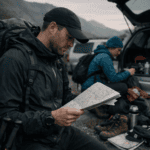
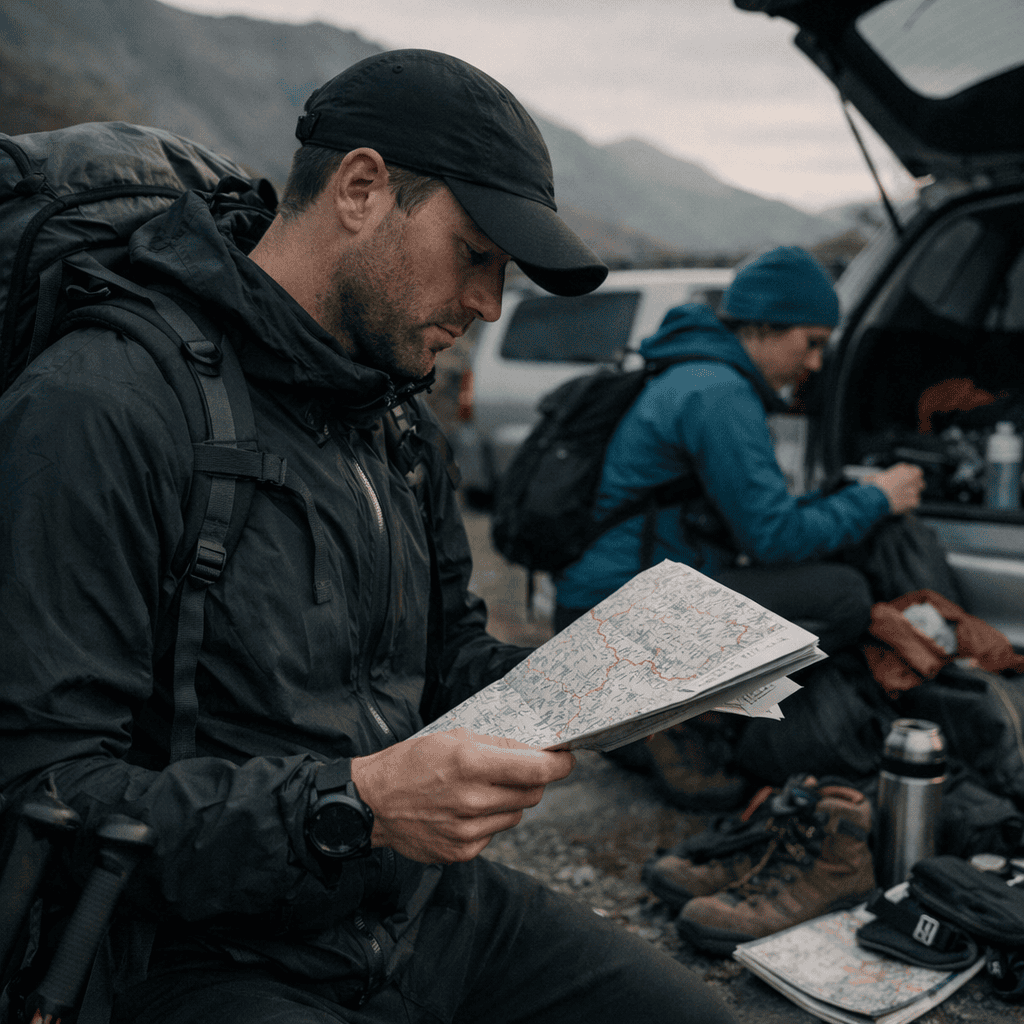
Carry a headtorch with spare batteries, as much of the challenge is often completed overnight. Navigation tools matter too: OS maps, a compass, and/or a GPS device or app, plus the knowledge to use them. A small daypack should include water, high-energy snacks, a basic first aid kit, and an emergency layer. Conditions on the summits can be dramatically different from the car park, so prepare for cold, wind, and rain at any time.
Nutrition, Hydration, And Recovery Between Peaks
Fueling well can be the difference between finishing strong and struggling on the final climb. Prioritize steady energy intake: sandwiches, wraps, bananas, flapjacks, trail mix, and easy-to-digest snacks that you actually enjoy eating. Many challengers find that appetite drops overnight, so bring a variety of flavors and textures and plan simple, familiar foods rather than experimenting on the day.
Hydration is equally important. Sip consistently rather than chugging occasionally, and consider electrolytes—especially if it’s warm or you sweat heavily. Between peaks, use the driving segments for recovery: elevate feet if possible, change into dry layers, stretch lightly, and try to rest. Even short naps can improve alertness and mood during the final ascent.
Safety Considerations And Team Mindset
The Three Peaks Challenge is demanding, and mountain safety should be central to your planning. Check weather forecasts for each location, understand route options, and be willing to adjust plans if conditions worsen. If visibility is low or winds are extreme, consider a safer route or postpone—there’s no shame in prioritizing safety over a strict time target.
A supportive team mindset helps the whole group succeed. Set expectations about pacing, regroup points, and decision-making authority before you start. Some teams appoint a leader for each peak, while others stick together throughout. Either approach can work, but clear communication prevents frustration and keeps morale high when fatigue hits.
Charity Fundraising And Responsible Participation
Many people take on the National Three Peaks Challenge to raise money for charity, which adds extra motivation and meaning to the effort. If you’re fundraising, set up your donation page early, tell your story, and share your training progress. Donors respond well to authenticity, and regular updates build momentum.
It’s also worth thinking about impact. The Three Peaks routes are popular, and large groups can contribute to congestion, erosion, and litter if not careful. Stick to paths, take all rubbish home, and respect local communities—especially at night when noise can be disruptive. Responsible participation keeps the challenge welcome for future walkers.
Final Thoughts On Preparing For The Three Peaks Challenge
Success in the Three Peaks Challenge comes from balancing fitness, planning, gear, and sensible decision-making. Train your legs and lungs, practice walking on steep and rocky ground, and treat logistics as seriously as the hikes themselves. Pack for changeable weather, fuel steadily, and keep safety as the priority. Whether your goal is a fast 24-hour time or simply completing the three summits with your team, good preparation turns a tough event into an incredible achievement.
You can explore the full article by going to the following link: https://www.enjoy-sports-life.com/three-peaks-challenge/