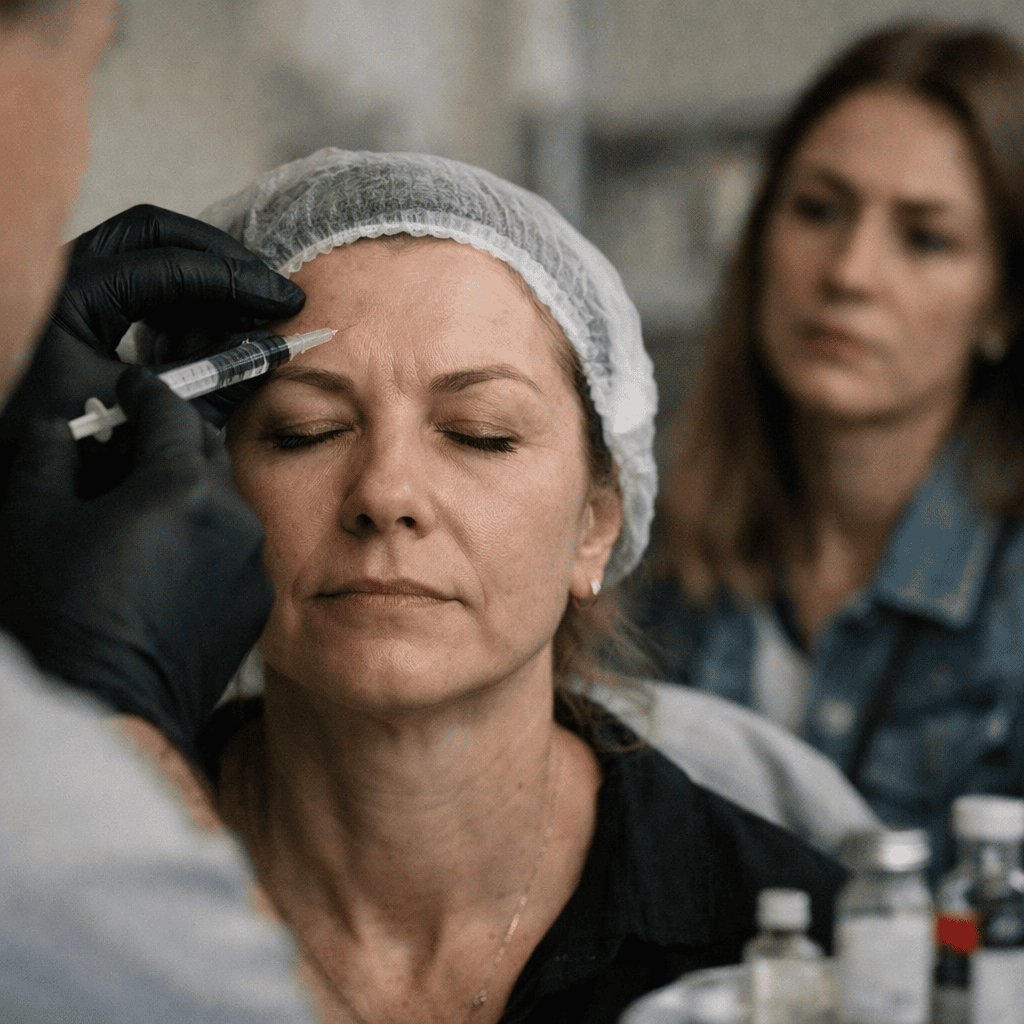
Botox and dermal fillers have become two of the most requested non-surgical aesthetic treatments worldwide, yet misinformation still shapes how many people feel about them. From fears of looking “frozen” to the assumption that injectables are only for older adults, these myths can prevent people from making confident, well-informed choices about their appearance and skincare goals. Below, we unpack the most common misconceptions of Botox and fillers, clarify what these treatments actually do, and explain how to approach them safely and realistically.
Misconception 1: Botox And Fillers Are The Same Treatment
One of the biggest sources of confusion is assuming Botox and fillers are interchangeable. They aren’t. Botox (botulinum toxin) is a neuromodulator that relaxes targeted facial muscles, helping soften the appearance of dynamic lines—wrinkles created by repeated expression, such as frown lines, forehead lines, and crow’s feet. Dermal fillers, on the other hand, are typically gel-like substances (commonly hyaluronic acid-based) that restore volume, shape facial contours, and smooth static lines that are visible even when the face is at rest.
Understanding this difference is essential for setting realistic expectations. If you’re hoping to reduce deep folds caused by volume loss, filler may be recommended. If your main concern is expression lines from frequent movement, Botox may be more appropriate. In many cases, experienced practitioners may use both treatments strategically for balanced, natural-looking facial rejuvenation.
Misconception 2: Injectables Always Look Unnatural Or “Frozen”
Many people avoid Botox because they fear losing facial expression or looking overly “done.” The reality is that unnatural results are usually linked to poor technique, incorrect dosing, or inappropriate product placement—not the treatments themselves. When performed by a qualified, experienced injector, Botox should look subtle, not stiff. The goal is typically to soften excessive movement in certain areas while preserving a natural, expressive appearance.
Similarly, fillers don’t have to look puffy or exaggerated. A conservative approach that respects facial anatomy can restore youthful contours without changing your identity. Modern aesthetic medicine increasingly prioritizes facial harmony and minimalism—enhancing what you already have rather than chasing dramatic alterations.
Misconception 3: Botox And Fillers Are Only For Older People
Another common myth is that you should only consider injectables once wrinkles are deep and obvious. While these treatments can certainly help mature skin, many adults in their 20s and 30s explore preventative Botox—sometimes called “prejuvenation”—to help reduce the formation of pronounced expression lines over time. The underlying idea is that relaxing certain repetitive movements may slow the etching-in of dynamic lines.
Fillers may also be used by younger adults, though often for different reasons than anti-aging. Some seek subtle lip enhancement, contouring, or correction of hereditary under-eye hollows. Age alone is not the deciding factor; the right time depends on your goals, facial structure, skin quality, and the recommendations of a qualified medical professional.
Misconception 4: Botox And Fillers Are Permanent
People sometimes assume that once you start injections, you’re stuck with the results indefinitely. In reality, Botox is temporary. Effects typically last around three to four months, though this can vary depending on the area treated, metabolism, dosage, and how expressive your facial muscles are. When it wears off, muscle activity gradually returns and lines may reappear as they did before treatment.
Fillers also are not permanent, although they generally last longer than Botox. Depending on the product used and the treatment area, results can last from six months to over a year. Some hyaluronic acid fillers can also be adjusted or reversed with an enzyme called hyaluronidase if medically appropriate. This temporary nature can be reassuring: it allows room to refine your aesthetic plan over time rather than committing to a permanent change.
Misconception 5: Botox And Fillers Are Dangerous When Done Properly
No medical procedure is entirely risk-free, but Botox and fillers have strong safety records when administered by trained, licensed professionals using approved products. Problems tend to occur when people seek bargain treatments from unqualified injectors, receive counterfeit products, or undergo injections in non-medical settings that don’t follow proper hygiene and safety standards.
Choosing a reputable clinic and a medically trained injector is one of the most important steps you can take. A thorough consultation should cover your medical history, desired outcomes, appropriate treatment options, possible side effects, and aftercare instructions. Common, mild side effects may include temporary swelling, redness, bruising, or tenderness. Serious complications are rare but underscore why it’s vital to prioritize expertise over cost.
What To Expect From A Quality Consultation
A great Botox or filler experience typically starts well before the needle. A qualified provider should assess your facial anatomy, skin condition, and muscle movement, then recommend a plan based on balance and proportion—not trends. Communication matters: explain what bothers you, what you want to preserve, and whether you prefer subtle refinement or more noticeable enhancement.
You should also feel comfortable asking questions such as: Which product will you use? Why is it suitable for my concern? How many units or how much filler do you recommend? What will the results look like in motion? What is the maintenance schedule? Clear answers and realistic expectations are strong indicators you’re in safe hands.
How To Achieve Natural-Looking Results
Natural results typically come down to three principles: conservative dosing, precise placement, and a personalized plan. The best outcomes often involve enhancing facial features in a way that still looks like you—just more refreshed. It can be tempting to overcorrect, but subtle improvements tend to be more flattering and easier to maintain.
It’s also worth remembering that injectables are not a replacement for good skincare, sun protection, hydration, and healthy habits. Many practitioners recommend combining treatments with medical-grade skincare, professional facials, or laser therapies depending on your goals and skin type.
The Bottom Line On Botox And Fillers
Botox and fillers are different treatments with different purposes, but both can be effective tools for facial rejuvenation and aesthetic enhancement when approached responsibly. Most misconceptions come from outdated stereotypes, social media extremes, or experiences with unqualified injectors. By understanding what these treatments do, how long they last, and what safe, natural outcomes look like, you’ll be in a better position to decide whether they align with your goals.
They can explore the full article by going to the following link: https://www.healthandbeautytimes.com/5-common-misconceptions-of-botox-and-fillers/