If you are researching injectable aesthetics as a potential career move, it is normal to have lots of questions before you commit to a course. From prerequisites and certification to what you will actually learn on the day, the process can feel unclear—especially with so many training providers and course formats available. This guide highlights the key takeaways inspired by “botox and filler training- questions answered,” focusing on what aspiring practitioners most want to know when considering Botox and dermal filler training.
Why Botox And Filler Training Is In High Demand
Non-surgical cosmetic treatments continue to dominate the aesthetics industry due to their convenience, minimal downtime, and highly customizable results. As client demand grows, clinics and medi-spas increasingly look for trained professionals who can deliver safe, consistent outcomes. Quality Botox and filler training is more than learning injection points; it is about mastering facial assessment, understanding product behavior, and prioritizing patient safety at every stage of treatment.
For many learners, this training is also an attractive way to expand an existing beauty, wellness, or medical career. Whether you want to add new services to your practice or pivot into aesthetics full time, comprehensive education is essential to build confidence and credibility.
Who Can Take Botox And Filler Training Courses
One of the first questions people ask is who is eligible to train. Requirements vary by location and provider, but many reputable programs cater primarily to licensed medical professionals such as nurses, dentists, physicians, and sometimes other regulated practitioners. In some regions, non-medical learners may be able to take certain aesthetic courses, but they may face limitations on injecting or may need a medical prescriber relationship or supervision to practice legally.
The most important step is to confirm your local regulations and choose a training provider that is transparent about entry requirements. A strong course will also clarify what insurance, oversight, and prescribing arrangements may be required after qualification.
What You Learn During Botox And Dermal Filler Training
Effective training blends theory with hands-on practice. A well-structured Botox and filler course generally covers facial anatomy, common treatment areas, patient consultation, and safe injection technique. Botox education often includes how to assess facial movement, create treatment plans, and manage dosage strategies. Dermal filler modules typically focus on restoring volume, contouring, and understanding how different filler types behave in various facial zones.
In addition to technique, quality training emphasizes best practice standards such as infection control, documentation, consent, and aftercare. You should also learn how to recognize risk factors, screen suitable candidates, and set expectations with clients to support ethical outcomes.
How Hands-On Practice And Models Work
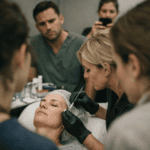
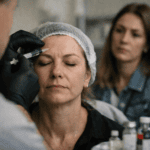
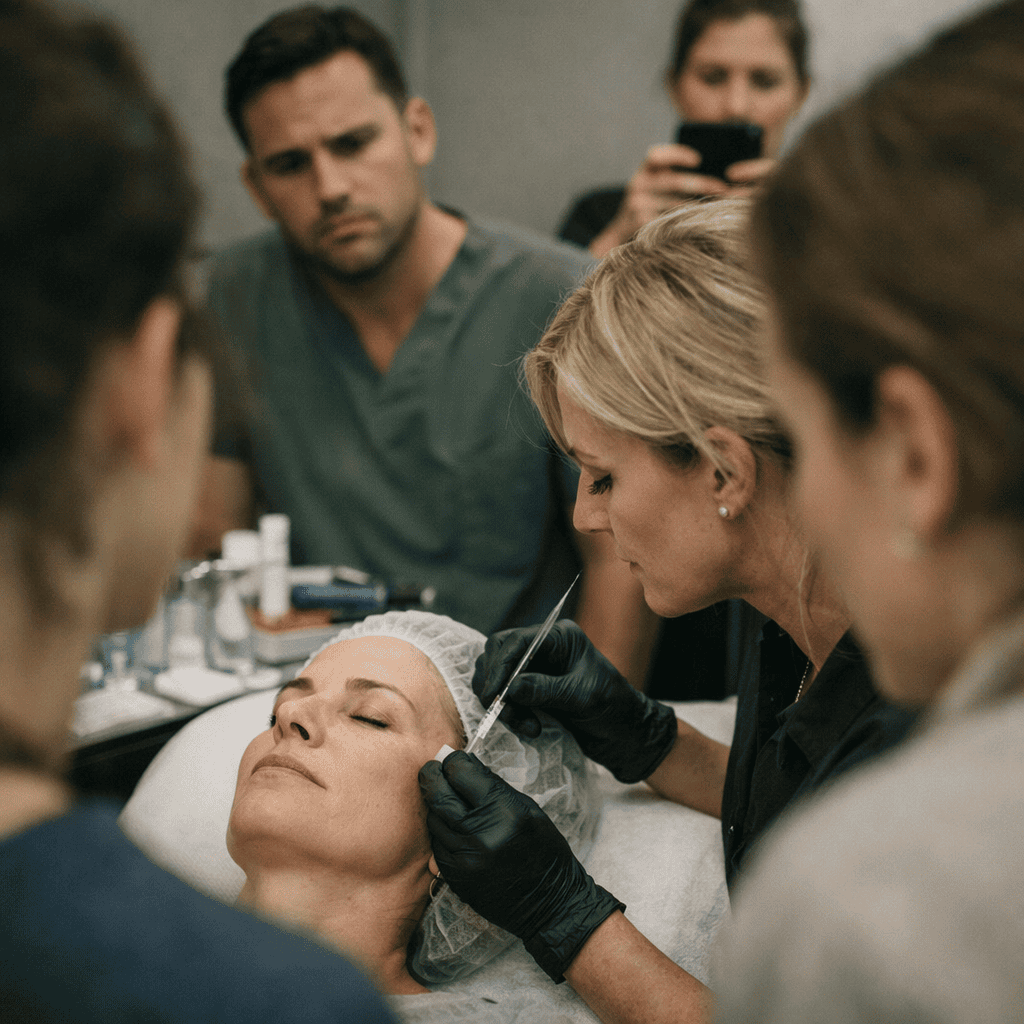
Many learners worry about whether they will actually inject during training. The strongest programs include supervised treatment on live models, allowing you to translate theory into real clinical skill. Typically, training providers either supply models or allow learners to bring their own; policies depend on the course.
Supervision matters just as much as access to models. Look for small group ratios, experienced medical trainers, and clear guidance throughout the practical component. This is where confidence is built—through careful assessment, correct placement, and real-time feedback during injections.
Safety, Complications, And Emergency Preparedness
Any responsible Botox and filler training must prioritize patient safety. That includes understanding contraindications, minimizing bruising and swelling, and knowing how to respond if something goes wrong. Botox complications can include asymmetry or unwanted muscle relaxation, while dermal filler carries higher-risk concerns such as vascular compromise.
High-quality training should address complication recognition and management, including protocols, escalation steps, and the importance of having appropriate emergency resources. Even if complications are rare, being prepared is a non-negotiable part of professional practice and one of the main reasons to choose reputable education over shortcuts.
How Long Training Takes And What Certification Means
Course length varies widely—from intensive one-day training to multi-day programs with extended mentoring. Some learners prefer fast-track entry, while others benefit from layered learning, follow-up support, and advanced modules. Certification can also differ by provider, and it is important to understand what your certificate represents: completion of training, demonstrated competency, or eligibility for further supervised practice.
If you are choosing between options, consider what kind of post-course support is included, whether the training aligns with insurance expectations, and whether you can access ongoing mentorship as you begin treating clients.
Choosing A Reputable Training Provider
Not all Botox and filler courses are created equal. When comparing training providers, look beyond the marketing and focus on credibility. A reputable program should clearly state who the course is for, what the learning outcomes are, and how practical skills are assessed. Trainer experience is critical—especially trainers with strong clinical backgrounds and real-world aesthetics expertise.
Other quality indicators include structured course materials, a strong focus on consultation and facial assessment, safe practice policies, and opportunities to ask questions throughout. If possible, seek reviews from former learners and confirm the provider’s standards for supervision during hands-on sessions.
What To Do After Training: Building Skills And Aesthetic Confidence
Completing training is the start, not the finish line. Newly trained practitioners often begin by treating a small number of clients under guidance, focusing on straightforward areas and gradually expanding their treatment menu. Taking before-and-after photos (with consent), documenting outcomes, and reflecting on technique can help you improve quickly while maintaining safe standards.
Many professionals also continue with advanced training, such as lip augmentation, cheeks, jawline contouring, or complication management workshops. Over time, a combination of education, careful practice, and ongoing mentorship helps you develop your own aesthetic style and clinical judgment.
Common Questions To Ask Before You Enroll
Before paying a deposit, it is smart to ask direct questions. For example: Will you inject on live models? How many students per trainer? What topics are covered in anatomy and complications? What certificate is issued? Is there post-course support? Are products and model costs included? You should also clarify what you are legally allowed to do after training in your region and what insurance requirements may apply.
Asking these questions upfront makes it easier to select a program that matches your goals, experience level, and professional responsibilities.
Final Thoughts On Botox And Filler Training
Botox and dermal filler training can be a powerful step toward a career in aesthetic injectables, but the best outcomes depend on choosing education that prioritizes safety, supervised practice, and ethical patient care. By understanding eligibility, course structure, hands-on requirements, and what happens after certification, you can move forward with clarity and confidence.
You can explore the full article by going to the following link: https://www.divinebeautytips.com/botox-and-filler-training-questions-answered/