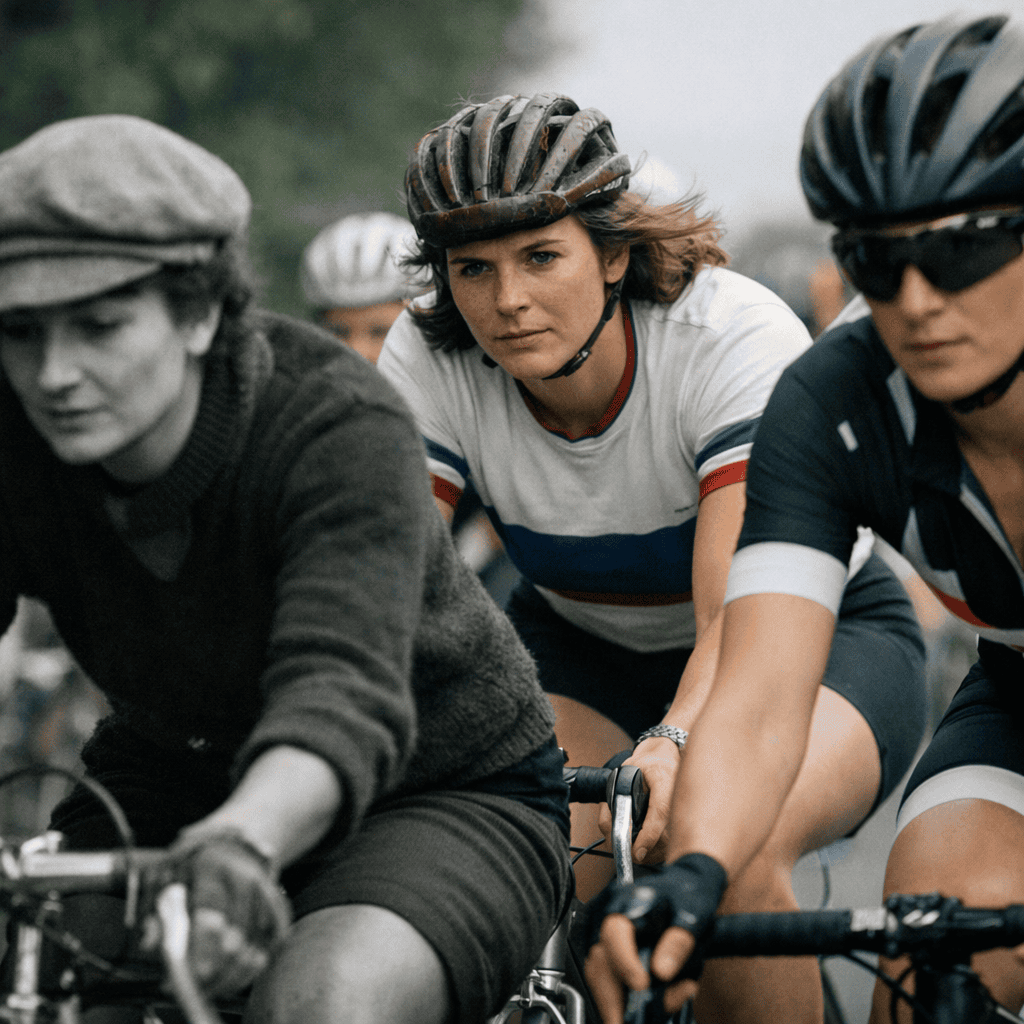
History of Women In Cycling: From Victorian Rebels To Modern Champions
The history of women in cycling is a story of freedom, fashion revolutions, and fierce athletic achievement. Long before cycling became a global sport with world tours and Olympic medals, the bicycle represented something deeply political for women: independent movement. The article “An Introductory History of Women in Cycling” on History Is Now Magazine traces how women took to two wheels despite social pressure, restrictive clothing, and institutional barriers. This guest-post overview draws on those themes to explore how women’s cycling evolved, why it mattered, and how it continues to shape sport and society today.
Early Bicycles And The Social Shock Of Women Riding
In the late nineteenth century, cycling surged in popularity, and this “bicycle boom” extended to women—prompting admiration, criticism, and moral panic in equal measure. For many women, a bicycle was not merely a pastime. It was a tool that expanded their world beyond the home, enabling solo travel and everyday autonomy. That independence unsettled conservative voices who argued that cycling threatened femininity or encouraged improper behavior. Yet women continued to ride, using the bicycle as a symbol of modernity and personal control.
Cycling, Dress Reform, And The Battle Over Practical Clothing
One of the biggest obstacles to early women cyclists was not the road but the wardrobe. Traditional skirts, corsetry, and layered garments made cycling difficult and at times dangerous. As more women cycled, pressure grew for practical attire, contributing to broader “dress reform” movements. Bloomers and divided skirts became flashpoints: supporters argued for comfort and safety, while critics framed the clothing as unfeminine or scandalous. The cultural debate over what women “should” wear on a bicycle mirrored larger debates about women’s roles in public life. Cycling didn’t just change how women moved; it helped change how women dressed—and how society discussed women’s bodies and freedoms.
Health Myths, Medical Warnings, And A New Vision Of Fitness
As women’s cycling gained visibility, so did pseudoscientific warnings about its supposed dangers. Some doctors and commentators claimed cycling would harm women’s reproductive health or cause a range of fabricated ailments. These anxieties reveal more about the era’s gender assumptions than about physiology. Over time, however, women’s growing participation in cycling and other sports helped normalize the idea of women as robust, capable athletes. The bicycle became part of a wider shift toward women’s physical education, outdoor exercise, and public recreation—challenging the notion that vigor and endurance were exclusively male traits.
Women’s Competitive Cycling: Early Racers And Hidden Histories
While leisure cycling expanded rapidly, competitive opportunities for women were far more limited. Early women cyclists who raced or performed endurance feats often did so under intense scrutiny and with fewer pathways to recognition than male riders. Nonetheless, women found ways to compete—sometimes in exhibitions, sometimes in local or informal circuits, and sometimes in events that have since been forgotten or minimized in mainstream sports history. The lineage of women’s racing includes not only champions but also countless pioneers whose results were underreported or dismissed. Revisiting those stories helps explain why equality in cycling has required sustained advocacy rather than simply “waiting for progress.”
The Twentieth Century: Progress, Pushback, And Slow Institutional Change
Across the twentieth century, women’s cycling developed unevenly. In some places and periods, women gained greater access to clubs, events, and training culture; in others, stereotypes and governing bodies restricted women’s participation. Wars, economic shifts, and changing norms all influenced who could ride, how often, and with what level of support. Even as bicycles became common for daily transport, women athletes frequently dealt with unequal prizes, fewer races, minimal sponsorship, and limited media coverage. The article’s broader historical arc underscores that women’s cycling history is not a straight line upward, but a pattern of breakthroughs followed by resistance—and then renewed efforts to expand access.
Modern Women’s Cycling: Professionalization And Visibility
Today, women’s cycling is increasingly visible, professional, and international. Major races attract growing audiences, and elite riders have pushed the sport to new performance levels. Yet the modern era also highlights ongoing structural questions: equal pay, race parity, development pathways, and the resources available to women’s teams versus men’s. The push for expanded women’s calendars, stronger sponsorship ecosystems, and equitable broadcast coverage echoes the earlier struggles for legitimacy and respect. In that sense, modern women’s cycling is both a celebration of progress and a continuation of a long fight for fair treatment.
Why The History Of Women In Cycling Still Matters
Women’s cycling history matters because it captures how technology and sport can reshape society. The bicycle offered women mobility at a time when mobility itself was power. It transformed streets into places where women could be seen acting independently. It challenged clothing norms, medical myths, and the boundaries of public life. And it laid part of the groundwork for women’s modern sport—where participation is now widespread, but equality still requires vigilance. Learning this history also deepens appreciation for today’s riders, who benefit from past struggles while still confronting the legacies of uneven investment and representation.
Explore The Original Source
If you’d like to dive deeper into the milestones, personalities, and cultural debates that shaped women’s cycling over time, you can explore the full article here: http://www.historyisnowmagazine.com/blog/2022/2/17/an-introductory-history-of-women-in-cycling#.Yh93L-jP02w=.