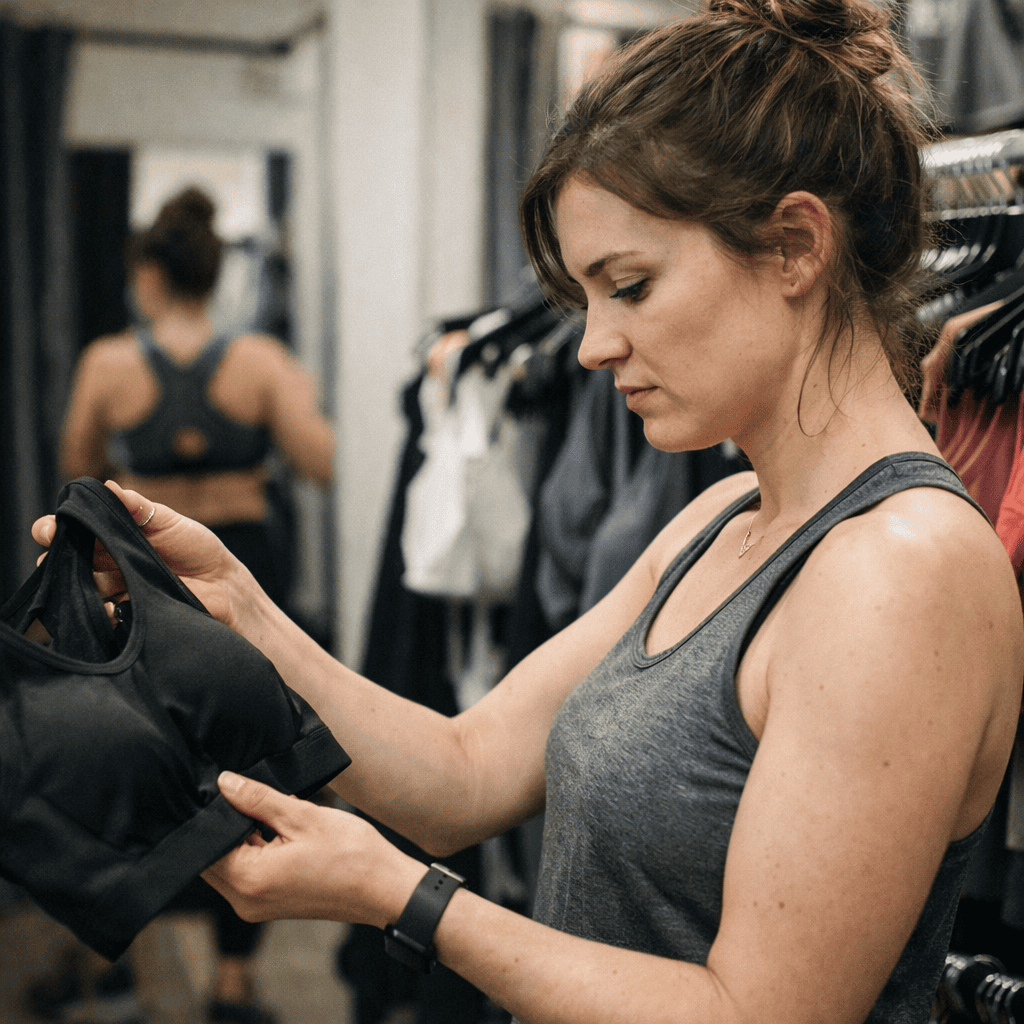
Why The Right Sports Bra Matters For Comfort And Performance
Buying the right sports bra can be the difference between a focused, confidence-filled workout and an uncomfortable session spent adjusting straps or dealing with unwanted bounce. A well-chosen sports bra is designed to reduce breast movement, minimize discomfort, and support your body during everything from gentle yoga flows to high-impact HIIT training. Beyond comfort, proper support can help protect breast tissue, reduce strain through the neck and shoulders, and improve your overall posture while exercising.
Because every body is different, a “one-size-fits-all” approach doesn’t work here. The best sports bra for you depends on your bust size, your activity level, your preferred fit, and the features that make you feel secure. Understanding how sports bras are built, how to measure your size, and which styles suit different workouts makes shopping far easier—and far more successful.
Understand Support Levels: Low, Medium, And High Impact
One of the most important factors when choosing a sports bra is matching it to the intensity of your workout. Low-impact sports bras are typically best for activities with minimal bouncing, such as stretching, Pilates, yoga, and light walking. These styles often prioritize comfort, softer fabrics, and flexible structure.
Medium-impact options work well for strength training, cycling, dance workouts, and moderate cardio—activities where you’ll move more dynamically but not with repeated heavy impact. High-impact sports bras are the go-to choice for running, jumping, aerobics, court sports, and intense interval training. These are designed to offer maximum support with stronger materials, more structure, and often a tighter, more secure fit.
It’s common to need different sports bras for different activities. If you run and also lift weights, consider having at least one high-impact bra for cardio days and a medium-impact style for training sessions.
Compression Vs Encapsulation: Choose The Right Construction
Sports bras typically support the bust using compression, encapsulation, or a combination of both. Compression bras press the breasts close to the chest to limit movement. They’re often pull-on styles and can be a comfortable option for smaller cup sizes or lower-impact workouts.
Encapsulation bras use separate, defined cups to support each breast individually. This can offer a more secure, shaped fit and is often preferred for larger busts and higher-impact activities. Many of the best high-support bras combine encapsulation with a compressive outer layer, helping reduce bounce from multiple angles.
When deciding between these designs, think about your bust size and how much movement you experience in exercise. If you notice discomfort or excessive motion, an encapsulation or combination style may provide better stability.
How To Measure Your Sports Bra Size Properly
Fit is everything, and many people unknowingly wear the wrong size. Start by measuring your underbust (ribcage) where the band sits, keeping the tape snug and level. Then measure around the fullest part of your bust. The difference between these measurements helps determine your cup size, while the underbust measurement guides your band size.
When you try a sports bra on, the band should feel firm—this is where most of the support comes from. It should sit level across your back and not ride up. Cups should fully contain breast tissue without spilling over the top or sides, and without gaping. Straps should be supportive but not digging into your shoulders; if straps are doing all the work, the band may be too loose.
Because sizing can vary across brands and styles, it’s smart to try multiple sizes if you’re between measurements or switching to a different bra structure.
Key Features To Look For In A Great Sports Bra
The best sports bras balance support, comfort, and durability. Start with the band: a wide, strong underband with a secure closure or reinforced elastic can significantly improve stability. Next, consider straps. Wider straps distribute weight more evenly, while adjustable straps help customize fit—especially useful for high-impact workouts or larger busts.
Look at the back design as well. Racerback, cross-back, and T-back styles can increase stability and help keep straps from slipping. Some bras include molded cups for shape, while others offer removable pads for flexibility—just be aware that removable pads can move around in the wash and may require occasional adjustment.
Breathable, moisture-wicking fabrics are also essential. Sweat management helps reduce chafing and discomfort, especially during long sessions or warm weather. Flat seams, soft linings, and smooth edges can further prevent irritation.
Matching Your Sports Bra To Your Workout Wardrobe
Color, neckline, and style matter, too—especially if you wear your sports bra as a top or under lighter layers. A higher neckline may offer more coverage and security for jumping or running, while a lower neckline can feel cooler and less restrictive for gym sessions. If you plan to wear it under fitted tops, look for smooth fabrics and minimal seaming to reduce visible lines.
Some people prefer bras with front zips for easier on-and-off, particularly after sweaty workouts. If you choose a zip-front style, make sure it includes an internal clasp or locking zipper mechanism for security, plus a comfortable zipper guard to prevent rubbing.
Common Fit Problems And How To Fix Them
If your bra rides up in back, the band is likely too loose—size down in the band and adjust the cup accordingly. If you experience spillage, you may need a larger cup or a style with better coverage and encapsulation. If straps slip, try a racerback design or a bra with adjustable straps; also check that the band is snug enough to anchor the bra correctly.
If you feel restricted breathing, the band may be too tight, or the compression may be too aggressive for your needs. In that case, try a different size or switch to an encapsulation style that supports without excessive overall compression.
Care Tips To Make Sports Bras Last Longer
Sports bras take a lot of stress, especially when they’re worn frequently and exposed to sweat. Washing them gently helps preserve elasticity, which is crucial for support. If possible, wash in cold water on a delicate cycle, use a lingerie bag, and avoid harsh detergents. Air-drying is usually best, since heat can break down elastic fibers over time.
Rotating between multiple sports bras can also extend their lifespan and improve hygiene. If you notice the band becoming loose, the fabric thinning, or support decreasing, it’s time to replace it—particularly if you rely on it for high-impact workouts.
Shop Smarter: Prioritize Fit, Support, And Confidence
Buying the right sports bra is ultimately about feeling secure, supported, and free to move. Start with your workout type, choose the correct support level, and focus on fit—especially in the band and cups. Then refine your selection based on features like adjustability, moisture control, and back design. With the right choice, you’ll improve comfort, reduce distractions, and make every training session feel better.
You can explore the full article by going to the following link: https://womenfitnessmag.com/buying-the-right-sports-bra/