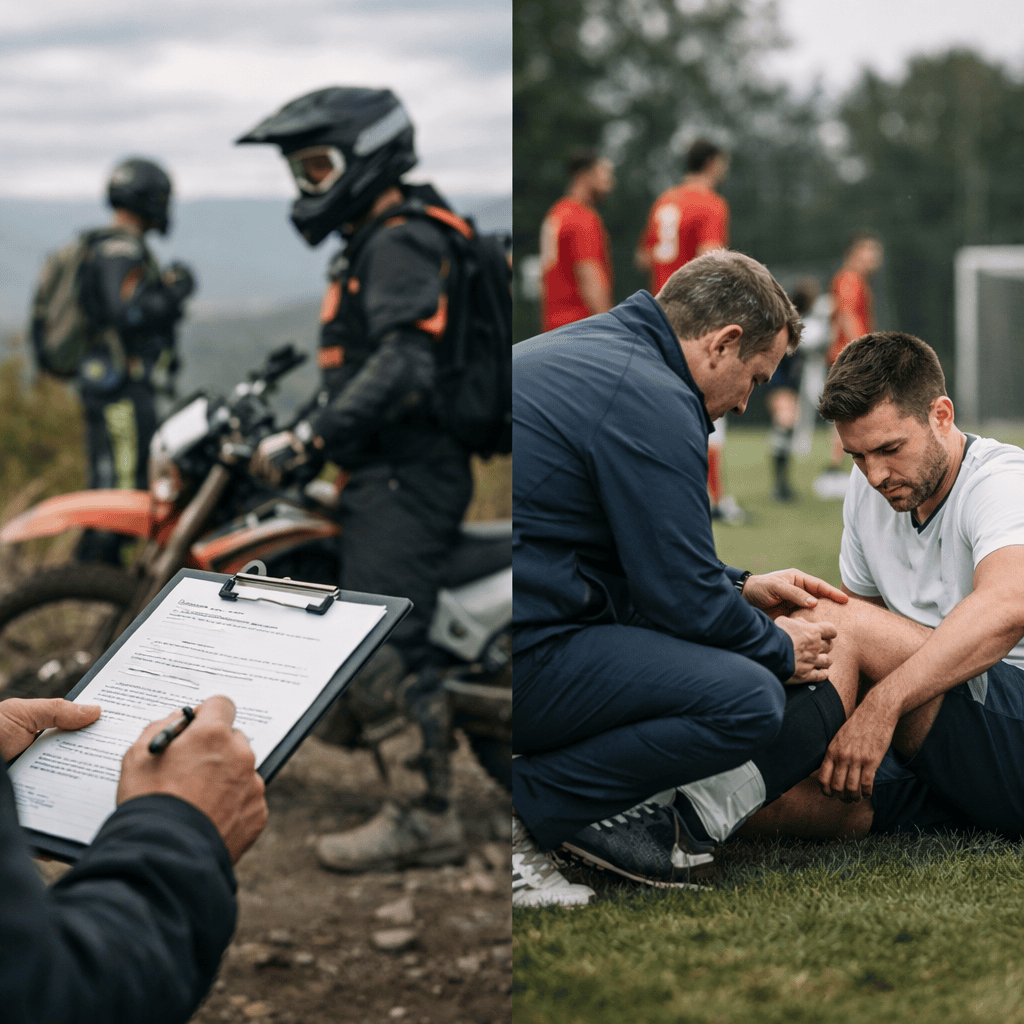
Understanding Specialist Sports Insurance And Mainstream Insurance
Choosing the right sports insurance can make a decisive difference when you are injured, your equipment is damaged, or an unexpected cancellation disrupts your plans. While many people assume a standard insurance policy will cover sporting activities, the reality is often more complex. Mainstream insurance is typically designed for everyday risks and general lifestyles, whereas specialist sports insurance is built specifically around the unique hazards, higher injury rates, and travel or competition demands that come with sport.
If you participate regularly, compete, coach, or travel for sport, it is worth understanding how specialist sports insurance compares with mainstream insurance. Knowing the practical differences can help you avoid gaps in protection, reduce exclusions, and make sure you are properly covered for the activities that matter most.
Why Sports Participants Face Different Risks
Sports and outdoor activities bring risks that aren’t always present in day-to-day life: higher speeds, greater physical contact, remote locations, specialist equipment, and increased likelihood of injury. Even “amateur” participation can involve significant medical bills, physiotherapy, or time off work. Some sports also increase third-party liability exposure—such as accidental injury to another participant or damage to facilities—especially in organised events, clubs, and coaching environments.
Because insurers price and structure policies based on risk, many mainstream providers either exclude certain sports entirely or apply strict limits. Specialist sports insurance exists to address these realities with cover that reflects how sport is actually practiced—training, competing, travelling, and sometimes pushing boundaries.
Mainstream Insurance: Useful, But Often Limited For Sport
Mainstream insurance can include products like standard travel insurance, health cover, personal accident cover, or home insurance for belongings. These can be good value and suitable for low-risk activity, but problems often appear once sport becomes more intense, frequent, or specialised.
Common limitations in mainstream policies may include exclusions for “hazardous activities,” restrictions on competitive participation, limits on equipment protection, and narrow definitions of acceptable training environments. It is also common to see exclusions for injuries sustained during professional or semi-professional activity, or for incidents that occur off marked trails or outside supervised settings.
For example, a standard travel insurance policy might cover a casual swim or a gym session, but exclude injuries sustained during competitions, winter sports, motor sports, combat sports, adventure activities, or event training. Even when a sport is mentioned as “covered,” the policy may impose conditions that are easy to overlook—like requiring protective equipment, restricting altitude, limiting location, or excluding certain manoeuvres.
Specialist Sports Insurance: Built Around Sporting Realities
Specialist sports insurance is designed for people whose participation goes beyond occasional recreation. It often provides clearer protection for the risks commonly encountered in training and competition, and it may offer tailored options depending on the sport and the level of involvement.
While cover varies between providers, specialist policies are typically structured to address areas that matter most to athletes and enthusiasts: sports injury medical cover, personal accident benefits, liability cover, equipment cover, and sometimes cancellation or curtailment due to injury. Specialist insurers also tend to understand the practical demands of sport—such as higher-value kit, frequent travel, and the difference between training sessions and formal events.
This doesn’t automatically mean specialist insurance is always “better,” but it is often more aligned with sporting risk. Where mainstream policies can be broad but shallow, specialist sports insurance aims to be narrower but deeper, focusing on the situations that are most likely to arise for active participants.
Key Differences: Exclusions, Definitions, And Policy Clarity
One of the biggest differences is how each type of insurer defines acceptable activities. Mainstream insurance often relies on general categories (“extreme sports,” “dangerous activities,” “professional sport”), which can be interpreted strictly at claims stage. Specialist sports insurance is generally more explicit about what is covered, how it is covered, and under what conditions.
That clarity matters. A claim can hinge on details such as whether an activity was competitive, whether you were coached, whether you were on a marked route, or whether the incident occurred during training for an event. Specialist providers are more likely to have policy wording that anticipates these scenarios, which can reduce uncertainty when you need support most.
Equipment And Personal Belongings: A Common Coverage Gap
Sports equipment can be expensive, and many items are used in environments where damage or theft is more likely. Mainstream home or travel policies may not cover specialist gear fully, may apply low single-item limits, or may exclude damage that occurs during use. That can leave a gap when a bike, board, skis, or other essential kit is damaged during an incident.
Specialist sports insurance frequently offers options to insure equipment more appropriately, with terms that reflect real sporting usage. Depending on the policy, you may be able to cover higher values, include items while they are in use, and protect against loss or theft during travel to events. For anyone who regularly transports and relies on high-value kit, this can be a major deciding factor.
Injury, Medical Costs, And Time Off Work
Injuries are one of the most common reasons people look for sports-specific cover. Mainstream policies may provide limited personal accident benefits or medical cover, but they often aren’t tailored to the intensity of sport, the likelihood of injury, or the need for rehabilitation support. Some policies may exclude injuries caused by certain activities altogether.
Specialist sports insurance may include broader sports injury protection and additional benefits designed for active people. This can be particularly important if you travel for sport, participate regularly, or rely on physical performance for income. In more serious cases, cover relating to recovery support, physiotherapy, or time away from work may be relevant—though the exact benefits vary and should be checked carefully.
Liability Cover For Participants, Coaches, And Clubs
Liability is often overlooked, but it can be one of the most important protections. If you accidentally injure someone else, damage property, or cause an incident during organised activity, liability claims can be costly. Mainstream insurance sometimes includes personal liability, but coverage may be limited, excluded for sporting incidents, or not designed for coaching and club contexts.
Specialist sports insurance may provide liability cover suited to the realities of training and competition. This can be especially relevant for instructors, coaches, and people who organise events, where the duty of care is higher and exposures can be more complex. Anyone in a position of responsibility should check whether their role changes the type of cover required.
How To Choose The Right Type Of Sports Insurance
The best choice depends on what you actually do. If your activity is low-risk and occasional, mainstream insurance might be sufficient—provided the sport is clearly included and you understand the exclusions. If you train regularly, compete, travel frequently, or use high-value equipment, specialist sports insurance can offer more appropriate protection and clearer policy terms.
Before buying any policy, review: the list of covered sports, exclusions and definitions, competitive participation rules, equipment limits, medical and injury benefits, liability inclusion, and any conditions such as safety gear requirements. Comparing policies on wording—not just price—often reveals the most meaningful differences.
Final Thoughts On Specialist Sports Insurance Vs Mainstream Insurance
Mainstream insurance can be a convenient starting point, but it may not reflect the true risk profile of many sports. Specialist sports insurance is designed to address the common gaps—like unclear exclusions, limited equipment protection, and restrictions around competition or training—so active participants can get coverage that better matches their lifestyle.
You can explore the full article by going to the following link: https://www.abcmoney.co.uk/2022/02/16/specialist-sports-insurance-vs-mainstream-insurance/