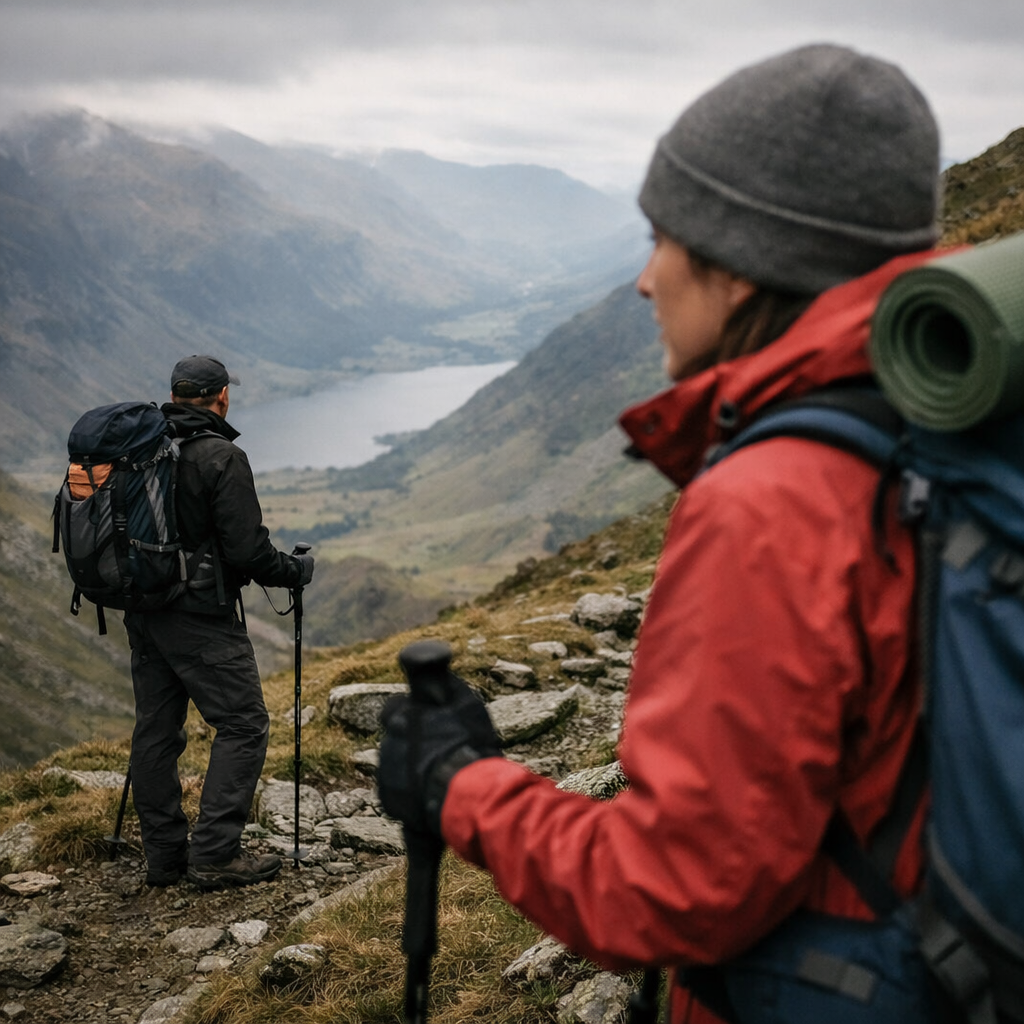
Why Hillwalking And Mountaineering Are Worth Adding To Your Routine
Hillwalking and mountaineering combine movement, nature exposure, and mental challenge in a way few other activities can. Whether you’re taking on steady inclines in local hills or planning a full mountain ascent, these outdoor pursuits can support overall wellbeing while keeping exercise enjoyable and goal-oriented. The benefits are wide-ranging—improving cardiovascular fitness, strengthening muscles, helping manage stress, and even sharpening focus and resilience.
Unlike repetitive indoor workouts, hillwalking and mountaineering naturally vary in intensity depending on terrain, elevation gain, and conditions. That variety can make it easier to stay consistent, because every route feels slightly different. Over time, regular climbs can build endurance and confidence, encouraging you to set bigger goals and explore new landscapes.
Improved Cardiovascular Health And Stamina
One of the most well-known benefits of hillwalking and mountaineering is the positive impact on heart health. Sustained uphill movement raises your heart rate and promotes healthier circulation, which supports cardiovascular endurance. As you progress from gentle trails to steeper climbs, you challenge your body to adapt by becoming more efficient at delivering oxygen to working muscles.
This type of steady-state effort can be especially helpful for people who find running hard on their joints, since walking on variable terrain can be lower-impact while still delivering a strong aerobic workout. With consistency, you may notice day-to-day improvements too—such as feeling less breathless on stairs, having more energy, and recovering faster after physical effort.
Stronger Muscles, Bones, And Functional Fitness
Hillwalking and mountaineering engage major muscle groups, particularly in the lower body. Quads, hamstrings, calves, and glutes work continuously during ascents, while descents train control and stability. At the same time, core muscles contribute to balance, posture, and efficient movement—especially when you’re carrying a backpack or navigating uneven ground.
Because you’re working against gravity and dealing with shifting surfaces, outdoor climbing can improve functional fitness—strength you can actually use in daily life. Additionally, weight-bearing activity supports bone health and may help maintain bone density over time. For many people, that combination of strength, stability, and endurance makes hillwalking an ideal long-term fitness habit.
Supportive For Weight Management And Metabolic Health
Regular hillwalking can burn a meaningful amount of calories, especially when elevation gain is significant or sessions are longer. Mountaineering typically demands even more energy due to extended duration, load-bearing, and challenging terrain. While calorie burn varies by body size, pack weight, speed, and route difficulty, the key advantage is sustainability: people are more likely to keep doing an activity they genuinely enjoy.
Beyond calories, consistent hiking-style activity may support metabolic health by improving insulin sensitivity and encouraging healthier body composition. Paired with a balanced diet and recovery, hillwalking and mountaineering can contribute to steady, manageable progress for those aiming to maintain or improve weight-related health markers.
Better Balance, Coordination, And Joint Stability
Natural trails require constant small adjustments. Stepping over rocks, crossing streams, and walking on uneven surfaces challenges proprioception—your body’s ability to sense position and movement. Over time, this can enhance balance and coordination, potentially reducing the risk of falls and improving joint stability.
Downhill sections are particularly valuable because they train eccentric control (the muscle-lengthening phase under load). This can strengthen connective tissues around knees and ankles when approached progressively. As with any activity, good footwear, thoughtful pacing, and gradually increasing difficulty can help reduce injury risk while building capability.
Mental Health Benefits: Stress Relief And Mood Support
Time outdoors is widely associated with reduced stress and improved mood. Hillwalking and mountaineering often combine physical exertion with scenic environments, fresh air, and a sense of escape from screens and daily pressures. This can help calm the nervous system and support more balanced mental wellbeing.
Many hikers also value the mindful aspect of moving through nature. Paying attention to foot placement, breathing, weather shifts, and the rhythm of the trail naturally brings you into the present moment. That mental reset can be especially beneficial for people dealing with busy schedules, persistent worry, or mental fatigue.
Boosted Confidence, Resilience, And Goal Setting
There’s a unique satisfaction in reaching a summit, completing a challenging route, or simply walking farther than you did last month. Hillwalking and mountaineering encourage incremental progress—building confidence through small wins. Over time, you may find that skills developed on the trail translate into daily life: patience, planning, persistence, and the ability to stay calm when conditions change.
Mountaineering adds another layer of resilience because it often requires preparation, early starts, and adapting to weather and terrain. Successfully navigating these variables can reinforce self-trust and mental toughness, which can be empowering both personally and professionally.
Social Connection And Community
Hillwalking can be a solo sanctuary, but it’s also a powerful social activity. Joining group hikes, walking clubs, or mountaineering meetups can build strong connections through shared experiences. The natural pace of walking makes conversation easier than many high-intensity sports, and the shared goal of reaching a viewpoint or summit can bring people together quickly.
For families and friends, it’s also a flexible activity: routes can be tailored by distance, elevation, and difficulty, making it easier to include different fitness levels. That inclusivity can be one reason people stick with it long-term.
Practical Tips To Get Started Safely
If you’re new to hillwalking or moving toward mountaineering, start with routes that match your current fitness and build gradually. Choose supportive footwear, pack water and weather-appropriate layers, and check the forecast before you go. Learning basic navigation and carrying essentials—like a map, charged phone, and a small first-aid kit—can add peace of mind.
As you progress, consider adding simple strength work (like squats, step-ups, and core exercises) to support knees and hips, and practice fueling with snacks on longer walks. Most importantly, focus on consistency and enjoyment. A moderate hike done regularly often delivers better long-term results than occasional extreme efforts.
The Long-Term Value Of Time On The Trail
Hillwalking and mountaineering offer a rare mix of fitness, adventure, and restoration. They strengthen the heart and muscles, support healthy weight management, improve balance, and provide meaningful mental health benefits. Perhaps most importantly, they reconnect you with the outdoors—encouraging curiosity, presence, and a sense of achievement that lasts long after you’ve taken off your boots.
They can explore the full article by going to the following link: https://bodyhealthadvisor.com/benefits-of-hiking-and-mountaineering/