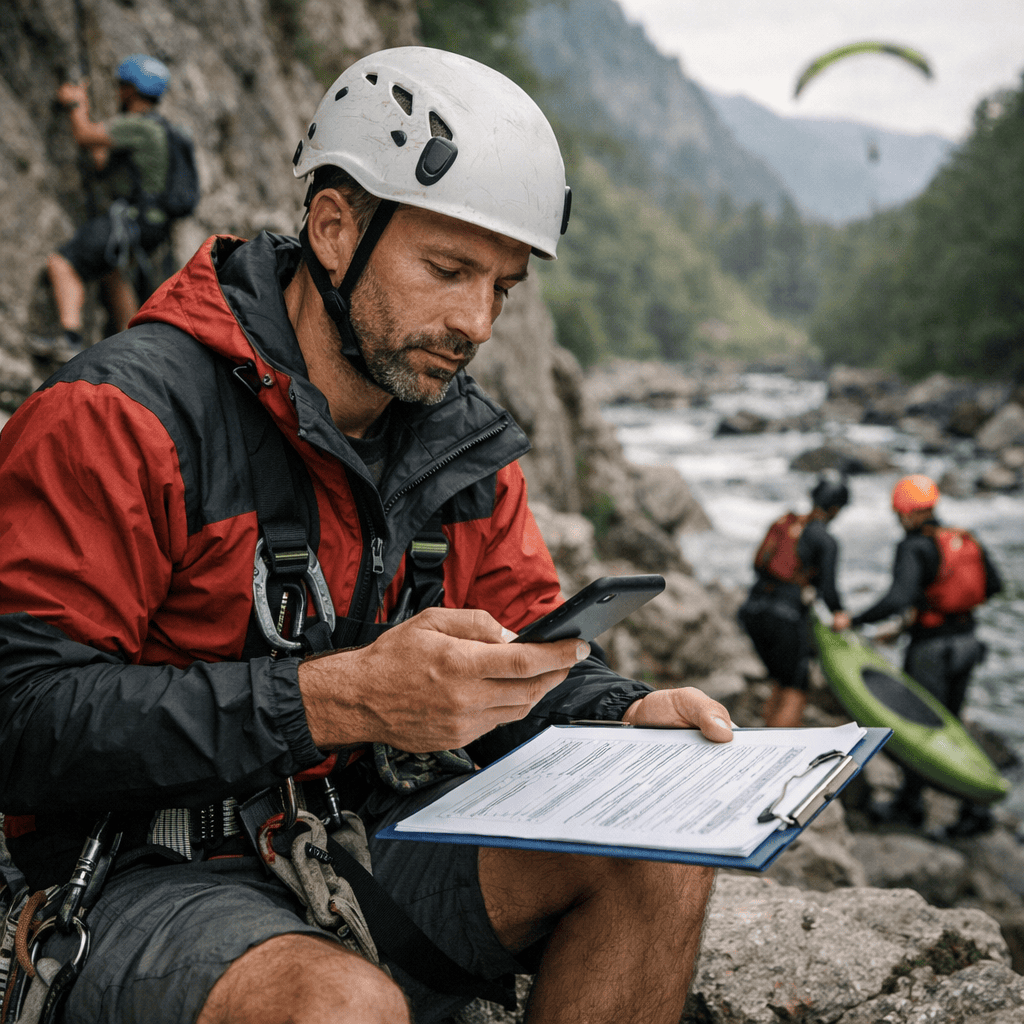
Why Extreme Sports Instructor Insurance Matters More Than Ever
Working as an extreme sports instructor is as rewarding as it is demanding. Whether you teach rock climbing, whitewater rafting, paragliding, kitesurfing, snowboarding, motocross, or another high-adrenaline discipline, your role carries a unique mix of professional responsibility and elevated risk. With clients relying on your expertise in unpredictable environments, a single incident can trigger medical costs, equipment damage claims, or legal action—sometimes all at once. That’s why extreme sports instructor insurance is not just a “nice-to-have”; it is a practical safeguard for your career, your finances, and your reputation.
Unlike standard fitness or coaching policies, insurance for extreme sports professionals is designed with higher-hazard activities in mind. It can help cover accidents that occur during lessons, alleged negligence claims, injuries to participants, and even certain property-related losses. The right insurance plan can make the difference between a manageable setback and a major financial crisis.
What Makes Extreme Sports Instruction So High Risk?
Extreme sports have built-in variables that instructors cannot fully control. Changing weather, rough terrain, water conditions, mechanical malfunction, participant inexperience, and split-second decisions can all influence outcomes. Even if you follow best practices and emphasize safety, accidents still happen. Clients can slip on wet rock, mishandle a board, panic mid-activity, or misjudge timing—even after a thorough briefing.
From a liability standpoint, the important detail is this: a waiver does not always eliminate your exposure. Waivers can help, but they are not a substitute for insurance. If a participant believes the instructor failed to provide proper instruction, maintained unsafe equipment, or selected an inappropriate location or conditions, they may pursue compensation. Insurance helps address the legal defense costs as well as covered settlements or judgments.
Core Coverage Types For Extreme Sports Instructor Insurance
Policies and insurers differ, but extreme sports instructor insurance commonly revolves around a few key categories of protection. Understanding these core components helps you evaluate a plan that matches your services and risk profile.
General Liability Insurance is often the foundation. It can help protect you if a client or third party claims bodily injury or property damage caused by your instruction or business operations. For example, if a student is injured during a guided climbing session and alleges inadequate supervision, general liability can help with legal costs and covered damages.
Professional Liability (Errors and Omissions) may be crucial for instructors who provide structured coaching, assessment, or technical guidance. This coverage generally addresses claims tied to professional advice or instruction—such as allegations that you taught improper technique or failed to communicate safety procedures.
Accident Medical Coverage can be valuable in client-facing adventure sports. Even when you are not legally liable, participants may require immediate medical attention. Depending on the policy, accident medical coverage can help with medical expenses and reduce friction after an incident, supporting smoother resolution.
Equipment Coverage may help protect costly gear such as boards, harnesses, helmets, ropes, safety devices, radios, and other specialized equipment. While general liability deals with third-party claims, equipment-related protection focuses on your property—subject to the terms, limits, and deductibles you choose.
Who Should Carry This Insurance?
Extreme sports instructor insurance is relevant for a wide range of professionals, including independent instructors, coaches working on a contract basis, seasonal guides, and those running their own instruction businesses. It can be beneficial whether you operate solo, partner with adventure tour operators, or teach through a training school.
If you work with minors, lead group sessions, travel across states or countries, or instruct in remote areas, your insurance needs may increase. The more participants you teach—and the more frequently you teach—the greater your potential exposure. Even experienced instructors with spotless safety records benefit from coverage, because claims can arise from allegations rather than proven fault.
Common Scenarios Where Coverage Can Help
Insurance is easiest to appreciate when you picture real-world scenarios instructors face. Consider a participant who twists a knee during a downhill session and claims the trail or route was beyond their ability level. Or a client who suffers a laceration from damaged equipment and alleges it was not properly inspected. Another common issue is collateral property damage: a student could knock over expensive personal equipment, damage a rental item, or unintentionally harm venue property.
In these situations, legal defense alone can be expensive, regardless of the outcome. A suitable extreme sports instructor insurance policy can help cover defense costs, which is one of the biggest reasons professionals carry liability protection.
How To Choose The Right Policy And Limits
Choosing a policy is not just about picking the cheapest premium. The best approach is matching your coverage to your activities. Start by listing the sports you teach, the environments you use (indoor facilities, open water, mountains, parks), the participant demographics you work with, and whether you provide equipment. Many insurers evaluate risk based on these factors, and policies may include endorsements or exclusions depending on the discipline.
Pay close attention to coverage limits, deductibles, and whether the plan is occurrence-based or claims-made. Occurrence-based coverage typically applies to incidents that happen during the policy period, even if a claim comes later. Claims-made coverage is often tied to when the claim is filed, which may require continuous coverage to avoid gaps. It is also wise to check whether the policy supports additional insured certificates, which some venues and partners require before allowing instruction on-site.
Risk Management: Insurance Works Best With Smart Procedures
Insurance is a safety net, not a replacement for strong operational practices. Instructors can reduce incidents and strengthen their defense position by documenting safety briefings, maintaining equipment inspection logs, using clearly written participant forms, and keeping certifications current. Setting and enforcing minimum skill prerequisites, monitoring conditions, and establishing “no-go” thresholds for weather or environmental changes all help reduce preventable issues.
Consistent procedures not only protect participants; they can also help streamline claims if something goes wrong. Clear documentation can demonstrate that you followed accepted safety standards and communicated risks appropriately.
Final Thoughts For Instructors And Adventure Professionals
Extreme sports instructor insurance is a practical step for anyone teaching high-risk activities. It can help protect against liability claims, support legal defense, and provide financial stability in a field where uncertainty is part of the job. The right policy will reflect your specific sport, your operating environment, and the level of exposure you face each season. By combining appropriate coverage with responsible instruction and sound risk management, you can focus more on coaching and less on worst-case scenarios.
You can explore the full article by going to the following link: https://sportnewsinfo.com/extreme-sports-instructor-insurance/