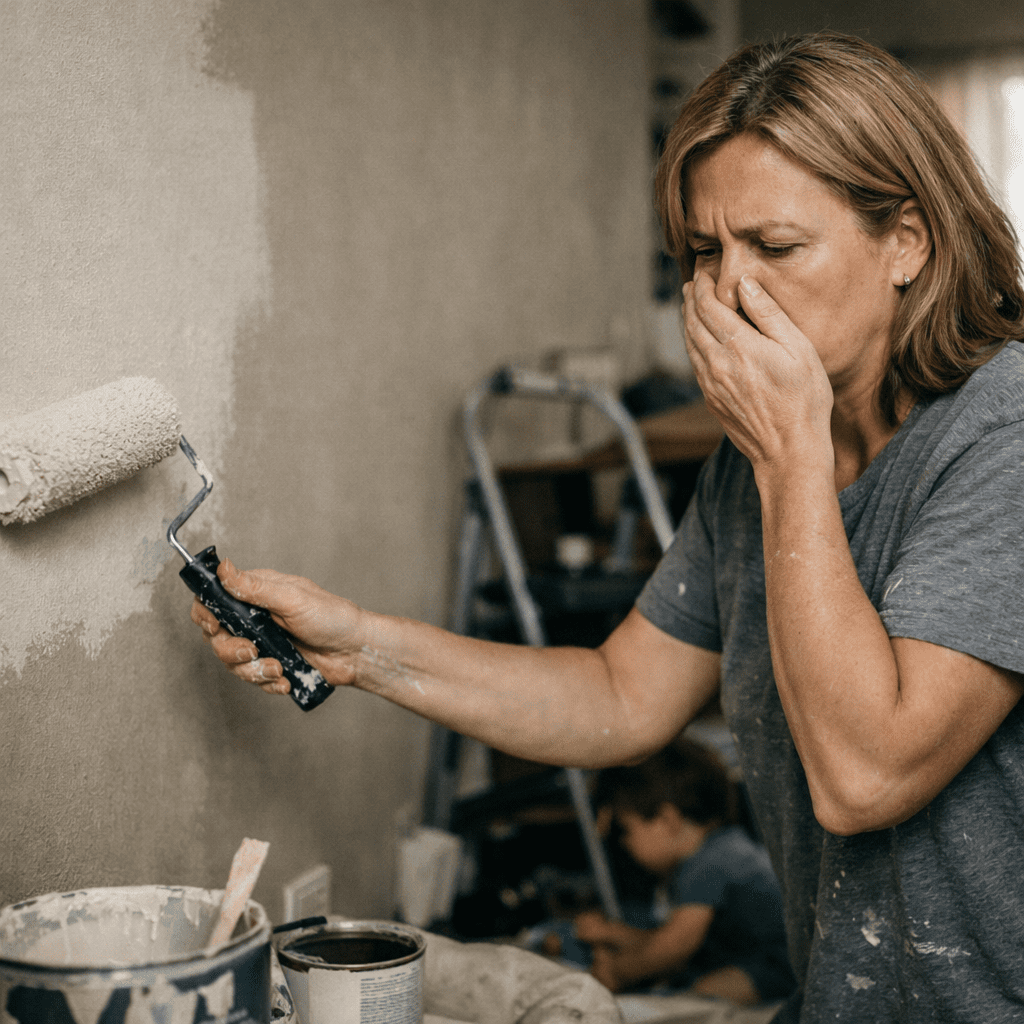
Wall paint is often treated as a simple finishing touch, but what you put on your walls can affect indoor air quality for days, weeks, or even months after decorating. Many homeowners now search for “low-VOC” or “VOC-free” wall paints assuming they are automatically safer. However, the reality is more complicated. VOC labels can be misleading, “eco” marketing isn’t always backed by meaningful transparency, and a paint that looks responsible on the tin can still contribute to indoor pollutants. Understanding what VOC wall paints are, how they behave once applied, and why you may want to avoid them is key to making a healthier, better-informed decorating choice.
What VOCs Are And Why They Matter Indoors
VOC stands for Volatile Organic Compounds—carbon-based chemicals that evaporate easily at room temperature. In decorating, VOCs can be found in many products, including wall paints, primers, varnishes, adhesives, sealants, and some cleaning solutions. When VOCs vaporize, they become part of the air you breathe. This is especially important indoors, where ventilation may be limited and exposure can be prolonged.
VOCs are not a single substance; they’re a category that includes many different chemicals with different risk profiles. That matters because two paints can both claim “low VOC” while containing different mixtures that behave differently during application and drying. The takeaway for homeowners is simple: VOCs are about air emissions and exposure, not just smell, and indoor spaces tend to trap these emissions.
Why “Low-VOC” Labels Can Be Misleading
One of the biggest pitfalls when shopping for wall paint is assuming the label tells the whole story. “Low-VOC” typically refers to VOC content measured in grams per liter, but that number doesn’t always capture what you actually inhale during and after painting. Some regulations and standards focus on specific VOCs, while other volatile ingredients can still be present but not reflected in the headline claim.
Another common issue is the difference between “VOC-free” and “zero VOC.” Depending on the jurisdiction and testing method, “zero” can still allow small amounts. In addition, tinting a paint (adding colorants at the store) can increase VOC content, meaning the base paint may meet a target standard while the final tinted product does not. For anyone trying to reduce chemical exposure, this gap between marketing language and real-world use is a strong reason to be cautious.
The Hidden Problem: Emissions And Off-Gassing After Painting
Even when a room stops smelling of paint, that doesn’t necessarily mean emissions have stopped. Off-gassing can continue as paint cures, and curing can take longer than most people realize. Factors such as humidity, temperature, airflow, paint thickness, and the surface being coated all influence how long volatile compounds may be released.
This is why focusing only on the initial “paint smell” is not an accurate measure of what’s in your indoor air. Some people notice immediate irritation—headaches, watery eyes, coughing, or a tight chest—while others may not feel anything obvious yet still prefer to minimize unnecessary exposure. If your home includes children, elderly residents, pets, or anyone with allergies, asthma, or chemical sensitivities, it becomes even more important to take emission behavior seriously rather than relying on a label alone.
Why Avoiding VOC Wall Paints Makes Sense For Many Homes
Avoiding VOC wall paints is not just about preference—it can be a practical decision for improving comfort and indoor air quality. Freshly painted rooms can trap volatile compounds, especially in modern homes that are built or renovated for energy efficiency and therefore have reduced natural ventilation. Bedrooms, nurseries, and home offices are spaces where people spend long, uninterrupted periods, making any lingering emissions more relevant.
In addition, repainting is a repeated activity across the life of a home. Even if the risk from one project feels small, many homeowners prefer to reduce cumulative exposure wherever possible. Choosing paints and decorating practices that minimize volatile emissions can be part of a broader approach to a healthier indoor environment.
What To Look For Instead Of Standard VOC Claims
If you want a safer decorating choice, it helps to look beyond generic “low-VOC” wording. Seek out manufacturers that provide clear technical data sheets, disclose ingredients where possible, and reference independent certifications. Third-party programs can help because they typically test emissions rather than relying only on the VOC content calculation. Also consider how the paint performs in real life: coverage, durability, washability, and curing behavior matter too, because frequent repainting or touch-ups can increase overall exposure.
You can also reduce risk through process. Ventilate aggressively during and after painting, use fans to exhaust air to the outside when possible, and avoid sleeping in freshly painted rooms until the paint is well cured. Keep lids closed when not actively using paint, and store leftover tins safely away from living areas.
Practical Decorating Tips To Reduce Indoor Air Pollution
If avoiding VOC wall paints is a priority, plan the project with indoor air quality in mind. Start by choosing the least emissive products available in your region, then support that choice with smart application habits. Paint during periods when you can keep windows open. If outdoor conditions make ventilation difficult, consider using mechanical ventilation or air purifiers with activated carbon designed to help reduce odors and volatile compounds.
Also pay attention to what else is in the room. New carpets, flat-pack furniture, flooring adhesives, and cleaning products can add to the total “chemical load” in indoor air. Painting on top of that can intensify discomfort for sensitive individuals. Staggering projects—painting first, then bringing in new furniture later, for example—can make a noticeable difference.
The Bottom Line: Be Wary Of Marketing And Prioritize Transparency
The main lesson for homeowners is that VOC wall paints are not a straightforward “good vs. bad” category. VOC numbers, “eco” labels, and bold claims on the front of a tin can hide nuances that matter—such as tinting effects, the types of volatile ingredients present, and how long emissions may continue after the walls feel dry. Avoiding VOC wall paints, or at least approaching them with skepticism and a demand for transparency, is a sensible step for anyone trying to create a healthier home.
If you want to dive deeper into the details and context behind these concerns, you can explore the full article here: https://betterdecoratingbible.com/2021/06/30/the-truth-about-voc-wall-paints-and-why-you-should-avoid-them/