Why “Green” Products Aren’t Always As Eco-Friendly As They Look
Eco-conscious shopping has become mainstream, and that’s a positive shift. However, many products marketed as “green,” “eco,” “natural,” or “non-toxic” can still have hidden environmental or health trade-offs. The article on Eat Happy Project explores this issue through a practical lens: the gap between sustainability claims and what’s actually inside a product, how it’s made, and how it affects indoor air quality and long-term exposure.
In a world of glossy labels and feel-good buzzwords, it’s easy to assume a product is environmentally responsible simply because it looks the part. But the truth is that sustainability isn’t a single feature—it’s a full lifecycle story. From raw materials and manufacturing to packaging, transportation, and disposal, all of it matters. This is especially important when we’re bringing products into our homes, where we spend most of our time and where invisible pollutants can linger for years.
The Heat Behind The Hype: How Greenwashing Shows Up
One of the biggest problems in the eco-products space is greenwashing—marketing that suggests a product is safer or more sustainable than it truly is. This can appear as vague claims (“earth-friendly”), nature imagery, or selective disclosures that highlight one good attribute while ignoring major downsides. For consumers, it creates confusion and false reassurance.
To shop smarter, it helps to look beyond the front label. Certifications, ingredient transparency, and independent testing carry more weight than branding. If a company can’t clearly explain what’s in a product, why it’s there, and how it impacts human health and the environment, that’s a signal to slow down and research further.
The Truth About VOC Paint
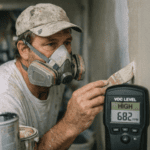
Paint is a classic example of a product that can be presented as “green” while still compromising indoor air quality. Many homeowners choose “low-VOC” or “zero-VOC” paint believing it eliminates harmful emissions. While these options can be an improvement over conventional paint, the reality is more nuanced.
VOCs (volatile organic compounds) are chemicals that evaporate into the air at room temperature. Some VOCs contribute to smog outdoors, and indoors they can affect air quality—particularly in freshly painted spaces with limited ventilation. Even when a paint is marketed as low or zero VOC, it may still contain other ingredients that release fumes, trigger sensitivities, or cause irritation. In addition, VOC measurements may focus on the base paint, not the added colorants (tints) that can change the formula.
The key takeaway is not that all low-VOC paints are “bad,” but that the label alone isn’t a guarantee. A truly informed choice considers full ingredient disclosure, third-party certifications, and practical steps like ventilating thoroughly, allowing adequate cure time, and selecting products designed for healthier indoor environments.
Natural Fragrance: A Hidden Source Of Indoor Pollution
Another category that often looks cleaner than it is: fragrance. Products like candles, air fresheners, “natural” cleaners, and personal care items may rely on scent to feel fresh and safe. But fragrance—whether synthetic or plant-derived—can introduce a complex mix of volatile chemicals into your home.
Even “essential oil” based scents can be problematic for people with asthma, migraines, chemical sensitivities, or allergies. The challenge is that “fragrance” is frequently treated as a trade secret, meaning brands don’t always disclose the full list of scent ingredients. This makes it difficult to assess exposure risks.
If your goal is a healthier home, reducing scented products is often more impactful than swapping one fragrance brand for another. Unscented options, better ventilation, and source control (removing odor causes rather than masking them) can be a more reliably “green” approach.
Cleaning Products That Claim Safety Without Full Transparency
Cleaning products are another area where eco-marketing can outpace reality. “Plant-based” and “non-toxic” claims can sound reassuring, but they don’t automatically mean a formula is harmless or environmentally gentle. Some plant-derived surfactants are still irritants, and some preservatives and solvents—needed to keep products stable and effective—can carry their own concerns.
What matters most is ingredient specificity and credible standards. Look for brands that provide full ingredient lists (not just “active ingredients”), explain function, and back up claims with recognized certifications. In addition, consider that “stronger” isn’t always “better.” Using the right product concentration, limiting disinfectant use to when it’s truly needed, and improving everyday habits (like microfiber cloths and plain soap and water) can reduce chemical load while keeping your home clean.
Packaging And Convenience: The Sustainability Trade-Off
Some products appear green because the formula is cleaner, yet their packaging tells a different story. Single-use plastics, multi-layer materials that are difficult to recycle, excess shipping fillers, and individually wrapped components may undercut the environmental benefits of what’s inside.
A more complete approach to sustainable shopping considers packaging volume and end-of-life reality. Can it be reused? Is it widely recyclable in most local systems? Is there a refill option? Concentrated products and refillable containers often reduce waste significantly, even if they don’t look as “pretty” on the shelf.
What To Look For Instead: Practical Ways To Shop Smarter
If you want to avoid products that are “not as green as they seem,” focus on evidence over aesthetics. Look for transparent ingredient disclosures, credible third-party certifications, and detailed explanations of sourcing and manufacturing. Consider indoor air quality impacts, especially for products that off-gas (paint, furniture, flooring, adhesives, and fragranced items).
It also helps to prioritize reduction over replacement. Using fewer products overall, choosing multi-purpose basics, and improving ventilation can often outperform constant swapping to the newest “eco” alternative. When you do buy, choose companies that show their work—clear ingredients, clear standards, and clear accountability.
The Bottom Line: Eco-Friendly Is A Lifecycle Claim, Not A Label
True sustainability requires looking at the whole picture: ingredients, emissions, durability, waste, and long-term exposure. The Eat Happy Project article is a helpful reminder that a green label can be a starting point—but it shouldn’t be the finish line. Whether it’s VOC paint, fragranced home products, or “natural” cleaners, the most eco-friendly choice is the one backed by transparency, verified standards, and realistic, low-impact use.
You can explore the full article here: https://www.eathappyproject.com/products-that-are-not-as-green-as-they-seem/