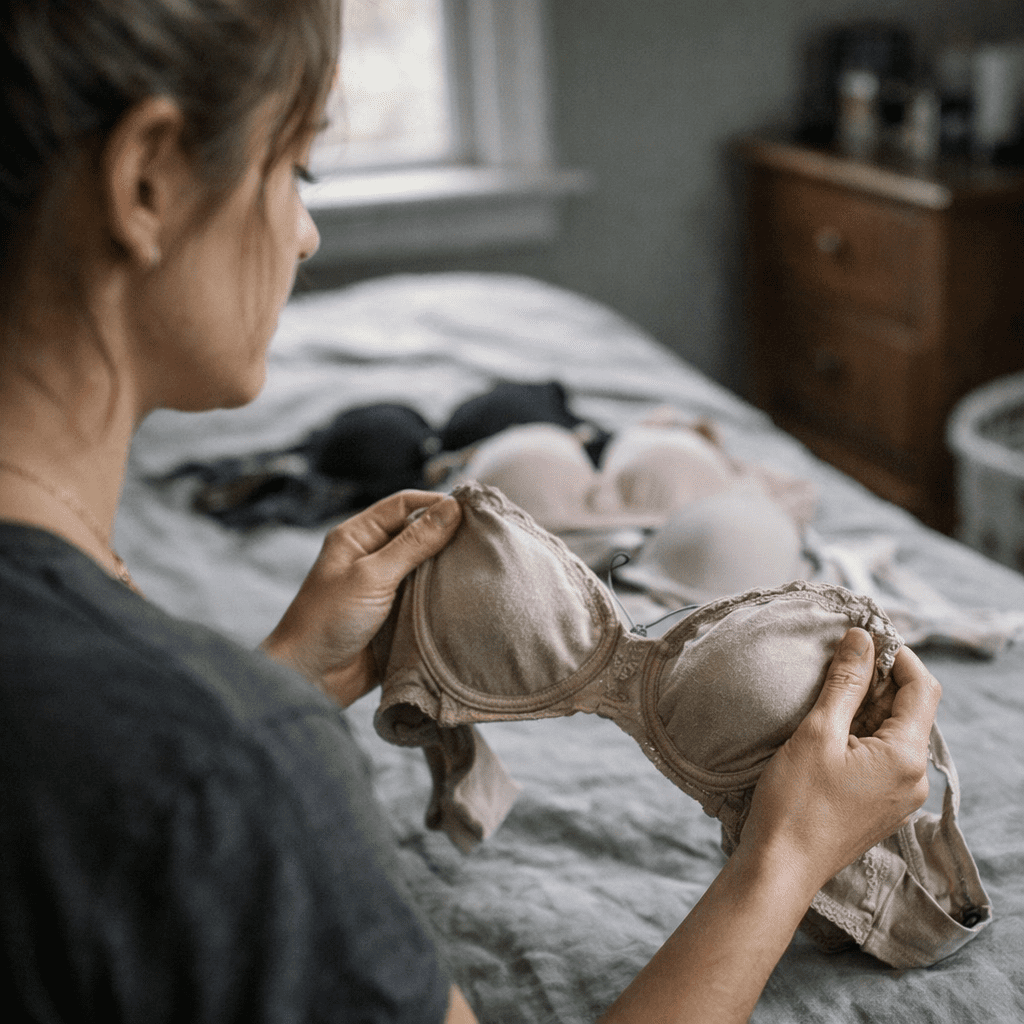
Understanding How Long A Bra Should Last
Bras are one of the most worn—and most overlooked—items in any wardrobe. If you’ve ever wondered, “How long should my bra last?” the answer depends on how often you wear it, how you wash and store it, and the quality of construction. Over time, elastic breaks down, straps stretch, bands lose tension, and underwires can warp. The result is a bra that may still look fine in the drawer but no longer supports you correctly. Knowing the typical bra lifespan and the signs of wear helps you stay comfortable, supported, and confident while also making smarter buying decisions.
Typical Bra Lifespan: What Most People Can Expect
In general, a well-made bra will last around 6 to 12 months with regular wear. If a bra is in heavy rotation—worn multiple times a week—it will wear out faster. On the other hand, if you rotate through several bras and take gentle care of them, each one can remain supportive for longer. The key factor is elasticity: once the band and straps lose their “snap,” the bra can’t do its job properly. Even premium bras won’t last indefinitely because elastic fibers naturally degrade with friction, heat, sweat, and repeated stretching.
How Wear Frequency And Rotation Affect Longevity
How often you wear a bra matters as much as how you wash it. Wearing the same bra day after day doesn’t allow the elastic to recover its shape. A simple way to extend bra life is to build a small rotation. If you alternate between two to four everyday bras, each one gets time to rest between wears, helping the elastic rebound and reducing overall strain. This rotation strategy is especially important for supportive everyday styles and bras with underwire, where consistent tension and structure are essential for good fit.
Signs Your Bra Needs Replacing
Sometimes the calendar isn’t as helpful as your body. A bra can reach the end of its life before the “expected” timeframe if it’s been washed harshly or worn constantly. Clear signs include a band that rides up your back, straps that keep slipping even when tightened, cups that gape or collapse, and underwires that poke or twist. If you find yourself tightening the straps more and more just to maintain lift, that’s a strong indicator the band has lost its strength. Since the band provides most of the support, a stretched-out band is often the deciding factor for replacement.
Why Proper Fit Matters As Much As The Bra’s Age
A bra can feel “worn out” when the real issue is that it no longer matches your current size or shape. Weight changes, hormonal shifts, pregnancy, breastfeeding, and natural body changes over time can all affect fit. If your cups spill, your gore no longer lies flat, or you experience discomfort even in a relatively new bra, it may be time to remeasure. A correctly fitting bra should feel secure on the loosest hook when new, allowing you to move to tighter hooks over time as the band relaxes. If you must start on the tightest hooks immediately, the bra may not last long or may not be the right size.
What Causes Bras To Wear Out Faster
Several everyday habits shorten a bra’s lifespan. Frequent machine washing, using hot water, harsh detergents, and tumble drying are major culprits because heat and agitation break down elastic fibers. Wearing a bra for intense activity without choosing a true sports bra can also strain the fabric and seams. Body oils, sweat, lotions, and deodorants can degrade materials over time too. Even over-tightening straps to compensate for a loose band puts extra pressure on hardware and elastic, leading to faster breakdown and reduced comfort.
How To Wash Bras To Make Them Last Longer
To maximize bra longevity, gentle washing is essential. Hand washing in cool or lukewarm water with a mild detergent is often the best approach. If you must use a washing machine, place bras in a mesh lingerie bag, fasten the hooks to prevent snagging, and use a delicate cycle with cold water. Avoid fabric softeners, which can coat fibers and weaken elastic over time. Most importantly, skip the dryer—heat is one of the quickest ways to destroy elasticity. Instead, reshape the cups and lay the bra flat to air dry, keeping it away from direct sunlight or radiators.
Smart Storage Practices That Preserve Shape
Storage also affects how long a bra lasts, especially molded-cup bras. Folding molded cups inside out or crushing them in a crowded drawer can cause dents and permanent creases. If space allows, store bras flat with cups nested into each other. For unlined bras, avoid twisting straps around the bra tightly, which can stretch elastic. A little extra care when storing helps maintain cup shape and prevents wires from bending, which can quickly turn a comfortable bra into an irritating one.
How Many Bras Should You Own?
The ideal number depends on lifestyle, but most people benefit from having at least three to five bras in regular rotation: a couple of everyday bras, one or two alternatives for different necklines or outfits, and at least one sports bra if you’re active. Rotating bras not only extends each one’s working life but also ensures you’re not stuck wearing a worn-out bra simply because you don’t have a backup. If you wear bras daily, having enough to rotate comfortably between laundry days can be a game changer for both fit and durability.
When It’s Worth Investing In Better Quality
Quality materials and construction can make a noticeable difference in how long a bra lasts. Stronger elastics, better stitching, supportive fabrics, and durable hardware help bras hold their shape longer. That said, even a high-end bra needs proper care. Think of it as a support garment with moving parts: the band, straps, and elastic are under tension every time you wear it. Investing in fewer, better bras—and maintaining them well—often delivers more comfort and value than buying many low-quality options that lose support quickly.
Making Your Bras Last: A Practical Checklist
If you want your bras to stay supportive for as long as possible, focus on the basics: rotate between multiple bras, wash gently in cool water, avoid the dryer, store bras in a way that protects cup shape, and check your fit periodically. Pay attention to early signs of wear, especially in the band. A bra that no longer supports you can affect posture and comfort throughout the day, so replacing it at the right time is as much about well-being as it is about style.
You can explore the full article by going to this link: https://sauvewomen.com/how-long-should-my-bra-last/