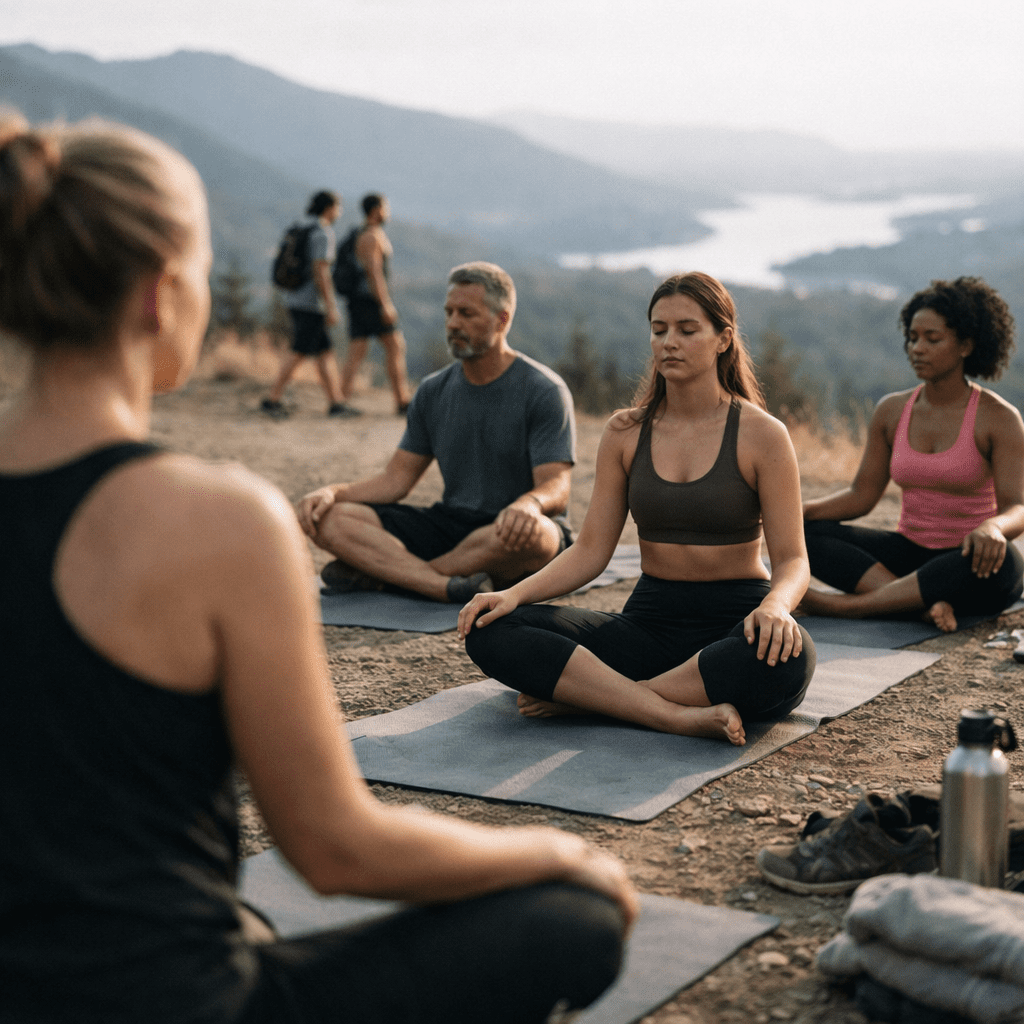
How Can Fitness Retreats Improve Mental Wellbeing
Fitness retreats have evolved far beyond a simple “workout holiday.” They are immersive wellness experiences designed to improve both mental wellbeing and physical health through structured movement, restorative practices, nourishing food, and time away from everyday stressors. For many people, modern life creates a cycle of sitting too much, sleeping poorly, scrolling endlessly, and feeling mentally overloaded. A well-designed fitness retreat breaks that cycle by combining expert guidance with an environment that makes healthy choices easier and more enjoyable.
Unlike trying to self-motivate at home, retreats offer a focused reset. You wake up with a plan, follow a supportive schedule, and engage in activities that build strength, improve endurance, calm the mind, and reinforce positive habits. Whether you are looking to manage stress, boost your mood, rebuild fitness confidence, or simply recharge, fitness retreats can provide an impactful, holistic approach.
A Structured Escape That Lowers Stress
One of the most immediate mental benefits of a fitness retreat is distance from routines that contribute to stress. Deadlines, commuting, family responsibilities, and constant notifications keep the nervous system on high alert. Retreats deliberately remove many of these stress triggers and replace them with structure: movement sessions, downtime, balanced meals, sleep-friendly schedules, and calming experiences like nature walks or breathwork.
This structure can help regulate cortisol (the body’s primary stress hormone) and support better emotional balance. Removing decision fatigue—like figuring out what to eat, when to exercise, or how to start—also reduces mental load. When your day is curated around wellbeing, your mind can finally exhale.
Exercise That Boosts Mood And Mental Resilience
Physical activity is strongly linked with improved mental health, and retreats typically include a mix of workouts that target different outcomes. You might do strength training for empowerment and body composition, cardio for stamina and heart health, yoga or Pilates for mobility and mind-body connection, and low-impact options like hiking to support consistency without burnout.
Movement encourages the release of endorphins and supports neurotransmitters such as serotonin and dopamine, which are associated with better mood and motivation. Over several days, many attendees notice improved emotional stability, reduced anxiety, and a renewed sense of control. Completing workouts in a supportive setting also builds self-efficacy—proof that you can do hard things—which often carries into everyday life long after the retreat ends.
Better Sleep Through Routine And Recovery
Sleep is foundational for mental wellbeing, yet it is often one of the first things disrupted by stress and busy schedules. Fitness retreats tend to improve sleep quality because they combine natural circadian cues (such as daylight and outdoor activity), consistent meal timing, and daily movement that encourages healthy fatigue.
In many retreats, screen time is reduced and evenings are calmer, improving sleep hygiene. Recovery practices—stretching, sauna, massage, meditation, or gentle yoga—further shift the body toward a parasympathetic “rest and digest” state. Better sleep supports memory, emotional regulation, and energy levels, making it easier to stay consistent with wellness goals.
Nutrition Support That Fuels Both Body And Mind
Food is not just fuel for workouts—it also influences mood, focus, and stress response. Many fitness retreats prioritize balanced nutrition, often centered on whole foods, adequate protein, fiber-rich carbohydrates, healthy fats, and hydration. Some programs offer nutrition workshops or guidance that helps guests build sustainable habits rather than follow extreme rules.
Eating regularly and nutritiously supports stable blood sugar, which can reduce irritability and cravings. Proper hydration and micronutrient intake can improve energy and reduce fatigue. When meals are thoughtfully planned, participants can experience how nourishing food feels—without the chaos of meal planning, grocery shopping, and temptation triggers at home.
Mindfulness Practices That Calm The Nervous System
Fitness retreats often include mental wellness components such as meditation, breathwork, sound baths, journaling, or guided relaxation. These practices are not “extras”—they are key to helping people manage stress and build resilience. Mindfulness teaches you to observe thoughts without being consumed by them, improving emotional regulation and mental clarity.
Breathing exercises can reduce physiological stress by lowering heart rate and activating the vagus nerve, which helps the body shift out of fight-or-flight. Even a short daily mindfulness routine at a retreat can help participants experience calm in a tangible way, making it easier to continue those practices at home.
Community, Connection, And Motivation
Loneliness and isolation can worsen mental health, while social connection can be deeply healing. Retreats provide community in a natural, low-pressure way. You train together, share meals, and celebrate wins—big or small. Many attendees feel encouraged by being around people who are working toward similar goals, regardless of fitness level.
This environment can also reduce self-judgment. When you see others showing up imperfectly yet consistently, it becomes easier to treat yourself with compassion. Motivation grows when you feel supported, and the sense of belonging can be just as transformative as the workouts themselves.
Physical Health Gains That Extend Beyond The Retreat
On the physical side, fitness retreats can improve cardiovascular health, strength, flexibility, mobility, and posture. They often include expert coaching, which helps participants learn proper technique and reduce injury risk. Many programs also educate guests on recovery, warm-ups, and sustainable programming, setting them up for long-term success.
Even short retreats can jumpstart progress by increasing weekly activity, restoring consistency, and helping guests rediscover what kind of movement they actually enjoy. Instead of forcing yourself into routines that don’t fit your lifestyle, you can explore different formats—boxing, dance fitness, hiking, functional training, or yoga—and find your best match.
Why A Change Of Environment Creates Lasting Habit Change
Behavior change is hard when you are surrounded by the same cues and pressures. Retreats work because they change the environment, making it easier to practice new habits without constant friction. A new setting disrupts old patterns and creates space for reflection. When you return home, you can replicate a few of the retreat’s anchors—morning movement, mindful meals, evening wind-down routines—so the benefits persist.
Many people also experience renewed identity after a retreat. You don’t just “try to be healthier”—you feel like someone who trains, someone who values recovery, someone who prioritizes mental wellbeing. That shift in self-perception is powerful and often leads to more consistent choices over time.
Choosing The Right Fitness Retreat For Your Needs
To get the best results, choose a retreat aligned with your goals and preferences. If stress reduction is a priority, look for programs that balance workouts with restorative sessions and downtime. If you want performance or body composition improvements, seek retreats with progressive training, qualified coaches, and recovery support. Consider the intensity level, accommodations, location (nature can enhance mental wellbeing), meal approach, and whether the retreat offers education that helps you maintain habits afterward.
Most importantly, choose an experience that feels sustainable and supportive rather than punishing. The best retreats help you feel stronger, calmer, and more capable—without relying on extremes.
You can explore the full article by going to the following link: https://womenfitnessmag.com/how-can-fitness-retreats-improve-mental-wellbeing-and-physical-health/