Extreme Sports For Families: Adventure, Bonding, And Safe Thrills
Families today are looking for more than the usual weekend routine. Many parents want meaningful ways to connect with their kids while encouraging confidence, fitness, and resilience. That’s where extreme sports for families come in. From outdoor adventures to adrenaline-fueled activities, these experiences can help families build unforgettable memories—while learning teamwork, trust, and safety skills together.
The idea isn’t to take unnecessary risks. The real goal is to choose age-appropriate, well-supervised activities that provide excitement and challenge without compromising safety. When planned correctly, family-friendly extreme sports can become a powerful way to grow stronger as a unit and spend quality time away from screens.
Why Families Are Choosing Extreme Sports Together
Extreme sports are often associated with solo athletes and high-risk stunts, but many of them are surprisingly adaptable for groups and families. The biggest benefit is shared experience. Doing something bold together—like rafting a river or climbing a rock wall—creates stories that last for years. It also encourages communication, because everyone has to cooperate, listen, and support each other.
There’s also a personal development angle. Children can develop courage, patience, and problem-solving skills when they try something challenging in a controlled environment. Parents, meanwhile, get a chance to model calm decision-making and smart risk awareness—an important life lesson that goes far beyond sports.
Key Safety Principles For Family-Friendly Adventure Sports
Before choosing any extreme sport, families should prioritize safety planning. Start by selecting activities that match the age, fitness level, and comfort zone of the youngest participant. Then focus on professional guidance. Certified instructors and reputable tour operators make a major difference, especially for activities involving heights, speed, or open water.
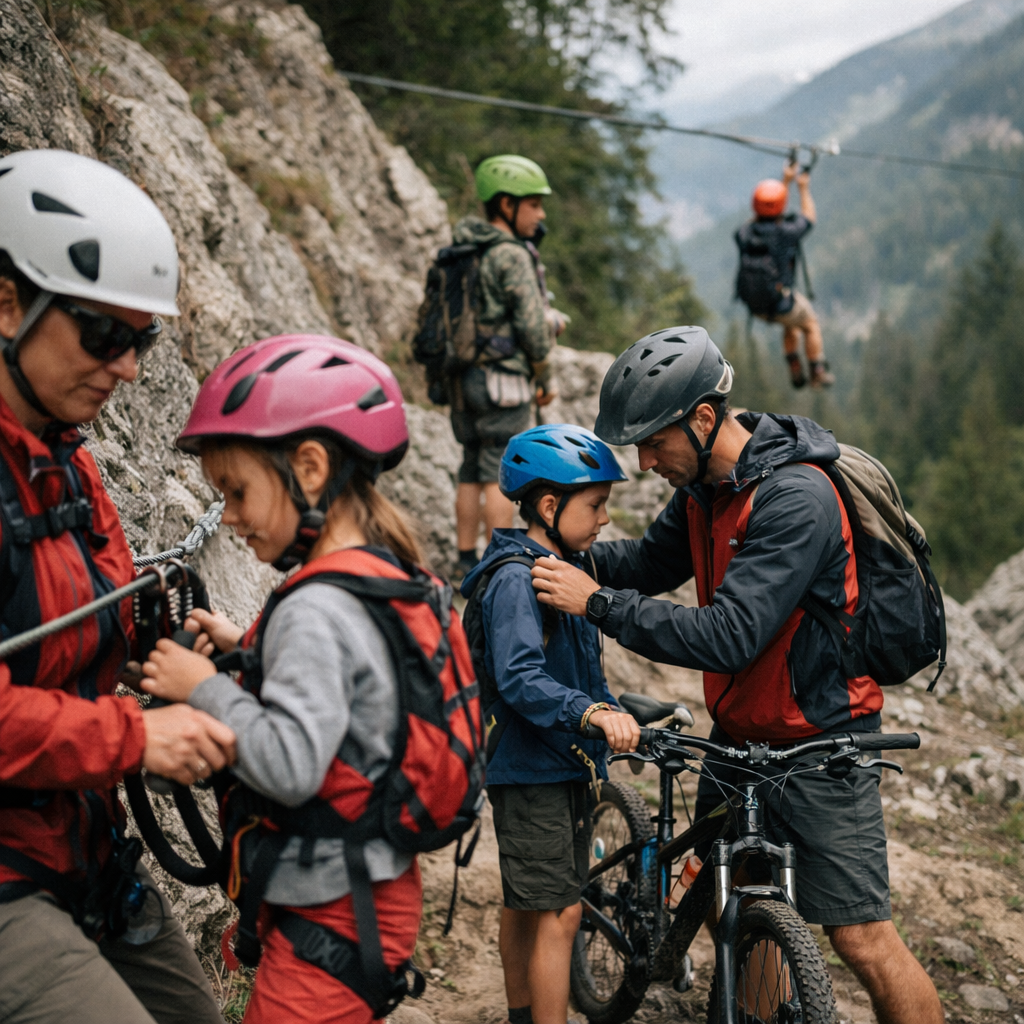
Protective gear is also non-negotiable. Helmets, life vests, harnesses, and proper shoes should be well-fitted and in good condition. Families should also review basic rules together before starting. When kids understand the “why” behind safety steps, they’re more likely to follow them confidently.
Finally, choose the right location and conditions. Weather, terrain, and water levels can quickly change the difficulty of an activity. Picking calmer routes, beginner trails, or family-rated excursions helps keep the experience fun, not frightening.
Top Extreme Sports For Families To Try
One of the best ways to explore extreme sports for families is to start with accessible adventures that still offer an adrenaline rush. Many activities have beginner versions designed specifically for first-timers. Below are popular options that can work well for parents and kids when supervised properly.
Rock climbing is a standout for families because it can be done indoors or outdoors. Indoor climbing gyms offer controlled environments, padded flooring, and trained staff. Kids can learn technique and confidence while parents participate alongside them. Outdoor climbing, when guided, adds the excitement of nature while maintaining safety through professional belaying systems.
White-water rafting can be a thrilling family outing, especially on rivers with beginner-friendly rapids. Many rafting companies offer family trips rated by difficulty, and guides provide helmets, life vests, and safety briefings. Rafting is excellent for teamwork—everyone paddles together, follows commands, and celebrates each successful rapid.
Zip-lining delivers that “flying” feeling while staying relatively straightforward. Most zip-line parks are designed with strong safety systems, including harness checks, dual cables, and trained staff. This is a great choice for hesitant participants because the rules are simple and the experience is short, exciting, and repeatable.
Mountain biking is another strong option because families can choose trails based on skill level. Beginners can ride gentle scenic routes, while more confident riders can progress to technical paths with obstacles and elevation changes. Wearing helmets, gloves, and appropriate padding is essential, and starting on easier terrain helps kids build skills gradually.
Hiking and scrambling can also count as a more “natural” version of extreme adventure when done on steep, rugged trails. Families who enjoy the outdoors can pick destinations with safe but exciting features like ridge walks, boulder fields, or waterfall routes. The key is to research the trail in advance and bring proper supplies like water, snacks, a first-aid kit, and layers.
How To Choose The Right Activity For Your Family
Not every adventure sport fits every family. The best approach is to select an activity that balances excitement with readiness. Consider your children’s ages, attention spans, swimming ability (for water sports), comfort with heights (for climbing or zip-lining), and overall stamina. If this is your first time trying an extreme sport together, choose an intro session rather than an all-day expedition.
It also helps to involve kids in the planning. Let them research options, watch short instructional videos, or help pack gear. This builds anticipation and reduces fear because they know what to expect. For families with mixed comfort levels, choose a location where participants can opt into different difficulty tiers.
Essential Gear And Preparation Tips
The right preparation can turn a stressful outing into a smooth, energizing experience. In addition to sport-specific gear, families should wear breathable clothing, bring sun protection, and pack water and healthy snacks. Proper footwear deserves special attention, since slips and ankle injuries are among the most common outdoor issues.
It’s also smart to set expectations ahead of time. Establish a simple rule: anyone can pause, ask questions, or stop if they feel unsafe. This encourages confidence and trust, especially for younger kids. Extreme sports should feel empowering, not pressuring.
The Real Benefits: Confidence, Fitness, And Family Connection
Extreme sports for families aren’t just about thrills. They encourage physical activity in a way that feels like play, not a chore. They can also build emotional resilience, because kids learn how to manage nerves, follow steps, and stay calm under pressure. Parents benefit too, gaining new shared interests with their children and a rewarding alternative to typical entertainment.
These activities can become annual traditions—like a family rafting trip every summer or a new climbing challenge each school break. Over time, kids often become more confident trying unfamiliar things, which can translate into stronger independence at school and in daily life.
Final Thoughts On Getting Started With Family Adventure Sports
With the right planning, extreme sports can be one of the most exciting and meaningful ways to bring a family closer. Start small, prioritize professional guidance, and choose activities that match everyone’s comfort level. Whether it’s climbing, rafting, or zip-lining, the best adventure is the one that feels safe, fun, and unforgettable for everyone involved.
You can explore the full article here: https://www.deltaprohike.com/2022/08/extreme-sports-for-families.html