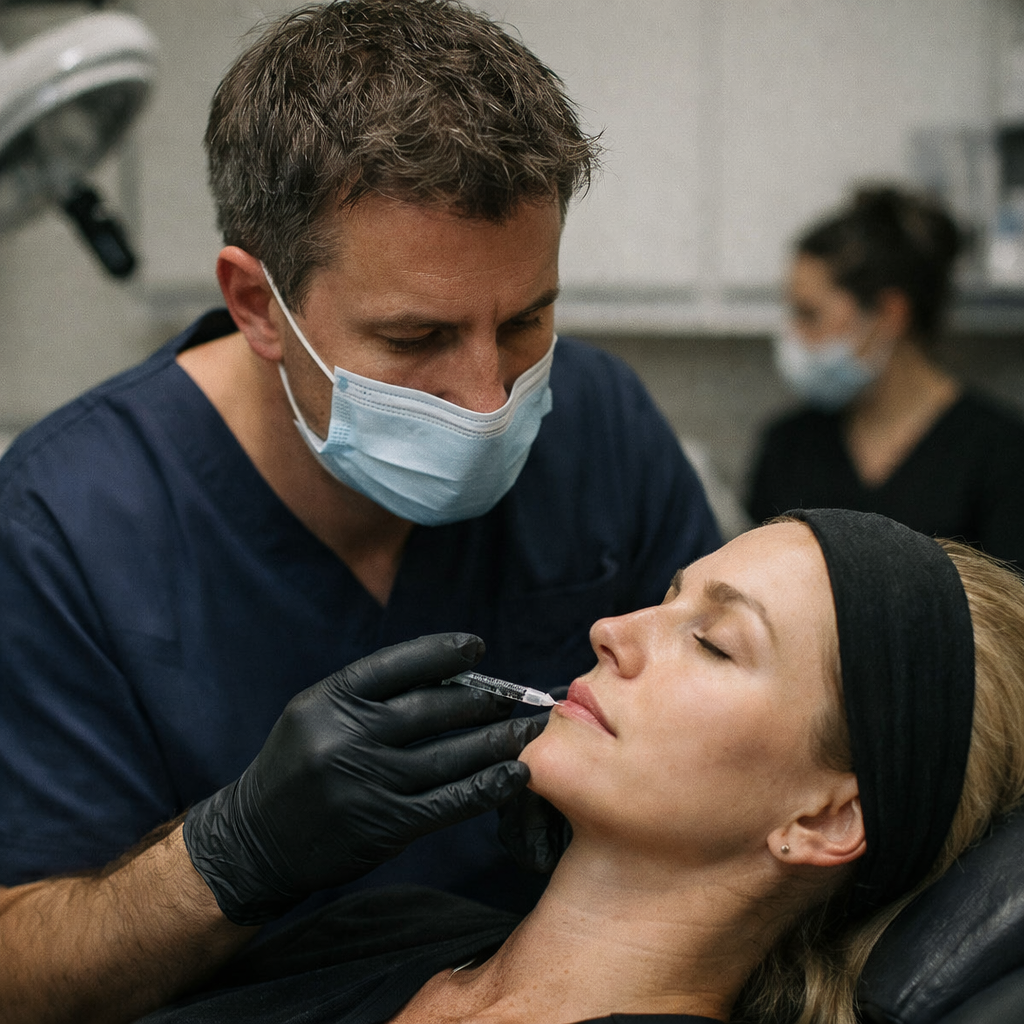
Why Aesthetic Training Is Becoming Essential For Modern Dentists
Patients increasingly view the dental practice as a place to improve not only oral health, but also overall facial appearance. From smoother peri-oral lines to better lip support and a more balanced profile, aesthetics treatments can complement dentistry in a way that feels natural and clinically aligned. This shift in demand is one reason many clinicians are now asking the same question: why should a dentist train in aesthetics treatments? The answer is rooted in patient expectations, professional development, and the opportunity to build a more resilient and rewarding practice.
Facial aesthetics has become a logical extension of what dentists already do every day: assess facial anatomy, work within a medical setting, deliver injectable techniques (such as local anaesthetic), and communicate treatment plans clearly. With the right education, dentists can apply these strengths to non-surgical aesthetics in a safe, ethical, and effective way—while keeping patient outcomes and wellbeing at the centre of everything.
Meet Patient Demand For Subtle, Confidence-Boosting Results
One of the clearest reasons dentists pursue aesthetics training is growing patient interest. Many patients want small enhancements that keep them looking like themselves—just fresher, smoother, and more confident. Because dentists see patients regularly, they are often the first clinicians patients feel comfortable asking about appearance-based concerns around the mouth, smile lines, lips, and lower face.
By training in aesthetics treatments, dentists can respond to these enquiries with confidence rather than turning patients away or referring them elsewhere. This helps patients access care in a familiar, clinical environment where safety standards are high and trust is already established. It also gives dentists the ability to offer a more complete approach—where the smile and surrounding facial features are considered together for balanced, natural-looking outcomes.
Expand Your Skill Set With A Natural Extension Of Dental Expertise
Dentistry is deeply rooted in facial anatomy, precision technique, and a detailed understanding of how soft tissue interacts with underlying structures. Aesthetics training builds on that foundation. Dentists already possess excellent hand skills, an eye for symmetry, and experience delivering injections comfortably and safely—making the transition into facial aesthetics more seamless than it may be for other professionals.
Training adds the specific knowledge required for aesthetics, such as product selection, facial assessment for non-surgical indications, complication management, and aftercare protocols. It also reinforces the importance of appropriate patient selection and realistic expectations. With comprehensive education, dentists can integrate these treatments into practice ethically—ensuring that aesthetic services remain clinically appropriate and aligned with professional standards.
Create New Revenue Streams And Strengthen Practice Resilience
Another key motivation is practice growth. The dental industry, like any healthcare sector, can experience fluctuations—whether due to changing patient spending habits, increased competition, or evolving treatment trends. Adding aesthetics treatments can diversify your services and reduce reliance on a single income stream, helping create a more stable business model.
Importantly, aesthetics can also support dental treatment planning. For example, patients seeking smile improvements may be interested in complementary facial enhancements, and vice versa. When offered responsibly, these additional services can increase patient lifetime value and strengthen loyalty to the practice. Rather than being a standalone “beauty add-on,” facial aesthetics can become part of a holistic patient journey that supports confidence and wellbeing.
Enhance Patient Relationships And Increase Retention
Patient retention is often driven by trust, comfort, and perceived value. When a patient feels that their clinician listens to their concerns and can offer solutions—whether functional, cosmetic, or both—they are more likely to stay with that practice long term. Aesthetics training can deepen these relationships by expanding the ways you help patients feel better about themselves.
Because dental patients often return every six months, there is a natural rhythm of follow-up and continuity of care that supports safe monitoring and long-term planning. This makes dentistry an ideal setting for responsibly delivered aesthetic treatments, where outcomes can be reviewed and refined conservatively over time. In turn, patients are more likely to recommend a multi-skilled clinician to friends and family, supporting sustainable growth through word-of-mouth referrals.
Stand Out In A Competitive Market With High-Value Services
In many areas, patients have multiple dental practices to choose from. A clinician who is trained in aesthetics treatments can stand out by offering high-demand services under one roof. For patients, convenience matters—especially when it comes to treatments involving the face. They often prefer a reputable clinical setting with rigorous hygiene standards and a practitioner who understands facial structure in depth.
From a branding perspective, adding facial aesthetics can help position your practice as modern and patient-focused, particularly if you already offer cosmetic dentistry such as whitening, veneers, aligners, or smile makeovers. When the messaging is done tastefully, aesthetics becomes a complementary service that supports the broader goal: helping patients look and feel their best in a safe environment.
Improve Confidence Through Structured, Safety-First Training
Facial aesthetics should never be approached casually. While dentists bring many transferable clinical skills, structured training is essential for understanding products, techniques, contraindications, and risk management. Quality education also covers how to recognise and manage complications, when to refer, and how to maintain thorough clinical documentation and consent processes.
This emphasis on safety is exactly why dentistry and aesthetics align so well. Dentists are already trained to work methodically, follow protocols, and prioritise patient welfare. With proper aesthetics training, clinicians can build confidence in consultation, facial analysis, treatment delivery, and aftercare—ensuring patients receive responsible, professional treatment rather than trend-driven procedures.
Build A More Holistic Approach To Facial Harmony
Dentistry doesn’t exist in isolation from the rest of the face. Changes in teeth position, bite, and smile aesthetics can influence lip posture and the appearance of the lower face. Likewise, soft tissue concerns around the mouth can affect how patients feel about their smile—even if their teeth are healthy. Aesthetics training allows dentists to adopt a more holistic view of facial harmony and patient goals.
For many patients, the ideal outcome isn’t dramatic change—it’s balance. When a clinician understands both dental and facial considerations, they can guide patients toward conservative, complementary improvements that still look natural. This approach supports patient satisfaction while reinforcing professional integrity.
Final Thoughts For Dentists Considering Aesthetics Treatments
Training in aesthetics treatments can be a strategic and clinically aligned step for modern dentists. It helps you meet patient demand, broaden your clinical expertise, diversify income streams, improve retention, and differentiate your practice—while maintaining the high safety standards patients expect from a dental setting. The key is to pursue reputable, comprehensive training and integrate treatments with an ethical, patient-first mindset.
You can explore the full article by going to this link: https://transferemails.com/reasons-dentist-train-in-aesthetics-treatments/.