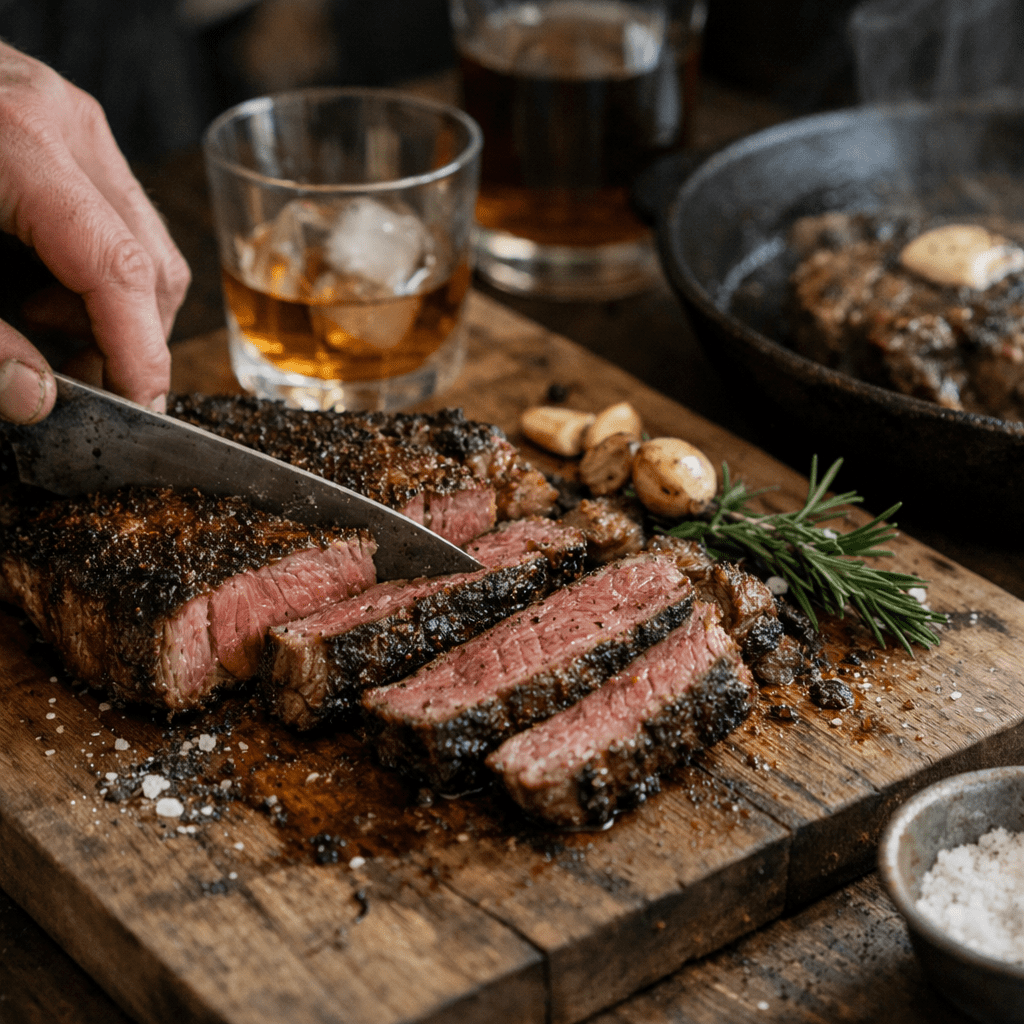
Dry Aged Whiskey Steak Recipe: A Bold, Restaurant-Style Steak You Can Make At Home
If you’re looking to elevate steak night into something unforgettable, a dry aged whiskey steak recipe delivers the kind of deep, savory flavor and aromatic finish you usually only find at high-end steakhouses. By pairing the rich, concentrated taste of dry-aged beef with the warmth and complexity of whiskey, you get a steak that’s intensely beefy, beautifully caramelized, and layered with subtle sweetness and oak-driven spice. It’s the ideal choice for date nights, weekend grilling, or any time you want to serve an impressive main course without overcomplicating the process.
This style of steak is all about quality ingredients and smart technique: choose a great cut, season it well, sear or grill at high heat, then finish with a whiskey-forward glaze or pan sauce that enhances the dry-aged character rather than masking it. The result is a juicy interior, a crisp crust, and a finish that’s both bold and balanced.
Why Dry-Aged Beef Makes A Difference
Dry-aged beef is prized for its concentrated flavor and tender texture. During dry aging, moisture slowly evaporates from the meat, and natural enzymes help break down muscle fibers, creating a more tender bite. At the same time, the flavor intensifies into a signature profile often described as nutty, buttery, and deeply savory.
Because dry-aged steak already has such a developed taste, it pairs exceptionally well with whiskey. The spirit’s notes—caramel, vanilla, smoke, toasted oak, and spice—complement the steak’s robust savoriness. The key is using whiskey as an accent, not a distraction: a measured pan sauce, a quick reduction, or a finishing glaze is typically all you need.
Choosing The Best Steak Cut For Dry-Aged Whiskey Flavor
The best cuts for a dry aged whiskey steak recipe are those with strong marbling and thickness, so they stay juicy under high heat and stand up to a flavorful sauce. Popular choices include ribeye, strip steak (New York strip), and porterhouse or T-bone. Filet mignon can work too, though it’s naturally milder and benefits from a slightly richer sauce approach.
Whenever possible, aim for a steak that’s at least 1.25 to 2 inches thick. Thicker steaks are easier to cook to a perfect medium-rare while still forming a beautiful crust. If you’re buying dry-aged beef, talk to your butcher about the aging duration—many steaks are aged 21 to 45 days, which typically brings plenty of flavor without becoming overpowering.
Whiskey Selection: What Works Best In Steak Recipes
Whiskey choice matters, but it doesn’t have to be expensive. The best option is a whiskey you enjoy drinking, because its flavor will come through in the sauce. Bourbon adds sweeter notes like vanilla and caramel. Rye brings more spice and edge. Smokier styles can add a bolder, earthy finish, but they should be used carefully so they don’t dominate the beef.
A great rule of thumb: if your dry-aged steak is especially funky or intensely savory, consider a bourbon-leaning profile for a touch of sweetness. If your steak is more classic and beef-forward, rye’s spice can add a sharp, modern contrast.
Core Ingredients That Build Steakhouse Flavor
At its heart, this recipe style uses simple ingredients that amplify the meat. Coarse salt and freshly cracked black pepper provide the foundation for a crust. Butter builds richness and helps carry flavor. Garlic, shallots, and fresh herbs like thyme or rosemary add aroma. Finally, whiskey, plus a reduction element like stock, and optionally a touch of sweetness (such as brown sugar or honey), help create a glossy, savory pan sauce.
This combination delivers the classic steakhouse effect: an intensely browned crust, a tender interior, and a spoonable sauce that tastes like it took hours—when it really comes together quickly in the pan while the steak rests.
How To Cook Dry-Aged Whiskey Steak Like A Pro
The most reliable way to get steakhouse results is to focus on temperature control and timing. Start by bringing the steak closer to room temperature before cooking, then pat it dry so it sears rather than steams. Season generously—dry-aged beef can handle confident seasoning because its flavor is concentrated.
Sear the steak on high heat using a heavy pan or hot grill grates. Once you’ve built a crust, you can finish the steak to your desired doneness either by lowering the heat, moving to indirect heat on the grill, or briefly finishing in the oven. After cooking, rest the steak so juices redistribute and the texture stays buttery.
While the steak rests, use the same pan to build the whiskey sauce: sauté aromatics, deglaze with whiskey, reduce slightly, then add stock and finish with butter for shine and body. This approach captures the browned bits left behind from searing—one of the biggest secrets behind steakhouse flavor.
Serving Ideas And Perfect Pairings
Dry-aged whiskey steak shines with sides that balance richness. Creamy mashed potatoes, roasted garlic potatoes, or a crisp salad with a bright vinaigrette work beautifully. Charred asparagus, sautéed mushrooms, and blistered green beans also complement the steak’s savory depth.
For drinks, pairing with the same whiskey used in the sauce can create a cohesive experience. You can also serve a bold red wine, or keep it simple with sparkling water and citrus to cleanse the palate between bites. If you want a deeper, smoky plate, add grilled onions or a touch of smoked salt—just keep additions measured so the dry-aged beef remains the star.
Tips For Nailing The Crust And Keeping The Steak Juicy
To get the best results every time, focus on three fundamentals: dryness, heat, and rest. First, pat the steak thoroughly dry before seasoning. Second, make sure your pan or grill is truly hot before the steak touches it—this is what gives you a crisp, flavorful crust. Third, rest the steak long enough after cooking so it stays juicy when sliced.
If you’re making a whiskey sauce, reduce it carefully. Whiskey can become harsh if boiled too aggressively for too long, so aim for a quick reduction that keeps aroma while smoothing out raw alcohol sharpness. Finish the sauce with butter off heat to keep it silky.
Make This Steak Night One To Remember
A dry aged whiskey steak recipe is the perfect blend of craft and comfort: premium beef, bold browning, and a spirited sauce that feels celebratory without being fussy. Whether you cook it in a cast-iron skillet or on the grill, the payoff is a steak that tastes expensive, dramatic, and deeply satisfying.
You can explore the full article by going to the following link: https://fandbrecipes.com/author/steak-locker/