Early Symptoms of Piles and Treatment for Piles
Piles, also known as hemorrhoids, are a common condition that occurs when the veins in and around the anus or lower rectum become swollen and inflamed. While many people feel hesitant to talk about piles, recognizing the early symptoms of piles is important because timely action can reduce discomfort and prevent the problem from worsening. In many cases, lifestyle adjustments and targeted treatment for piles can provide effective relief and help you get back to normal daily life comfortably.
What Are Piles And Why Do They Happen?
Piles develop when increased pressure affects the veins in the rectal area. This pressure can be triggered by constipation, straining during bowel movements, prolonged sitting (especially on the toilet), obesity, pregnancy, heavy lifting, or a low-fiber diet. Piles may be internal (inside the rectum) or external (under the skin around the anus). Both forms can cause symptoms, but their presentation can vary. Understanding the root causes helps you choose the right treatment for piles and, importantly, reduce recurrence.
Early Symptoms Of Piles You Should Not Ignore
Spotting the early symptoms of piles can prevent progression into more painful stages. One of the most common early warning signs is rectal bleeding, typically noticed as bright red blood on toilet paper or in the toilet bowl after passing stool. It may be painless at first, which is why it is often dismissed. Another common symptom is itching or irritation around the anal area, caused by mucus discharge or inflammation.
You may also notice discomfort, a feeling of fullness, or mild pain during bowel movements. In some cases, there is swelling or a lump near the anus, which can indicate external piles or a prolapsed internal hemorrhoid. Some people experience a sensation that the bowel is not fully emptied even after using the restroom. While these symptoms often point to piles, persistent bleeding or severe pain should always be evaluated by a healthcare professional to rule out other conditions.
Common Triggers That Make Symptoms Worse
Many cases intensify because everyday habits continue to aggravate the area. Constipation and hard stools are major triggers, as they increase straining and friction. Frequent diarrhea can also irritate tissues and worsen inflammation. Sitting for long periods—whether at work, while driving, or on the toilet—can increase pressure in the rectal veins.
Diet plays a central role as well. Low fiber intake and inadequate hydration make stool harder to pass. Spicy foods, alcohol, and heavy processed meals may aggravate symptoms in some individuals. If you are experiencing early symptoms of piles, identifying and reducing these triggers is a practical first step alongside any treatment for piles.
Diagnosis And When To See A Doctor
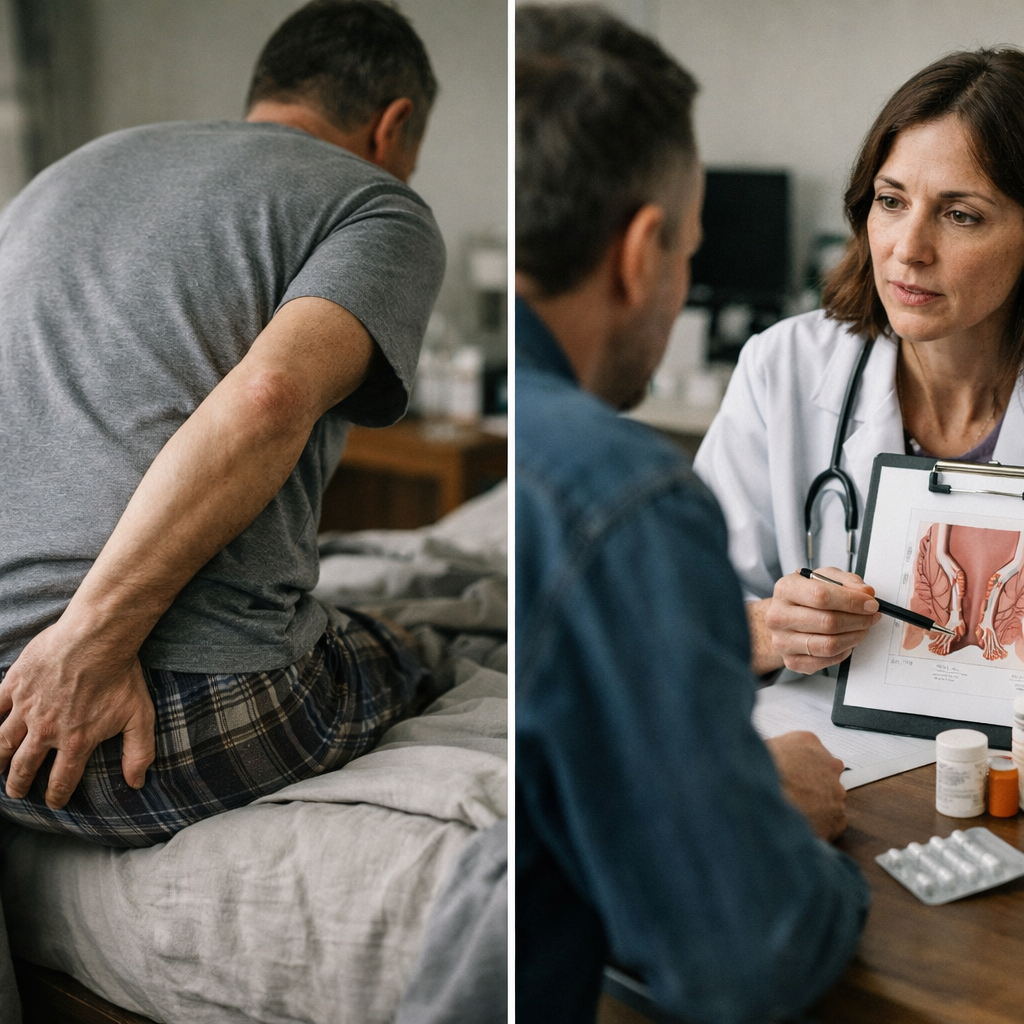
Although piles are common, self-diagnosis can be risky because rectal bleeding can have other causes. A doctor can evaluate symptoms through a physical exam and, if needed, an examination of the rectum using specialized tools. You should seek medical attention if bleeding is recurrent, the pain is severe, symptoms do not improve with basic care, or you experience unexplained weight loss, weakness, or changes in bowel habits.
Early assessment helps ensure the right treatment for piles is chosen and provides reassurance. It also helps catch other gastrointestinal issues early, which is valuable for long-term health.
Lifestyle And Home Remedies For Early-Stage Piles
Many mild cases respond well to home care, especially when started early. Increasing dietary fiber is one of the most effective measures. Fiber softens stools and supports regular bowel movements, reducing strain. Add more fruits, vegetables, whole grains, and legumes, and consider a fiber supplement if needed. Hydration is equally important—drinking enough water can prevent constipation and keep stools soft.
Warm sitz baths (sitting in warm water for 10–15 minutes) can ease irritation and pain. Avoiding straining and limiting time spent on the toilet reduces pressure on veins. Regular light exercise can improve digestion and reduce constipation. For symptom relief, topical creams or suppositories may help with itching and inflammation, but they should be used according to medical advice, especially for prolonged periods.
Medical Treatment For Piles: What Options Are Available?
If lifestyle measures are not enough, medical treatment for piles may be recommended based on severity and whether the piles are internal or external. Doctors may prescribe medications to reduce inflammation, relieve pain, control itching, or prevent constipation through stool softeners. For more persistent cases, minimally invasive office-based procedures may be considered.
Common procedures include rubber band ligation (where a small band cuts off blood supply to the hemorrhoid), sclerotherapy (injection treatment), or coagulation techniques (using heat or light to shrink hemorrhoidal tissue). These options are often used for internal piles and can reduce symptoms significantly. In advanced or recurrent cases, surgery might be advised, such as hemorrhoidectomy or stapled hemorrhoidopexy, depending on the clinical picture.
Prevention Tips To Reduce Recurrence
Prevention is an essential part of long-term management. Aim for consistent bowel habits without forcing or delaying the urge to go. Maintain a high-fiber diet and steady hydration daily, not only when symptoms appear. Avoid prolonged sitting, and take short walking breaks during long working hours. Maintaining a healthy weight reduces pressure on rectal veins, and safe lifting techniques help prevent strain.
If you are prone to constipation, address it early rather than waiting for symptoms to intensify. Over time, these habits help reduce flare-ups and make any future treatment for piles easier and more effective.
Key Takeaway
The early symptoms of piles—such as bright red bleeding, itching, discomfort, swelling, and a feeling of incomplete evacuation—are easier to manage when addressed promptly. In many situations, diet improvements, hydration, reduced straining, and simple home care can bring relief. When symptoms persist or worsen, medical evaluation ensures an accurate diagnosis and offers a range of effective treatment for piles, from medications to minimally invasive procedures.
They can explore the full article by going to the following link: https://www.plus100years.com/read-more-blog/early-symptoms-of-piles-and-treatment-for-piles.