The Growing Demand For Aesthetic Treatment Skills
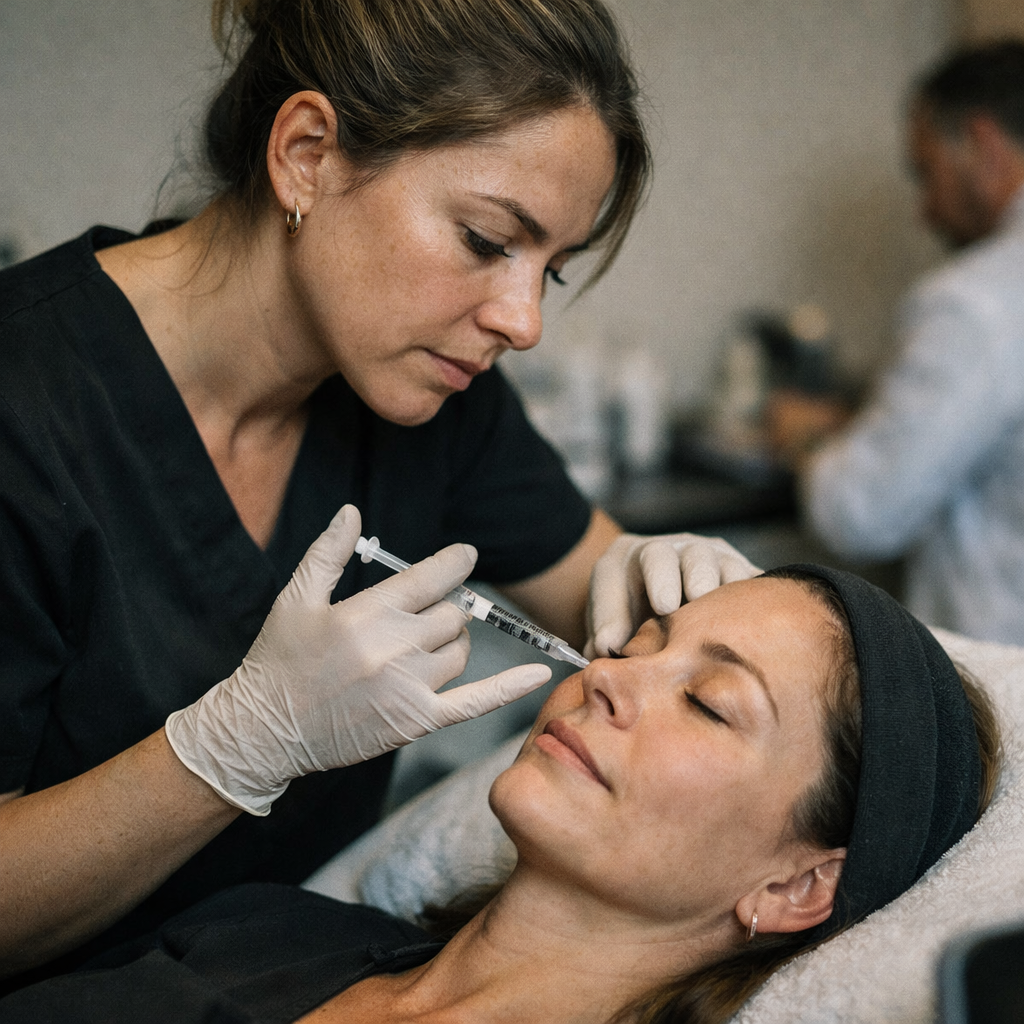
Aesthetic treatments have become an integral part of the modern beauty and wellness industry, with more clients than ever looking for non-surgical ways to enhance their appearance and confidence. As the demand for services like dermal fillers, anti-wrinkle treatments, skin rejuvenation, and advanced facial techniques rises, the need for properly trained practitioners rises with it. Being trained in aesthetic treatments can benefit you in multiple ways—whether you’re already in the beauty sector, considering a new career direction, or looking to expand a clinic’s service list. With the right education, you can develop practical, in-demand skills while positioning yourself in a fast-growing market that values professionalism, safety, and results.
Career Progression And New Opportunities
One of the biggest advantages of training in aesthetic treatments is the access it can unlock to new career paths. For beauty therapists, hair professionals, massage therapists, and skincare specialists, learning aesthetic procedures can be a natural next step that broadens the range of services offered. For those coming from healthcare backgrounds, aesthetics can provide a rewarding route to apply clinical knowledge in a client-focused setting. Training can help you stand out in a crowded industry by showing you’ve invested in specialist development—something clients often look for when choosing a practitioner.
In addition, many people pursue aesthetics training as part of a larger plan to become self-employed, work freelance, rent a chair in a clinic, or open their own practice. Because aesthetics can be offered in various business models, training gives you flexibility. It can enable you to work part-time, add high-value services alongside existing offerings, or fully transition into an aesthetics-focused role.
Increased Earning Potential In A Competitive Market
Aesthetic services are often positioned as premium treatments, which can translate into a higher earning potential compared with more traditional beauty services. By diversifying your professional skill set, you can potentially increase your income per appointment while creating repeat business from clients who return for maintenance sessions and ongoing skincare plans. Training can also help you deliver consultations that recommend tailored treatment pathways—encouraging client loyalty and supporting ethical upselling based on genuine needs and realistic outcomes.
While earnings vary depending on location, experience, and the types of treatments you provide, the general principle remains: advanced skills can allow you to offer advanced services. In a market where clients actively research providers, having credible training can help justify your pricing and reinforce perceived value.
Better Client Outcomes Through Knowledge And Technique
Training in aesthetic treatments isn’t only about learning how to perform a procedure—it’s about developing a deeper understanding of facial anatomy, skin health, sterile technique, product knowledge, consultation best practices, and aftercare guidance. This foundation supports safer practice and better outcomes. When you understand why you’re performing a technique—not just how—you can make better decisions for each individual client.
Clients today want natural-looking results, not a “one-size-fits-all” approach. Proper training helps you assess facial structure, client goals, medical history, and suitability for certain procedures. This not only improves results but also builds your reputation as a trustworthy professional who prioritizes client wellbeing. In an industry where word-of-mouth and reviews matter greatly, consistent outcomes supported by strong education can be a major advantage.
Enhanced Client Trust And Professional Credibility
Trust is vital in aesthetics. Clients are often nervous—especially first-time clients—about discomfort, side effects, and whether they’ll still look like themselves afterward. Being able to clearly explain the treatment, discuss benefits and risks, and provide evidence of training can make a significant difference in how comfortable a client feels. When clients see that you’ve taken your education seriously, they’re more likely to proceed with confidence and to return for future treatments.
Professional credibility also supports your ability to network with other practitioners, work in more reputable clinics, and potentially access better product suppliers or professional communities. In many places, aesthetics is an industry where ongoing learning is the norm; having strong initial training sets you up for further courses and specialisms as your career grows.
Flexibility, Independence, And Long-Term Growth
Another benefit of being trained in aesthetic treatments is the flexibility it can offer. Many aesthetic professionals design a schedule that fits their lifestyle, whether that means evenings, weekends, or a mix of clinic days and mobile appointments (where appropriate and permitted). This flexibility can appeal to people balancing other responsibilities or seeking more control over their time.
Training can also support long-term growth by allowing you to expand into new treatments over time. Many practitioners start with one or two core services and then build a broader portfolio as they gain confidence and experience. This gradual expansion can create a sustainable career progression path, keeping your work engaging while meeting evolving client demands.
A Stronger Understanding Of Safety And Ethical Practice
Safety is a cornerstone of aesthetic practice. Quality education should cover hygiene, infection control, contraindications, managing expectations, and the importance of detailed consultations and consent. When you’re trained properly, you’re more prepared to identify who is and isn’t a suitable candidate, spot red flags, and communicate responsibly with clients about realistic results.
Ethical practice is equally important. The most respected professionals in aesthetics are those who put client wellbeing first—sometimes even advising against treatment if it isn’t appropriate. Training can strengthen your confidence in setting boundaries, maintaining professional standards, and building a client base that values a careful, honest approach.
Boosting Confidence And Personal Satisfaction
Learning new skills can be deeply motivating. As you train and begin applying what you’ve learned, your confidence can grow—not just in performing treatments, but also in client communication, running consultations, and making professional judgments. Many people find aesthetics rewarding because they can see tangible results and positive emotional impacts: clients may feel more confident, refreshed, and comfortable in their appearance.
This element of helping others feel their best can provide genuine job satisfaction. For many practitioners, the combination of artistry, precision, and people-focused work is exactly what makes aesthetics such an appealing field.
Final Thoughts
Being trained in aesthetic treatments can benefit you by opening new career opportunities, increasing earning potential, supporting safer and more effective results, and helping you build long-term credibility in a high-demand industry. Whether your goal is to add services to an existing beauty business or to pursue a more specialized aesthetics pathway, the right training can be the foundation for meaningful growth and professional success.
You can explore the full article here: https://www.divinebeautytips.com/how-being-trained-in-aesthetic-treatments-can-benefit-you/