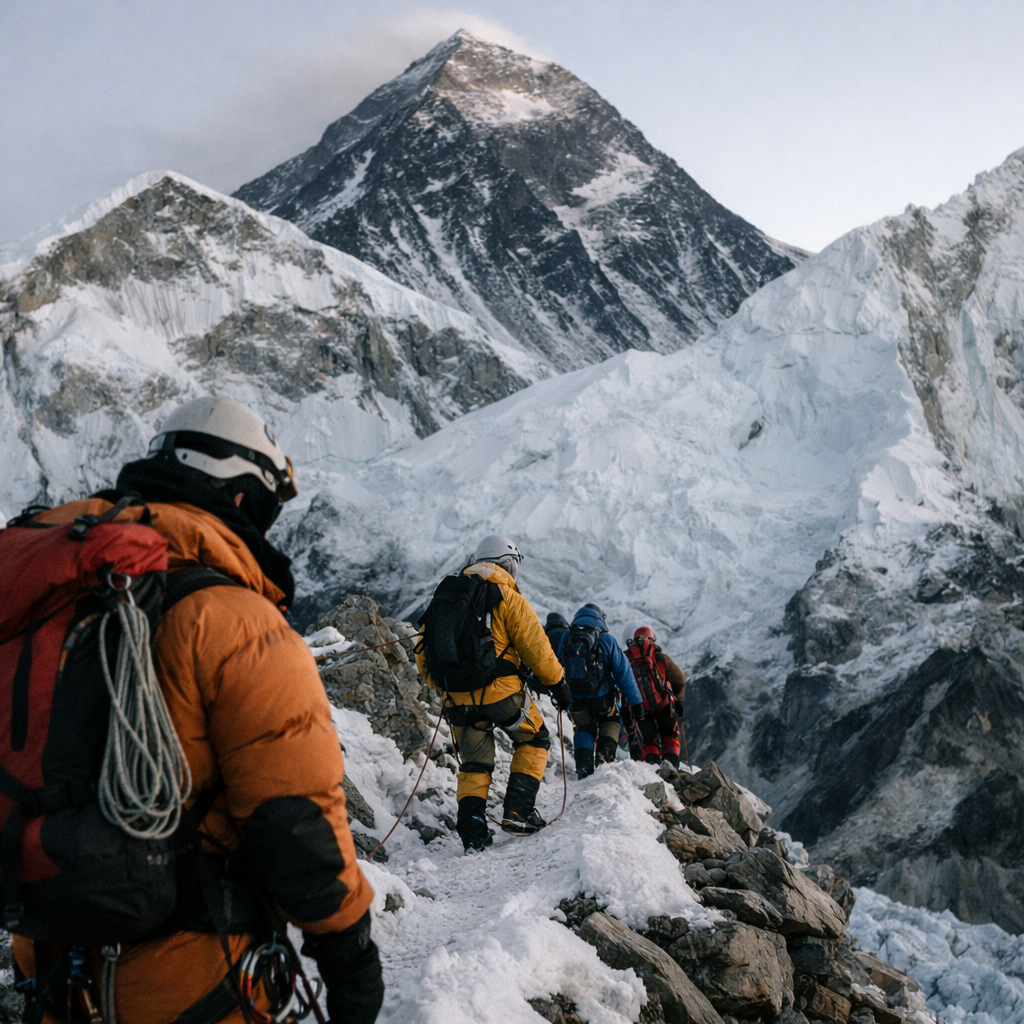
All About Climbing Everest: What Every Aspiring Climber Should Know
Climbing Mount Everest is the ultimate high-altitude ambition for many adventurers. Towering at 8,848.86 meters (29,031.7 feet), Everest demands far more than determination—it requires deep preparation, technical competence, physical conditioning, and a realistic understanding of the risks. Whether you’re researching for a future expedition or simply fascinated by the world’s highest mountain, understanding what goes into a successful Everest ascent helps separate myth from reality and highlights why this climb is often described as the most challenging “walk” on Earth.
From logistics and permits to weather windows and acclimatization, the journey to the summit is a long process that begins months (or years) before you ever set foot on the mountain. This guide summarizes key considerations around climbing Everest, with a focus on safety, planning, and the real-world expedition experience most climbers encounter.
Where Mount Everest Is Located And Why It Matters
Mount Everest sits on the border of Nepal and the Tibet Autonomous Region of China. Most expeditions attempt the summit via one of two primary routes: the South Col route from Nepal or the North Ridge route from Tibet. Each side offers a different experience—differences in terrain, regulations, access, and typical expedition infrastructure can influence the overall plan.
The Nepal (south) approach is more commonly used and generally begins with a trek to Everest Base Camp through the Khumbu region. The Tibet (north) approach typically involves driving closer to base camp, which can reduce some trekking time but comes with different permitting requirements and route challenges. In both cases, the altitude is the primary factor that determines pacing, acclimatization strategy, and how your body responds across the expedition.
The Standard Everest Climbing Routes: South Col Vs. North Ridge
The South Col route (Nepal) is famous for key sections like the Khumbu Icefall, Western Cwm, Lhotse Face, and the South Col itself. It’s also the route often featured in documentaries and expedition reports, largely because of its popularity and the concentration of teams operating from Nepal.
The North Ridge route (Tibet) is known for its exposed ridgelines, colder and windier conditions, and a summit push that includes complex terrain. While some climbers prefer the north for fewer crowds in certain seasons, both routes can experience congestion depending on permits and weather windows. Choosing a route usually depends on experience level, risk appetite, operator recommendations, and geopolitical access at the time of the expedition.
Training For Everest: Fitness, Skills, And Mental Readiness
Everest is not a climb you “wing.” Successful climbers typically build a long-term training foundation that includes endurance development, strength training, and technical mountain skills. Cardiovascular fitness matters because summit day is brutally long, and recovery between rotations can determine whether you stay healthy through the final push.
Technical preparation is equally important. Many climbers develop their skills on progressively higher and more difficult peaks before attempting Everest. This might include experience with crampons, fixed lines, ladder crossings, glacier travel, and crevasse rescue basics. Mental resilience is often the hidden differentiator: the ability to stay patient during delays, make conservative decisions, and turn back when conditions deteriorate is essential for survival at extreme altitude.
Acclimatization And The Dangers Of High Altitude
Altitude sickness is one of the most serious threats on Mount Everest. Above 8,000 meters—the “Death Zone”—your body cannot properly acclimatize, and physical decline accelerates. Common altitude-related illnesses include Acute Mountain Sickness (AMS), High Altitude Pulmonary Edema (HAPE), and High Altitude Cerebral Edema (HACE). These conditions can be fatal without immediate descent and medical intervention.
This is why acclimatization schedules involve multiple rotations up and down the mountain. Climbers typically spend weeks moving between camps to allow their bodies to adapt to lower oxygen levels. Many teams also use supplemental oxygen during higher camps and the summit push, which can significantly improve performance and decision-making, although it does not eliminate risk.
Costs, Permits, And Expedition Logistics
Climbing Everest is expensive, and understanding the cost breakdown helps set realistic expectations. Major expenses often include permits, expedition operator fees, Sherpa support, fixed rope and route contributions, oxygen systems, high-altitude gear, insurance, travel, and contingency days. A well-supported guided expedition can cost tens of thousands of dollars, and premium full-service options can be higher.
Permits and regulations vary by route and by season. Most climbers work with established operators who manage the administrative requirements, base camp logistics, staff coordination, and safety systems. While it’s possible to attempt Everest with minimal support, doing so dramatically increases risk and complexity, especially for climbers without extensive Himalayan experience.
Weather Windows, Crowds, And Timing Your Summit Attempt
Everest’s summit window is typically narrow. Most summit pushes occur in specific periods when winds drop and conditions stabilize—often in April and May on the Nepal side. Even then, forecasting can be imperfect, and climbers must be prepared for delays and rapid weather changes.
Crowding is another modern reality of Everest climbing. When many teams target the same brief window, bottlenecks can form on fixed-line sections. This increases exposure time at extreme altitude and can complicate safe movement up and down. Reputable operators plan summit attempts carefully, monitoring conditions, coordinating ascent times, and making conservative decisions to reduce risk.
Essential Gear For Climbing Mount Everest
Equipment choices can significantly influence safety and comfort. Climbers need high-altitude boots, layered clothing for extreme cold, down suits, crampons, harnesses, helmets, and a technical system for ascending fixed lines. Sleeping systems rated for severe temperatures, high-quality gloves and mitts, and reliable goggles are crucial for preventing frostbite and snow blindness.
Oxygen equipment, communication devices, medical kits, and backup batteries also matter. Many issues on Everest begin as small gear failures that escalate at altitude. Testing equipment beforehand—and understanding how to operate it when you’re exhausted and cold—can be the difference between continuing safely and having to abandon the push.
Health, Safety, And Ethical Considerations On The Mountain
Everest demands respect—not only for the environment but also for the people who make expeditions possible. Sherpas and high-altitude workers play a critical role in route preparation, load carrying, and safety support. Choosing ethical operators who pay fair wages, invest in worker safety, and follow responsible environmental practices is an important part of modern Everest climbing.
Safety should always outweigh summit goals. Good decision-making includes recognizing symptoms early, communicating openly with guides, and turning back when needed. The summit is optional; returning safely is the real objective.
Final Thoughts On Climbing Everest
Mount Everest is an extraordinary challenge that combines altitude, technical terrain, cold exposure, and complex logistics. For those who pursue it thoughtfully—building experience, training seriously, and choosing responsible support—it can be a life-defining goal. For those who underestimate it, Everest can become dangerously unforgiving. Respecting the mountain means approaching the climb with humility, preparation, and a clear-eyed view of risk.
You can explore the full article by going to the following link: https://bestofhealthylife.com/all-about-climbing-mount-everest/.