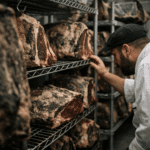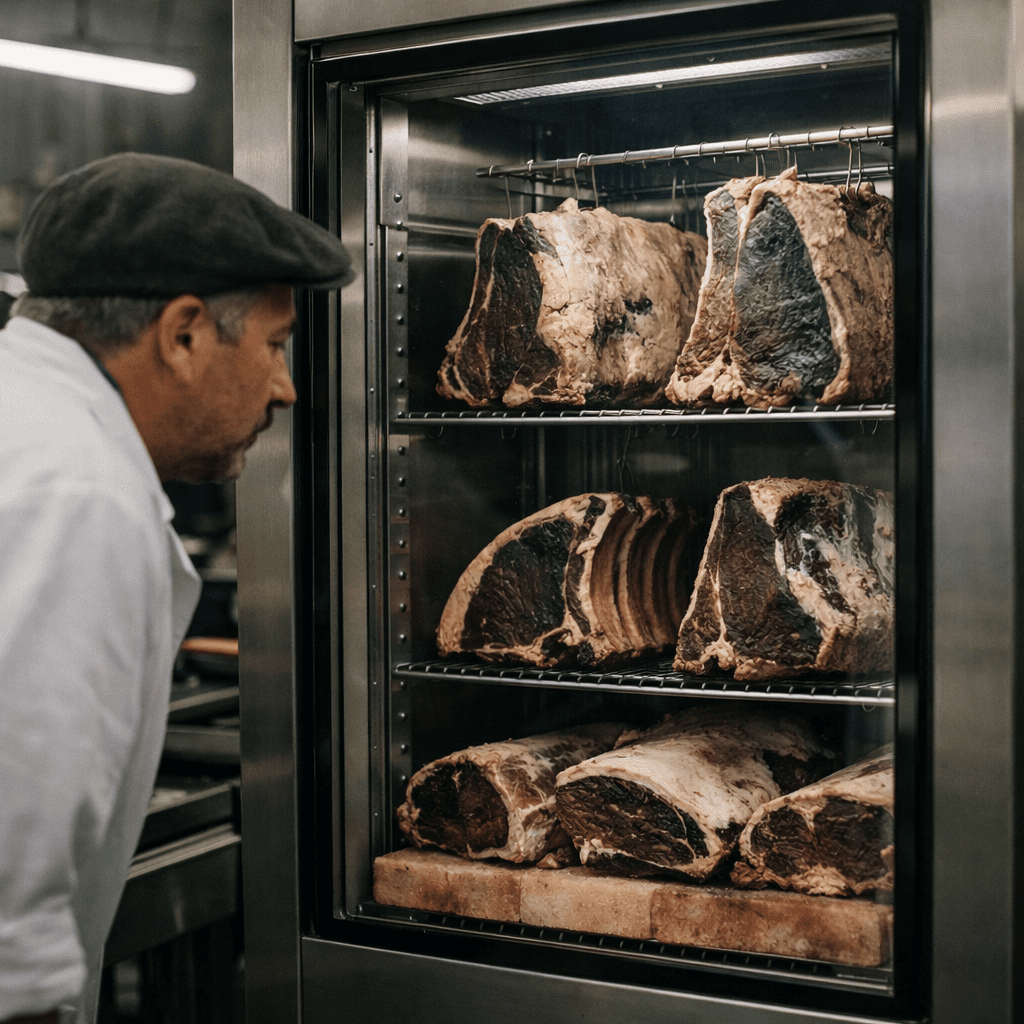
Dry aging has long been the secret behind the deep, nutty, intensely “beefy” flavor you find in elite steakhouses. Traditionally, it required dedicated aging rooms, strict sanitary routines, and expert control of temperature, humidity, and airflow—making it out of reach for most home cooks and many smaller food businesses. The innovation highlighted in Tech In East’s feature on “The worlds first dry age fridge” brings that once-exclusive craft into a compact, purpose-built appliance designed to make dry aging more accessible, consistent, and safe.
Dry Aging Explained: Why It Matters
Dry aging is the process of storing meat—most famously beef—under carefully managed environmental conditions over time. During this period, moisture evaporates and natural enzymes break down muscle proteins. The result is twofold: a concentrated flavor and a more tender bite. This is also why dry-aged cuts are prized and priced at a premium. However, the same factors that create great results also make the process challenging: small deviations in temperature, humidity, or airflow can lead to spoilage, off flavors, or uneven aging.
The Challenge With Traditional Dry Aging
In many kitchens, attempting dry aging without professional equipment can be a gamble. Standard refrigerators are built for general food storage, not controlled aging. They frequently cycle humidity and temperature in ways that can dry out meat too quickly, form unwanted surface conditions, or increase contamination risk. Professional aging rooms, on the other hand, require space and investment, plus ongoing maintenance and monitoring. The article on Tech In East underscores that the main barrier has never been interest—it’s been reliable control.
What Makes A Dedicated Dry Age Fridge Different
A dedicated dry age fridge is designed specifically to handle the key variables required for safe, high-quality aging. Instead of hoping your household refrigerator behaves the right way, a specialized unit aims to maintain stable temperature ranges, regulate humidity more precisely, and promote the consistent airflow that helps form the protective outer crust associated with proper dry aging. In practice, this controlled environment can reduce the guesswork and help users achieve repeatable outcomes—an essential benefit for restaurants, but also appealing to serious home enthusiasts.
Precision Control: Temperature, Humidity, And Airflow
The heart of the “world’s first dry age fridge” concept is control. Dry aging depends on keeping temperatures low and steady to limit bacterial growth while allowing enzymatic tenderization to occur. Humidity must be balanced: too low and the meat can dry excessively, increasing trim loss; too high and you risk undesirable microbial activity. Airflow helps ensure the surface dries evenly and discourages problematic moisture pockets. The featured innovation focuses on bringing these professional-level controls into a single appliance that is easier to manage than a full aging room.
Consistency And Safety For Better Results
One of the most compelling advantages of a purpose-built dry age fridge is consistency. For culinary professionals, consistency is profit: it means predictable yield, reliable flavor, and a process that staff can follow without constantly troubleshooting. For home users, it means confidence that the steak you’re aging is progressing as intended. The Tech In East piece emphasizes the appeal of a system that supports safer aging by design—creating a controlled environment that is better aligned with what dry aging actually requires.
Who Benefits From A Dry Age Fridge?
This type of appliance isn’t only for high-end steakhouses. A growing audience of food lovers wants restaurant-quality results at home, and specialty equipment has increasingly moved from commercial kitchens into consumer spaces. Meanwhile, butcher shops and smaller eateries often want to offer dry-aged selections without dedicating an entire room to the process. A dry age fridge can appeal to:
• Home cooks who want to experiment with premium dry-aged flavor without building complex setups
• Restaurants seeking a compact, controlled aging solution
• Specialty butchers aiming to differentiate their offerings with in-house aging
• Culinary teams that value predictable processes and repeatable outcomes
Flavor, Texture, And The Premium Experience
Dry-aged beef is famous for its richer aroma, intensified savory notes, and tender texture. Over time, the meat develops complexity that many describe as nutty or buttery, with a distinct concentration compared to wet-aged cuts. A fridge designed specifically for dry aging aims to help users achieve this signature profile more dependably. The overall goal is not just “aging meat,” but producing that unmistakable steakhouse-style eating experience—while reducing the failures that can occur when conditions aren’t stable.
Reducing Waste And Managing Yield
Dry aging naturally involves some loss: moisture evaporates, and the outer surface forms a hardened layer that must be trimmed before cooking. When conditions are inconsistent, trim loss can climb unnecessarily—reducing yield and increasing cost per serving. With better humidity and airflow management, a dedicated dry age fridge can help optimize the process so the end result is not only tastier, but also more efficient. This is one of the practical reasons controlled aging has always been a professional pursuit: the equipment supports better outcomes and better economics.
The Rise Of Smart, Specialized Kitchen Tech
The feature on Tech In East also fits a bigger pattern: kitchen technology is becoming more specialized, smarter, and more user-friendly. Just as espresso machines, sous-vide circulators, and pizza ovens have become more accessible, dry aging is now being packaged into a dedicated appliance format. This trend reflects changing consumer expectations—people want pro-level tools that reduce complexity and deliver consistent results, whether they’re cooking at home or running a small food business.
Why This Innovation Matters
The “world’s first dry age fridge” is significant because it turns a traditionally high-barrier craft into an approachable workflow. By focusing on the environmental factors that matter most—temperature stability, humidity balance, and airflow—this new approach aims to make dry aging more practical for more people. Beyond the novelty, it’s about making premium flavor attainable and helping users replicate the kind of results that once required a dedicated room and extensive expertise.
If you want to dive deeper into the details and context, you can explore the full article here: https://techineast.com/2021/10/25/the-worlds-first-dry-age-fridge/.