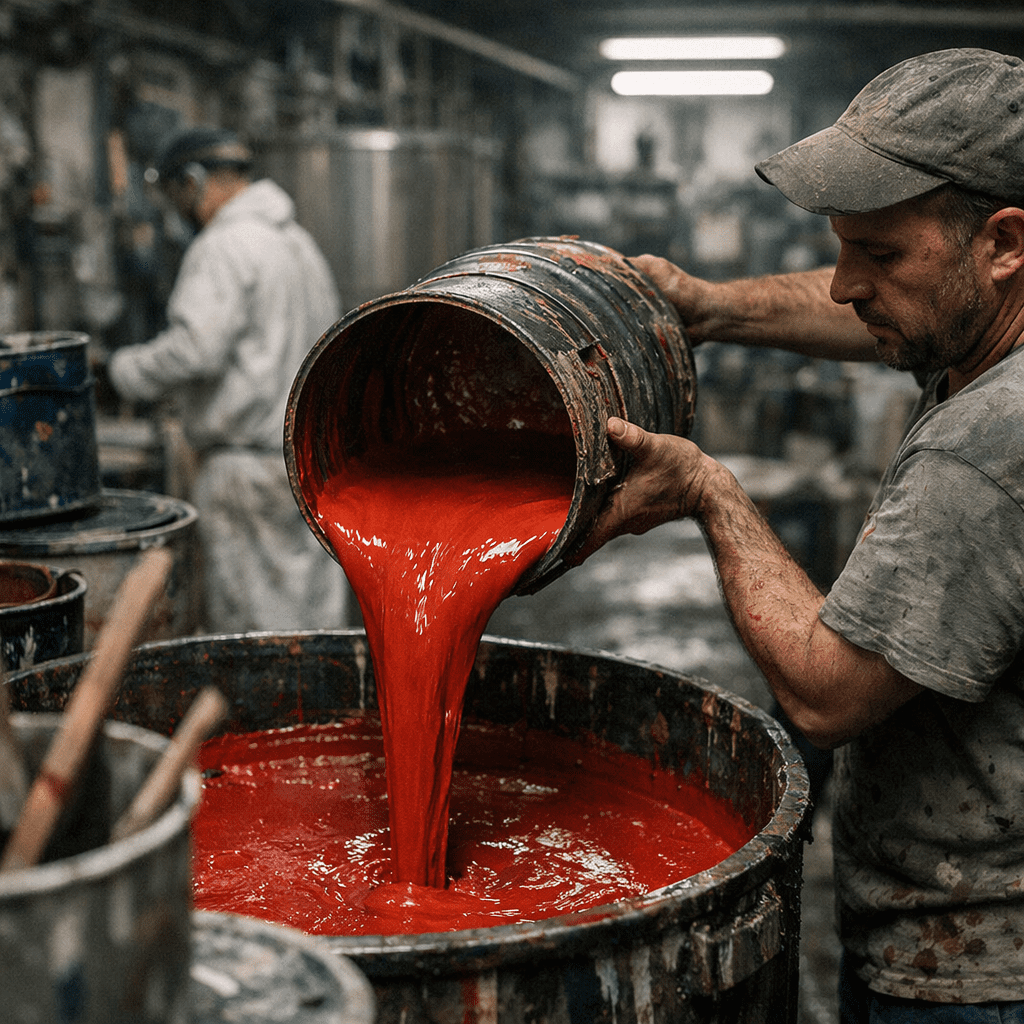
If you’ve ever stood in the paint aisle wondering why two cans that look nearly identical can have wildly different prices, you’re not alone. The reality is that the modern paint business is built on a mix of chemistry, branding, and smart merchandising—often leaving homeowners and even professional painters paying more than they need to for results they don’t necessarily get. The main takeaway behind “Secrets of the Paint Industry Uncovered” is simple: when you understand how paint is formulated and sold, you can choose better products, avoid common upsells, and get a more durable, attractive finish for your money.
What Most People Don’t Know About Paint Pricing
One of the biggest “secrets” of the paint industry is that price often reflects marketing and product placement as much as it reflects performance. Paint companies commonly create multiple lines that appear distinct but share overlapping ingredients, then position them at different price points. You’ll see labels emphasizing words like “premium,” “signature,” or “ultra,” but those descriptors aren’t standardized. That means two paints can be separated by a sizable price jump even when the measurable benefits—like hide, scrub resistance, and durability—don’t scale proportionally.
For consumers looking for real value, the most practical approach is to focus on performance specs and intended use rather than relying on branding alone. Interior wall paint needs different strengths than trim paint; bathroom paint needs moisture resistance; exterior paint must handle UV exposure and temperature swings. When you match the product to the job, you’re less likely to overpay for features that won’t matter in your space.
The Role Of Pigment, Binder, And Additives
Paint is more than “color in a can.” The article highlights how paint quality is largely determined by three core components: pigment (color and hide), binder/resin (film formation and durability), and additives (flow, mildew resistance, drying behavior, stain blocking, and more). The binder is especially important because it forms the paint film that protects the surface and resists wear. Higher-quality resins generally improve adhesion and longevity, particularly in challenging environments like kitchens, bathrooms, and exterior siding.
Meanwhile, pigments influence how well paint covers and how rich the color looks once dry. Better coverage can reduce the number of coats needed, which cuts labor time and material costs—even if the can price is higher. Additives, though used in smaller amounts, can significantly impact workability and performance, especially for specialty applications.
Why “One-Coat Coverage” Can Be Misleading
Few marketing claims are as persuasive as “one-coat coverage,” yet it’s also one of the most condition-dependent promises in the industry. Whether you truly get one-coat results depends on the contrast between the old and new colors, the surface texture, the porosity of the wall, the sheen, the application method, and whether the paint is being applied at the correct spread rate. Many DIY painters unknowingly stretch paint too thin, which reduces hide and makes a second coat inevitable.
In practice, pros often plan for two coats for consistent color depth and uniform sheen, especially with bold colors, patchy walls, or high-traffic spaces. Treat one-coat coverage as a “best-case scenario,” not a guarantee, and you’ll have more realistic expectations—and fewer mid-project surprises.
How Retail Strategy Shapes What You Buy
The paint industry doesn’t only compete on chemistry—it competes on shelf space, store partnerships, and customer perception. Product lines may be curated to steer most shoppers into a “good, better, best” ladder. This makes the mid-tier option feel “safe” and the top-tier option feel like the guaranteed best, even when the differences may be subtle for certain applications.
Another key point is that sales events, rebates, and contractor pricing structures can dramatically affect what people pay for the same product. Homeowners can benefit by watching for promotions, comparing equivalent lines across brands, and asking what differentiates a product beyond the label. Sometimes the most cost-effective choice is a well-reviewed mid-tier paint paired with proper surface prep and the correct primer.
The Truth About Primers And Paint “With Primer” Claims
A frequent misconception is that “paint and primer in one” eliminates the need for priming. The article emphasizes that primer has a specific job: to seal, bond, and create a uniform surface. Paint, by contrast, is designed to provide color, sheen, and protection. While some high-quality paints can perform well on already-painted, sound surfaces, primer is still essential in scenarios like bare drywall, patched areas, stained surfaces, glossy finishes, or dramatic color changes.
Using the right primer can improve adhesion, reduce flashing, block stains, and ultimately reduce how much finish paint you need. In many cases, a dedicated primer plus a durable topcoat produces a more professional, longer-lasting finish than relying solely on an all-in-one claim.
What Matters More Than Brand: Surface Prep And Application
Even the best paint can fail if applied to a dirty, chalky, or poorly prepared surface. The uncovered “secret” here is that paint performance is heavily dependent on the steps that happen before the can is opened: cleaning, deglossing, sanding, patching, caulking, and using appropriate primers. Proper prep creates a stable foundation so the coating can bond correctly and cure into a resilient film.
Application technique matters, too. Using quality brushes and rollers, maintaining a wet edge, allowing proper dry times between coats, and applying paint at the recommended thickness can make a noticeable difference in finish quality. When homeowners focus on prep and process, they often get superior results—even with a more modestly priced product.
How To Shop Smarter For Better Results
To make more confident choices, look beyond the front label. Ask what resin type is used, whether the paint is designed for scrubbability or stain resistance, and how it performs in independent reviews. Consider where the paint will live: high-humidity bathrooms and sun-exposed exteriors demand tougher coatings than a low-traffic bedroom. Also consider sheen selection—eggshell and satin often balance washability with appearance, while flat can hide imperfections but may mark more easily in busy areas.
Finally, evaluate cost in terms of coverage and longevity, not just sticker price. If a paint covers better, needs fewer coats, and holds up longer before repainting, it can be the better value over time. The real “insider move” is aligning product choice, primer strategy, and prep work so you get maximum performance without paying for hype.
Final Thoughts On Paint Industry “Secrets”
The core message is empowering: the paint aisle becomes far less confusing when you understand what you’re actually buying. Marketing language can be vague, price tiers can be engineered, and one-coat promises can be situational—but performance fundamentals are consistent. By focusing on formulation basics, realistic coverage expectations, and disciplined prep, you can get professional-looking results and avoid the most common spending traps.
You can explore the full article here: https://housefrey.com/index.php/2022/01/22/secrets-of-the-paint-industry-uncovered/