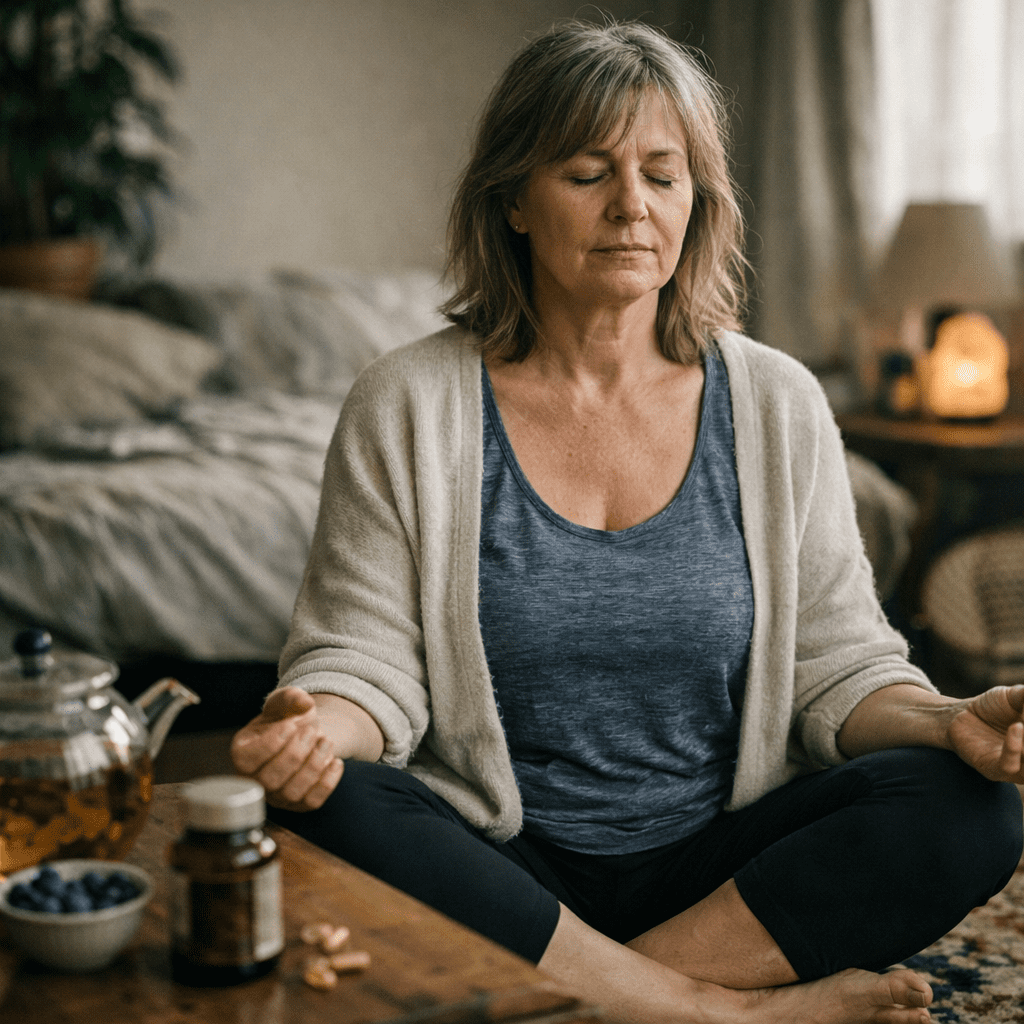
Menopause is a natural life stage, but the symptoms that often accompany it can feel disruptive and unpredictable. Many women experience hot flashes, night sweats, mood changes, sleep disturbances, weight gain, brain fog, and vaginal dryness during the transition. While medical support can be helpful, there is growing interest in lifestyle-based, holistic strategies that support comfort and wellbeing. Below is a practical, SEO-friendly overview of natural ways to alleviate symptoms of the menopause, inspired by evidence-informed wellness approaches and the key themes discussed in the referenced resource.
Understanding Menopause And Why Symptoms Happen
Menopause typically occurs when the ovaries reduce production of estrogen and progesterone, leading to the end of menstrual cycles. This hormonal shift affects multiple systems in the body, including temperature regulation, sleep, metabolism, and mood. Perimenopause—the transition leading up to menopause—can last several years, and symptoms may fluctuate in intensity. Understanding that these changes are biologically normal can make it easier to choose supportive, natural remedies for menopause symptoms that address the root triggers: hormonal variability, inflammation, stress, and lifestyle factors.
Nutrition Strategies That Support Hormonal Balance
Food choices can influence how the body experiences menopausal symptoms. A balanced, whole-food diet rich in fiber, lean protein, healthy fats, and micronutrients may help stabilize blood sugar and support energy and mood. Many women benefit from focusing on vegetables, fruit, legumes, nuts, seeds, and omega-3 sources such as sardines, salmon, chia seeds, and flaxseeds. Limiting highly processed foods and excess added sugars may also reduce energy crashes and cravings that can worsen irritability and fatigue.
Phytoestrogens—plant compounds found in soy, flaxseed, lentils, and chickpeas—are often discussed as a natural menopause support option. Some women find that moderate amounts of phytoestrogen-rich foods help reduce hot flashes and support overall comfort. If you are unsure whether soy or other phytoestrogens are a good fit for you, consider discussing dietary changes with a qualified clinician, especially if you have a hormone-sensitive medical history.
Hydration And Trigger Management For Hot Flashes
Hot flashes and night sweats are among the most common menopause symptoms. Simple daily habits can make a noticeable difference. Staying well-hydrated supports temperature regulation and can help compensate for fluid loss during sweating episodes. It’s also helpful to identify and reduce common triggers such as alcohol, caffeine, spicy foods, and overly warm environments. Wearing breathable layers, using a fan at night, and keeping the bedroom cool are practical, natural interventions that many women find effective.
Exercise For Weight, Mood, And Bone Health
Regular movement is one of the best natural ways to alleviate menopause symptoms because it supports several areas at once: weight management, mood stability, cardiovascular health, and bone density. Strength training is particularly valuable during and after menopause, when bone mineral density can decline and muscle mass may decrease. Aim to include resistance training two to three times per week, along with weight-bearing exercise like brisk walking, hiking, dancing, or stair climbing.
Gentler exercise options such as yoga, Pilates, and stretching routines can also help reduce joint stiffness and promote relaxation. If fatigue is a major symptom, start small—short, consistent movement sessions can still bring benefits without overwhelming your recovery and sleep.
Sleep Support And Evening Routine Adjustments
Sleep disturbances are a major quality-of-life issue during menopause. Night sweats, anxiety, and frequent waking can create a cycle of exhaustion. Natural sleep support often begins with sleep hygiene: maintaining a consistent bedtime, avoiding screens close to bedtime, and creating a dark, cool sleeping environment. Limiting caffeine later in the day and reducing alcohol can also improve sleep depth and reduce night sweats.
Many women find that calming routines—such as reading, a warm bath, light stretching, or breathing exercises—help signal to the nervous system that it’s time to rest. If insomnia is persistent, consider tracking symptoms and discussing them with a healthcare professional to rule out issues like sleep apnea, thyroid imbalance, or iron deficiency.
Stress Reduction For Mood Swings And Anxiety
Hormonal fluctuations can impact neurotransmitters related to mood and emotional regulation. That means stress can feel amplified during perimenopause and menopause. Natural approaches such as mindfulness, meditation, journaling, and gentle nature walks can reduce stress reactivity. Even five to ten minutes of daily breathwork may help lower tension and improve resilience.
Social support plays a role too. Talking openly with trusted friends, joining a menopause support community, or working with a therapist can help normalize the experience and provide coping strategies for mood swings, irritability, or feelings of sadness.
Herbal Remedies And Supplements To Consider Carefully
Some women explore herbal support for menopause symptoms, including options such as black cohosh, red clover, evening primrose oil, and adaptogenic herbs. Responses vary widely, and quality control matters, so it’s important to choose reputable brands. Additionally, supplements can interact with medications and may not be appropriate for everyone, particularly those with liver conditions, hormone-sensitive conditions, or those taking blood thinners.
Common foundational nutrients often discussed for menopause wellness include vitamin D, magnesium, and calcium for bone and muscle support, as well as omega-3s for heart and inflammation support. Before starting any supplement routine, it’s wise to consult a healthcare provider for personalized guidance and appropriate dosing.
Supporting Vaginal And Skin Health Naturally
Vaginal dryness and changes in skin elasticity are common as estrogen levels decline. Natural strategies may include using fragrance-free moisturizers, lubricants during intimacy, and avoiding irritants found in some soaps and personal care products. Hydration, omega-3 intake, and a nutrient-dense diet can also support skin comfort. If symptoms are severe or persistent, a clinician can discuss additional options, including localized treatments, to help maintain quality of life.
Creating A Sustainable Menopause Wellness Plan
The most effective natural menopause relief strategies are usually consistent, personalized, and realistic. Rather than trying multiple changes at once, consider focusing on one or two habits for two to four weeks—such as walking daily and reducing alcohol—then reassessing symptoms. A simple symptom journal can help identify patterns and triggers, making it easier to tailor your approach. Menopause is not one-size-fits-all, and your plan should reflect your lifestyle, health history, and preferences.
If you’d like to dive deeper into practical, natural strategies and additional context, you can explore the full article here: https://www.informationhealthy.com/natural-ways-to-alleviate-menopause-symptoms/.