Choosing The Right Cut For Your Steak
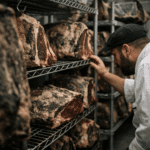
Cooking a restaurant-quality steak at home starts long before you switch on the heat. The first step is selecting a cut that matches your preferred texture, flavour, and budget. Well-marbled cuts such as ribeye are prized for their rich taste and forgiving nature, while sirloin offers a satisfying balance of flavour and leanness. Fillet (tenderloin) is famously tender, though typically milder in taste, and rump can be excellent when cooked carefully and sliced correctly. When shopping, look for steak that has good marbling (fine white streaks of fat running through the meat), a fresh colour, and a thickness that suits high-heat cooking—generally thicker steaks are easier to cook to a perfect doneness without overcooking the interior.
Why Temperature And Timing Matter
One of the most consistent tips for making the perfect steak is managing temperature—both the steak’s starting temperature and the cooking surface temperature. Bringing your steak closer to room temperature before cooking helps it cook more evenly, reducing the risk of a cold centre and an overdone outer layer. Timing matters, but it should be paired with touch, visual cues, and (ideally) a thermometer. Steak thickness, pan material, stove output, and even the initial chill of the meat all change how long it takes. Instead of relying on guesswork, aim to build a repeatable process: preheat properly, sear confidently, and finish to your desired internal temperature.
Seasoning Simply For Maximum Flavour
Steak doesn’t need complicated flavours to shine. A generous seasoning of salt and pepper is often all you need to highlight the meat’s natural character. Salt draws out moisture at first, then helps create a well-seasoned crust if given the right conditions. For best results, pat the steak dry before seasoning so the surface can brown rather than steam. If you like, you can add complementary aromatics such as garlic, thyme, or rosemary while basting, but the foundation is straightforward: good meat, properly seasoned, cooked with confidence. Simple seasoning also pairs well with classic sides like roasted potatoes, salad, or buttered greens.
Getting The Perfect Sear And Crust
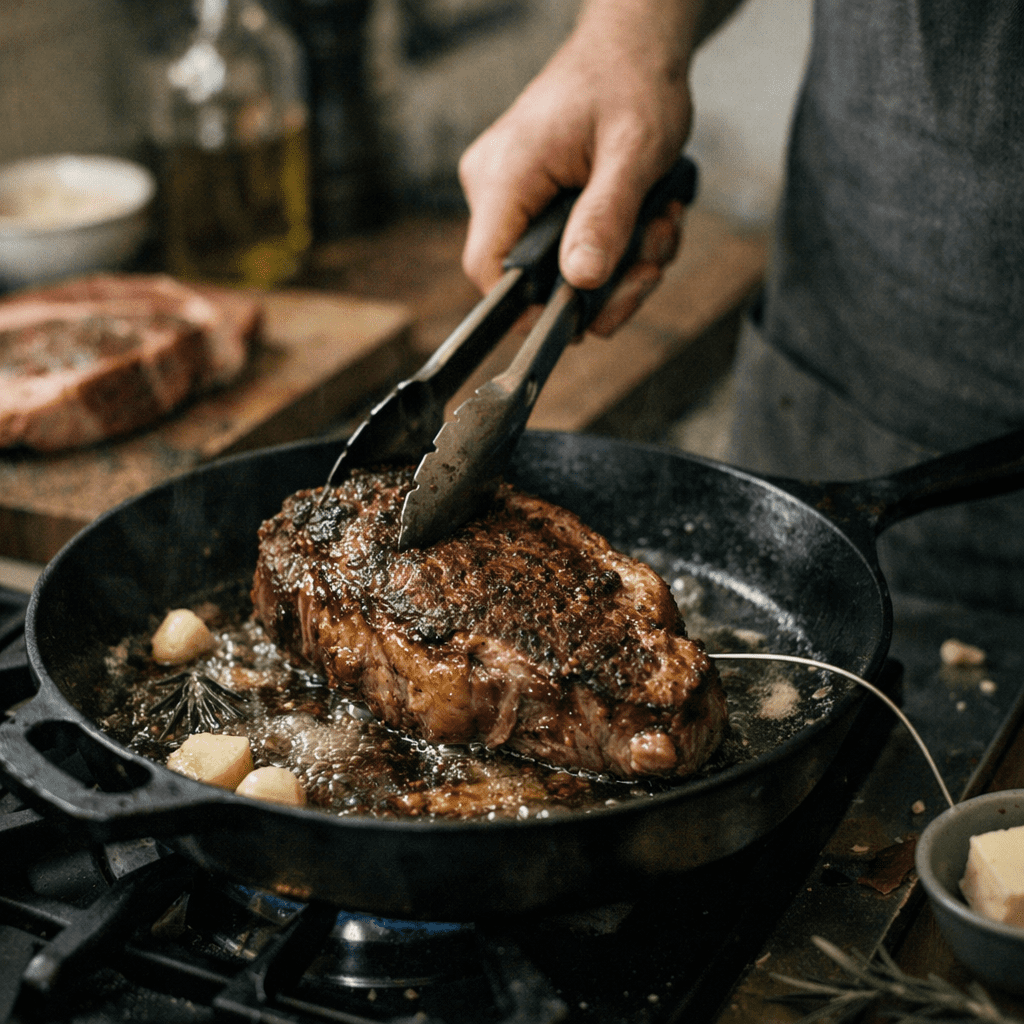
A golden-brown crust is one of the biggest differences between an average home-cooked steak and a steakhouse-style result. To achieve it, you need a very hot cooking surface and a dry steak. A heavy-based pan—such as cast iron—retains heat well and helps you achieve an even sear. Add a high-smoke-point oil, then place your steak in the pan and avoid moving it too early; contact with the hot surface is what triggers the Maillard reaction, building colour and flavour. Once the first side has developed a deep brown crust, flip and repeat. This process locks in flavour and creates that savoury, caramelised outer layer people crave in a perfect steak.
Pan Frying Versus Grilling: What Works Best
Both pan frying and grilling can produce excellent steak, but each method has advantages. Pan frying offers control and makes basting easy, allowing you to build layers of flavour with butter and herbs. Grilling delivers smoky notes and char, and it can be faster if your grill is properly preheated. No matter the method, the key is the same: start with high heat to sear, then adjust to finish cooking gently if needed. Thick cuts often benefit from a two-stage approach—hard sear first, then finish on a slightly lower heat or in the oven—so the outside browns while the inside reaches the ideal doneness.
How To Know When Your Steak Is Done
Doneness is personal, but consistency is the goal. The most accurate way to check is using a meat thermometer, especially when you’re aiming for medium-rare or medium. As a general guide, rare is around 50°C, medium-rare about 55°C, medium about 60°C, and medium-well around 65°C, with carryover cooking continuing as the steak rests. If you don’t have a thermometer, use touch and appearance: a rarer steak feels softer with more give, while a well-done steak feels firmer. Remember that thickness changes timing dramatically, so it’s better to cook to temperature than to the clock alone.
The Importance Of Resting Your Steak
Resting is not optional if you want juicy results. During cooking, the meat’s juices are driven toward the centre; slicing immediately releases them onto the board rather than keeping them in the steak. Resting allows the juices to redistribute and the internal temperature to even out. A good rule is to rest for several minutes (often 5 to 10 depending on thickness), loosely covered, so the steak stays warm without steaming and losing its crust. This short pause is one of the simplest ways to improve tenderness and moisture, making your final bite far more satisfying.
Butter Basting And Aromatics For Steakhouse Results
If you want to elevate your steak, butter basting is a tried-and-true technique. After the initial sear, add butter to the pan with aromatics like crushed garlic and herbs. Tilt the pan and spoon the foaming butter over the steak repeatedly. This helps brown the surface further while coating the meat in rich, nutty flavour. It’s a small step that delivers an unmistakable steakhouse finish, especially when paired with a crisp crust and a properly rested centre.
Slicing And Serving For The Best Texture
How you slice steak affects tenderness just as much as how you cook it. For cuts with more noticeable grain, slicing against the grain shortens the muscle fibres and makes each bite feel more tender. Use a sharp knife and slice at a slight angle for an attractive presentation. Serve immediately after resting and slicing, with finishing salt if desired. Simple sauces or toppings—peppercorn sauce, chimichurri, garlic butter, or a squeeze of lemon—can complement the steak, but aim to enhance rather than mask the flavour you worked hard to develop.
Common Mistakes To Avoid When Cooking Steak
Several small mistakes can prevent you from achieving the perfect steak. Cooking straight from the fridge can lead to uneven doneness. Not drying the surface can stop browning and cause steaming. Using a pan that isn’t hot enough can create a grey exterior instead of a crust. Flipping too frequently or moving the steak too soon can also reduce colour and flavour. Finally, skipping the rest is one of the fastest ways to lose juiciness. Avoid these pitfalls, follow a consistent method, and you’ll quickly build the confidence to cook steak exactly the way you like it.
Final Thoughts: Master The Perfect Steak At Home
Learning how to cook the perfect steak is about combining a few essential techniques: choose a quality cut, season simply, sear with proper heat, cook to the right temperature, and rest before slicing. With these steps, you can create a steak that’s deeply flavoured, tender, and juicy—without needing restaurant equipment. For more detailed guidance and extra tips, you can explore the full article by going to this link: https://eastendtastemagazine.com/top-tips-to-make-the-perfect-steak/.