Start With A Simple Decorating Plan
If you’re new to home decor, it’s easy to get overwhelmed by endless inspiration photos, trend alerts, and product choices. A smart decorating guide for novices begins with one key decision: make a plan before you buy anything. Start by identifying what you want the room to do—relaxation, productivity, entertaining, or family time. When function comes first, your choices become clearer, and your space feels intentional instead of random.
Next, define your style in a practical way. You don’t need to label it perfectly, but you should gather a small set of references you genuinely like. Look for common patterns: do you prefer warm wood tones, clean lines, soft neutrals, or bold color? This simple approach helps you create a consistent look without needing professional design skills. For beginners, consistency is the fastest route to a “pulled together” space.
Measure First To Avoid Decorating Mistakes
One of the most common beginner decorating mistakes is buying furniture or decor that doesn’t fit the room. Before you purchase anything substantial—sofas, rugs, coffee tables, beds, or dressers—take measurements. Record wall lengths, doorway widths, and key clearances like walkways. This saves time, prevents returns, and helps you avoid a room that feels crowded or awkward.
A practical technique is to tape out furniture dimensions on the floor using painter’s tape. This gives you an instant sense of scale and flow. Novice decorators often underestimate the impact of spacing; leaving enough room to move comfortably can make even a small room feel larger and more inviting. Measuring also helps you choose decor that feels proportional—art that’s not too tiny for a large wall, or lamps that don’t disappear behind a sofa.
Choose A Color Palette You Can Live With
Color is one of the easiest ways to transform a home, but it’s where many first-time decorators get stuck. A beginner-friendly strategy is to select a simple palette: one main neutral, one supporting tone, and one accent color. This keeps your room cohesive while still allowing personality. Neutrals like warm white, beige, greige, or soft gray are easy foundations because they work with many decorating styles and are unlikely to feel dated quickly.
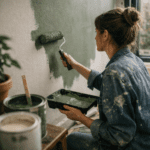
To make color selection easier, pull colors from an item you love—such as a rug, artwork, or throw pillow. That piece becomes your anchor, and the rest of your choices can echo it. If you’re nervous about bold shades, start small: add accent colors through pillows, blankets, decor, or a single painted wall. This lets you experiment without committing to a full-room repaint.
Build The Room With Key Pieces First
A reliable decorating guide for novices prioritizes big, high-impact items before small accessories. Focus on the essentials: seating, a bed, a dining table, storage, and lighting. These pieces define how the room functions and set the visual tone. Once they’re in place, selecting smaller decor becomes much easier because you’re styling around a clear foundation.
When choosing furniture, consider comfort and durability, not just appearance. A beautiful sofa that’s uncomfortable will never feel like “home.” Look for quality where it matters most—cushions, frames, and fabrics. For beginners, it’s also wise to stick to classic shapes and colors for large items, then add trendier elements through easily replaceable accents.
Use Lighting To Instantly Improve Any Space
Lighting is often overlooked by novice decorators, yet it’s one of the fastest ways to elevate a room. Instead of relying on a single overhead fixture, aim for layered lighting. Combine ambient lighting (general), task lighting (reading or working), and accent lighting (mood or highlighting decor). This creates depth and makes your home feel warmer and more welcoming.
Simple upgrades can include adding a floor lamp in a dark corner, placing table lamps on side tables, or using warm-toned bulbs for a cozier feel. Even renters can make noticeable improvements with plug-in sconces or strategically placed LED lighting. The goal is to avoid harsh shadows and create a balanced, comfortable glow throughout the room.
Add Texture And Personal Touches For A Finished Look
New decorators sometimes feel their room looks “flat” even after adding furniture. The missing element is often texture. Mixing materials—wood, metal, fabric, glass, ceramics, natural fibers—adds visual interest without needing more color. Texture also makes a space feel richer and more lived-in, which is essential for a comfortable home.
Incorporate textiles like curtains, rugs, pillows, and throws to soften hard surfaces and improve acoustics. Bring in plants for natural texture and freshness. Then add personal touches that reflect who you are: framed photos, travel keepsakes, books, handmade items, or art that means something to you. These details turn a decorated room into a home that feels authentic.
Style With Intention Instead Of Clutter
Decorating as a beginner can lead to overbuying small items because they seem safer than major furniture decisions. However, too many accessories can create clutter and make the room feel busy. A better approach is to style in groups and leave breathing room. For example, try a simple trio on a coffee table (a book stack, a candle, and a small plant) rather than covering the entire surface.
Use the “edit” mindset: place items, step back, and remove what doesn’t add value. Negative space is not empty space—it’s design. When each accessory has purpose, the room looks calmer and more refined. This approach also makes cleaning and maintenance easier, which is an underrated benefit for everyday living.
Keep Improving Your Home One Step At A Time
The best decorating guide for novices encourages progress over perfection. A well-decorated home is typically built over time, not in a single shopping trip. Live in your space, notice what feels uncomfortable or unfinished, and make small upgrades as your budget allows. Over time, you’ll develop confidence in your taste and decision-making.
If you want more beginner-friendly tips and a deeper walkthrough of the core ideas that help first-time decorators create a cohesive, comfortable space, you can explore the full article here: https://myhomeimpro.com/decorating-guide-for-novices/.