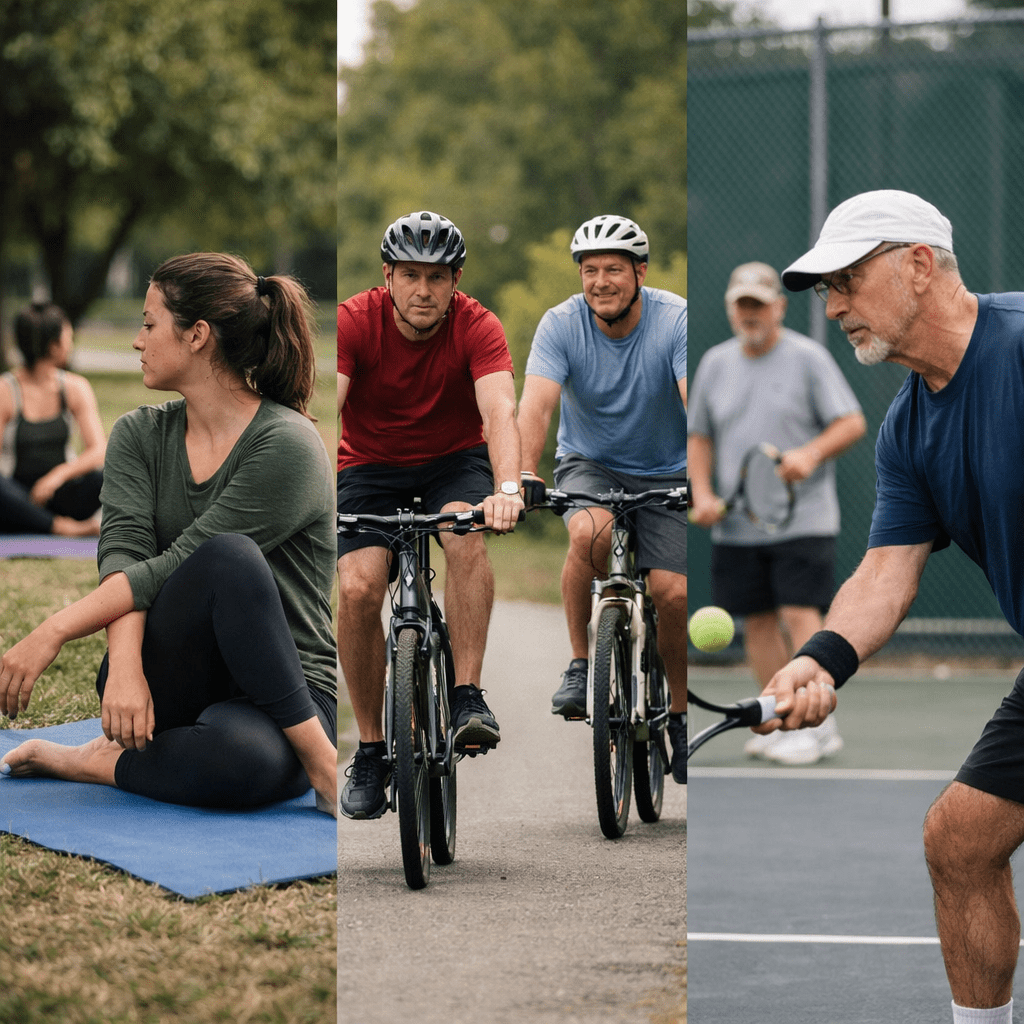
Why Affordable Sports Are A Smart Way To Boost Health And Fitness
Staying active doesn’t have to mean expensive gym memberships, pricey equipment, or premium classes. The best affordable sports for health and fitness prove that you can improve cardiovascular health, build strength, manage weight, and support mental wellbeing on a realistic budget. For many people, the biggest barrier to consistent exercise is cost, followed closely by convenience—so choosing low-cost sports that you can do locally (or with minimal kit) can be the difference between starting strong and staying consistent long term.
Affordable sports also tend to be more accessible and flexible. Whether you prefer individual activities like running or cycling, or social sports like football and basketball, low-cost options make it easier to stick to a routine. When the entry price is low, you can experiment with different sports and find the one that suits your lifestyle, schedule, and fitness goals.
Walking And Jogging: Low Cost, High Impact Fitness
Walking is often underrated, but it’s one of the most affordable and sustainable ways to improve health. It supports heart health, helps regulate blood sugar, and is gentle on joints, making it suitable for beginners and those returning to exercise. The best part is the simplicity: a comfortable pair of shoes and safe routes are usually all you need.
If you want to increase intensity, jogging and running are natural progressions. Running develops aerobic capacity, improves stamina, and burns calories efficiently. It can also be adapted to almost any fitness level by mixing running with walking intervals. Because it’s easy to track progress—distance, pace, and time—running helps build motivation without adding cost.
Cycling: A Budget-Friendly Cardio And Leg Workout
Cycling is another top choice when it comes to affordable sports for health and fitness. While there may be an initial cost if you need a bike, it can still be an economical option over time, especially if you use it for commuting as well as exercise. Cycling is low-impact compared to running, which can make it more comfortable for people with joint concerns.
From a fitness perspective, cycling strengthens the legs and glutes, improves cardiovascular fitness, and can be scaled easily—steady rides for endurance or hill sessions for strength and stamina. Many areas also offer cycle paths, parks, and scenic routes that make it enjoyable and easy to stick with.
Swimming: Full-Body Conditioning Without The Strain
Swimming is widely recognised as one of the best sports for overall conditioning. It provides a full-body workout, engaging the core, arms, shoulders, back, and legs while building lung capacity and cardiovascular endurance. Because the water supports body weight, swimming is especially beneficial for people who want a joint-friendly activity.
Cost-wise, swimming can remain affordable through pay-as-you-go sessions or local leisure centre memberships. Many pools offer off-peak rates, multi-session passes, or community discounts, making it a realistic option for regular fitness without excessive spending.
Skipping: Minimal Equipment, Maximum Results
If you want a high-intensity workout at low cost, skipping is hard to beat. A simple rope is inexpensive, portable, and effective for improving coordination, agility, and cardiovascular fitness. Skipping can burn a significant amount of calories in a short time, which makes it appealing for people with busy schedules.
Beyond cardio, skipping strengthens calves, improves footwork, and increases overall athleticism—one reason it’s a classic training tool in boxing and combat sports. It’s also easy to incorporate into home workouts, park sessions, or warm-up routines for other sports.
Bodyweight Training And Calisthenics: Strength On A Shoestring
Not every sport needs a ball, court, or club. Bodyweight training and calisthenics—like push-ups, squats, lunges, planks, and pull-ups—deliver serious fitness benefits with little to no equipment. They build functional strength, muscular endurance, mobility, and core stability, all while allowing you to train anywhere.
Parks with outdoor bars can expand your options even further, letting you practise pull-ups, dips, and hanging leg raises. Because bodyweight workouts can be adjusted by changing tempo, reps, and movement variations, they suit beginners and advanced athletes alike, making them one of the most affordable long-term approaches to strength and conditioning.
Football And Basketball: Social Fitness That Keeps You Consistent
Team sports are often an overlooked path to better health and fitness, yet they can be extremely affordable—especially when played casually in local parks or community centres. Football is a great example: it develops cardiovascular endurance, speed, agility, and coordination through constant movement and short bursts of sprinting.
Basketball offers similar benefits, with frequent changes of direction, jumping, and fast transitions that challenge the heart and strengthen the legs. Importantly, team sports often make exercise feel less like a chore and more like a social event. That enjoyment can increase consistency, which is the real key to long-term fitness progress.
Badminton And Tennis: Affordable Racket Sports For Agility And Endurance
Racket sports can also be budget-friendly, particularly if you have access to public courts or community sports halls. Badminton is excellent for agility, balance, and cardio fitness due to its quick footwork and rapid rallies. It also improves coordination and reflexes, supporting overall athletic performance.
Tennis, while sometimes associated with private clubs, can still be affordable when played on public courts with shared equipment costs. Both sports offer a mix of endurance and explosive movement, helping you build fitness while staying mentally engaged through strategy and skill development.
How To Choose The Best Affordable Sport For Your Goals
To pick the right sport, start with your primary goal: weight loss, strength, stamina, flexibility, stress relief, or social connection. Then consider practicality—location, time, and the cost of ongoing participation. The best affordable sports for health and fitness are the ones you can repeat weekly without financial pressure.
It also helps to think about enjoyment and variety. If you hate running, you won’t stick with it, no matter how effective it is. Many people benefit from combining two or three low-cost activities—like walking for daily movement, bodyweight training for strength, and a team sport for fun and motivation.
Smart Ways To Keep Sports Costs Low
Keeping fitness affordable often comes down to a few simple strategies. Use community facilities, parks, and free outdoor spaces whenever possible. Buy equipment second-hand, share gear with friends, or look for seasonal sales. If you’re trying a new sport, consider borrowing items before purchasing, so you only invest once you know you’ll commit.
Finally, remember that consistency beats complexity. A simple, affordable routine done regularly will outperform expensive plans that are hard to maintain. Staying active should support your life, not strain your budget.
Explore More Affordable Sports Ideas
If you want a deeper look at low-cost activities that support wellbeing, performance, and long-term health, you can explore the full article here: https://www.sports-star.co.uk/best-affordable-sports-for-health-and-fitness/.