Why A Cycling Break Is The Ultimate Active Getaway
A cycling holiday is one of the best ways to combine adventure, fitness, and genuine travel experiences in a single trip. Whether you’re rolling through vineyard roads, coastal paths, or mountain switchbacks, a cycling break lets you slow down enough to appreciate the landscape while still covering meaningful distances each day. Unlike traditional city breaks or fly-and-flop holidays, cycling trips give you a sense of progress and accomplishment—yet they can be tailored to suit any ability level, from gentle leisure routes to demanding climbs.
If you’re looking to organise a memorable ride-focused escape, the article “A guide to planning the perfect cycling break” offers a practical framework for choosing the right destination, preparing your kit, and building an itinerary that balances challenge with enjoyment. Below is a guest-post-friendly, SEO-focused overview inspired by that guide, designed to help you plan with confidence.
Choose The Right Cycling Destination For Your Goals
The first step in planning the perfect cycling break is deciding what kind of experience you want. Are you chasing high-altitude climbs and dramatic views, or would you prefer flatter, scenic routes that prioritise relaxed riding and sightseeing? The best cycling destinations match your fitness level, interests, and preferred riding style—road cycling, gravel, mountain biking, or a mixture of surfaces.
Think about the time of year as well. Climate can make or break a cycling trip: summer heat may be uncomfortable in some regions, while shoulder seasons can bring quieter roads and pleasant temperatures. Also consider local infrastructure. Destinations with well-marked cycle routes, bike-friendly accommodation, and good road conditions tend to reduce stress and improve the overall experience, especially for first-time cycling holidaymakers.
Set A Realistic Cycling Itinerary
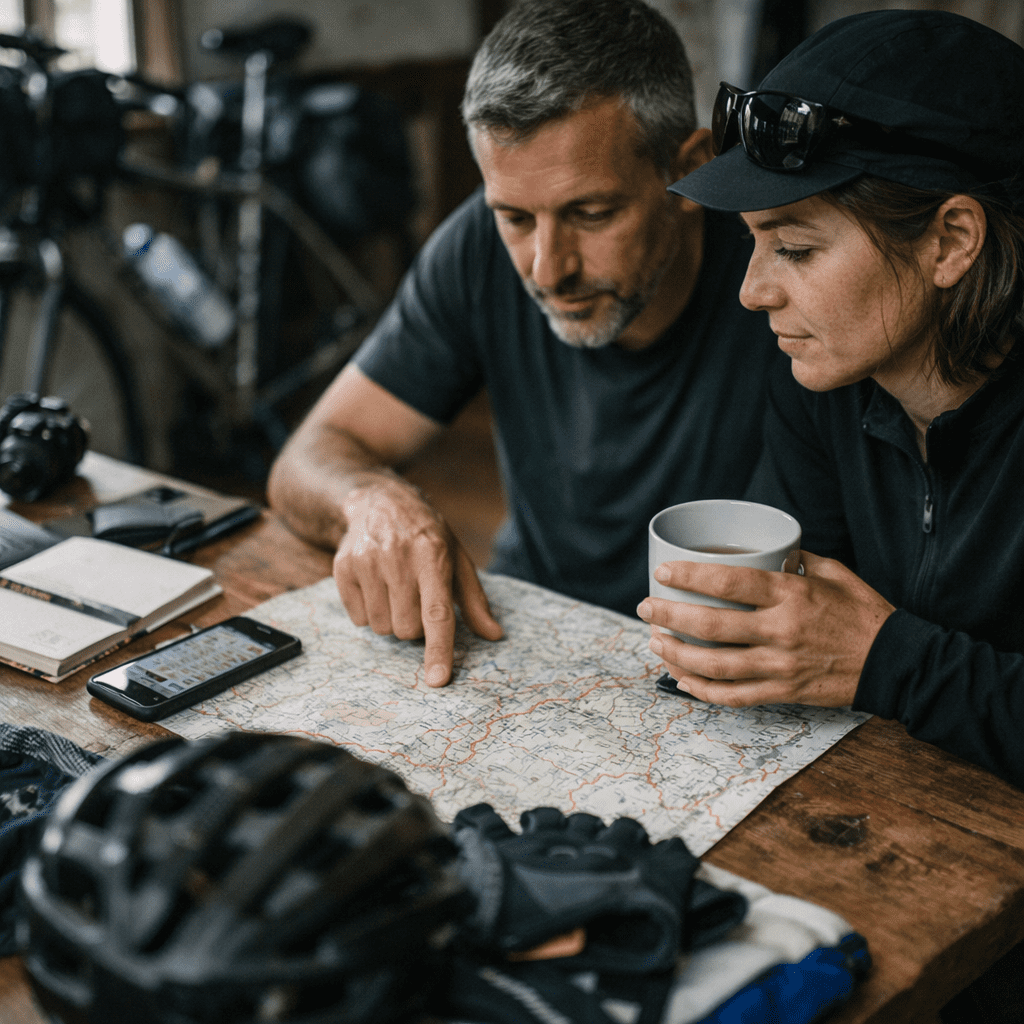
A great cycling break isn’t about riding the maximum distance every day—it’s about consistency, comfort, and leaving room to enjoy where you are. A well-planned itinerary typically balances ride days with lighter days, allowing time for rest, exploration, and flexibility if weather changes. When mapping out your route, evaluate daily distance, elevation gain, terrain type, and how many hours you’ll realistically spend in the saddle.
Many cyclists find that planning slightly shorter days than they think they can manage leads to a more enjoyable trip. You’ll have extra time for café stops, photos, local attractions, and recovery. If you’re travelling with a group, it’s wise to plan around the least experienced rider to keep morale high and reduce the risk of injury or burnout.
Decide Whether To Go Self-Guided Or Supported
Another key planning choice is whether you want a self-guided cycling holiday or a supported trip. Self-guided breaks offer freedom: you choose your pace, stops, and schedule. They can also be more cost-effective, especially if you’re comfortable handling navigation, route adjustments, and basic bike maintenance.
Supported cycling breaks, on the other hand, can significantly reduce logistical demands. Many include luggage transfers, planned routes, bike hire options, and access to local expertise. This approach can be ideal if you’re cycling in an unfamiliar country, tackling a longer multi-day route, or simply want to focus more on the riding and less on planning the details.
Plan Your Bike Setup And Essential Gear
Your bike choice and setup have a huge impact on comfort and performance. Some travellers prefer bringing their own bike because it guarantees familiarity and fit. Others choose to hire locally to avoid airline transport complications and the risk of damage in transit. Whichever option you choose, ensure the bike matches your intended routes—road tyres for smooth tarmac, wider tyres for gravel paths, and appropriate gearing if you’ll face steep climbs.
When it comes to cycling holiday packing, focus on essentials rather than overloading yourself. Prioritise a good helmet, weather-appropriate clothing layers, padded shorts, gloves, and reliable sunglasses. Tools and spares—such as inner tubes, a multi-tool, tyre levers, and a mini pump—can prevent small issues from turning into day-ending problems. Don’t forget lights if you might ride in low visibility, and a secure lock if you plan to stop frequently in towns.
Build In Nutrition, Hydration, And Recovery
Food and hydration planning is often overlooked, but it can define the quality of your cycling break. Riding for hours increases your calorie needs, and failing to fuel properly can cause fatigue, poor recovery, and a less enjoyable experience. Aim to eat regularly during rides—small, easy-to-digest snacks can help maintain energy without causing stomach discomfort.
Hydration is equally important, especially in warm climates or high-exertion routes. Carry enough water capacity for long stretches without services, and consider electrolytes if you’re sweating heavily. After each day’s ride, recovery becomes the priority: a satisfying meal with a balance of carbohydrates and protein, plenty of fluids, light stretching, and quality sleep all contribute to stronger riding the following day.
Stay Safe With Smart Route Planning
Safety should be built into your plan from the start. Before you travel, review local road rules and cycling etiquette—these vary by country. Choose routes that suit your comfort level with traffic, and prioritise dedicated cycle paths or quieter roads where possible. Using a reliable navigation tool can reduce wrong turns and help you avoid stressful sections.
It’s also sensible to share your route with someone, particularly if you’re riding solo. Carry identification and basic medical information, and consider travel insurance that covers cycling activities. If your plans involve remote areas, having offline maps and a backup power source for your phone can add peace of mind.
Make Accommodation Part Of The Experience
Where you stay on a cycling break can dramatically enhance your trip. Many cyclists prefer bike-friendly hotels or guesthouses that offer secure bike storage, laundry facilities, and early breakfasts. Location matters too—staying close to your route reduces wasted time and keeps mornings stress-free.
For multi-day tours, plan stops in towns that offer good dining options and a bit of atmosphere. The best cycling holidays strike a balance between riding and enjoying the local culture. Small touches—like choosing a scenic village for an overnight stay or planning a rest afternoon at a local attraction—can make the trip feel more like a holiday and less like an endurance test.
Final Tips For Planning The Perfect Cycling Break
To pull it all together, focus on creating a cycling break that fits your lifestyle and expectations. Start planning early enough to secure the best accommodation and travel options, especially during peak seasons. Do at least a few training rides beforehand that mimic your expected daily distance or elevation, and test your gear to avoid surprises.
Most importantly, remember that flexibility is part of good planning. Weather changes, mechanical issues, or unexpected discoveries can reshape your itinerary—and that’s often where the best travel moments happen.
You can explore the full article by going to this link: https://dailycontributors.com/a-guide-to-planning-the-perfect-cycling-break/.