Why You Need To Try Dry Aged Steak
For steak lovers who crave deeper flavor, a more tender bite, and a dining experience that feels truly special, dry aged steak is a must-try. Unlike standard fresh-cut beef, dry aging is a time-tested technique that transforms quality cuts into something richer, nuttier, and more complex. The result is steak with pronounced character—often described as “beefier” than beef itself—paired with a texture that can feel almost buttery when cooked well. If you’ve seen dry aged ribeyes or New York strips on a menu and wondered what makes them different (and worth the premium), understanding the dry aging process will make your next steakhouse order much more exciting.
What Dry Aging Means And How It Works
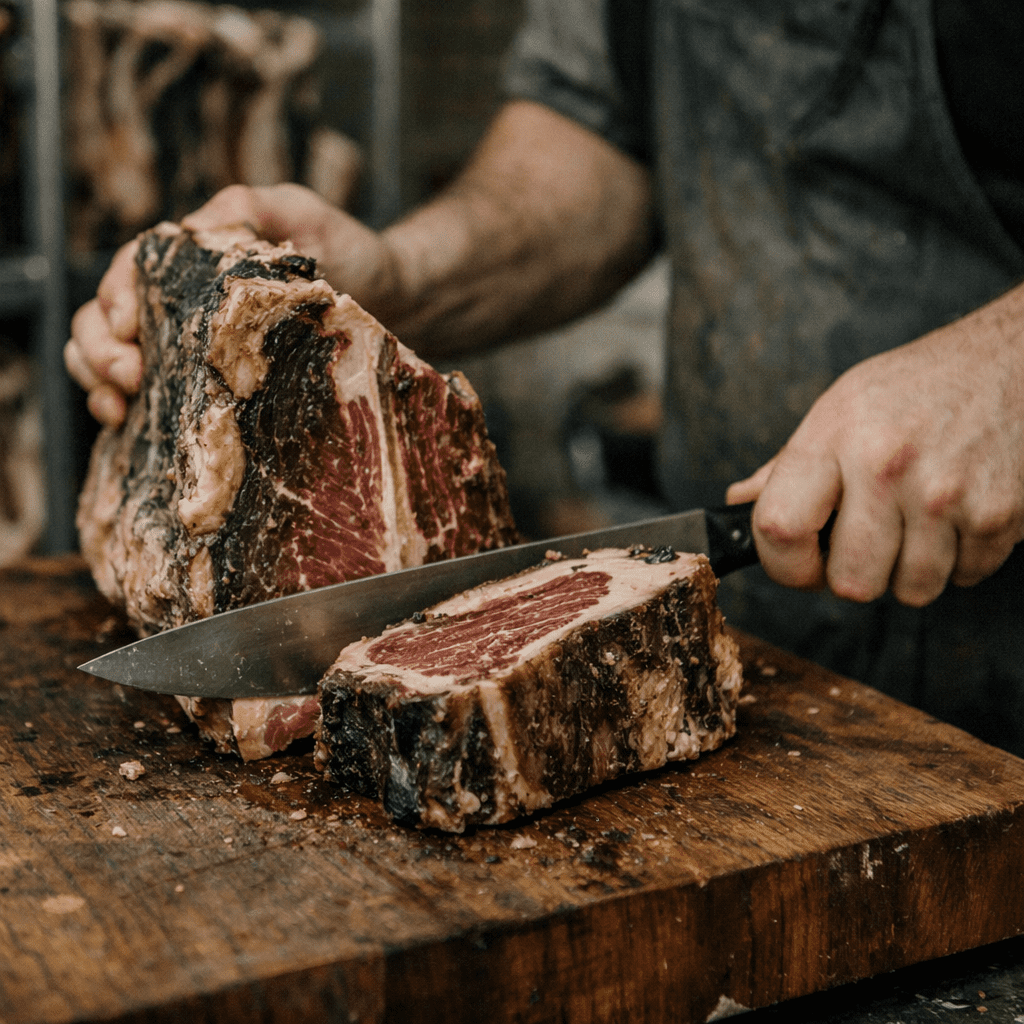
Dry aging is the process of storing large cuts of beef in a controlled environment for an extended period. The conditions matter: temperature, humidity, and airflow are carefully regulated so the meat ages safely while developing flavor. Rather than sealing the beef in plastic, it is left exposed to air, which encourages moisture loss and natural enzymatic activity. Over time, the steak becomes more concentrated in flavor and more tender, because enzymes break down tough muscle structures. This controlled aging approach has long been used by butchers and high-end steakhouses to elevate premium cuts.
In practical terms, dry aging turns an already-good steak into a “special occasion” steak. The meat loses water weight as it ages, which intensifies the taste. Meanwhile, a firm outer layer forms on the surface. That exterior is typically trimmed away before cooking and serving, leaving behind the prized interior with its signature aroma and depth.
The Flavor Difference: Richer, Beefier, And More Complex
The biggest reason people seek out dry aged steak is flavor. Regular steak is delicious, but dry aged beef brings an added dimension: a concentrated beefiness plus subtle notes that many describe as nutty, buttery, or even slightly cheesy in the best way. Because moisture evaporates during aging, what remains is a more intensified version of the beef’s natural flavor. For anyone who enjoys bold tastes, dry aged steak offers a satisfying, restaurant-level experience even before you add salt, pepper, or a finishing butter.
This is also why dry aged steak tends to stand up beautifully to simple seasoning. Many chefs recommend letting the beef speak for itself, using minimal ingredients and careful cooking technique rather than heavy marinades or sauces. When the steak is excellent, less truly is more.
Why Dry Aged Steak Is More Tender
Tenderness is the other major benefit. During dry aging, enzymes naturally present in the meat break down connective tissue and muscle fibers. As that breakdown continues, the texture becomes more tender and easier to chew—especially compared with the same cut cooked fresh. This doesn’t mean dry aged steak is “mushy” or soft in a low-quality way; instead, it often has a refined tenderness with a pleasant structure, making each bite feel luxurious.
That tenderness can be especially noticeable in thicker cuts cooked to medium-rare or medium, where the interior remains juicy and the exterior can be seared to develop a flavorful crust. The combination of a crisp sear and a tender center is part of the dry aged appeal.
How Long Steak Is Dry Aged (And Why It Matters)
Dry aged beef can be aged for different lengths of time, and the timeline affects taste and texture. Many people consider around a few weeks of aging to be the entry point for noticeable improvement. As aging continues into longer periods, the flavor becomes more intense and distinctive. Some steak enthusiasts love longer aging for its pronounced character, while others prefer a more moderate age that enhances flavor without becoming too funky.
In general, longer aging means stronger flavor, more moisture loss, and more trimming—factors that contribute to cost. If you’re trying dry aged steak for the first time, choosing a moderately aged cut is often an ideal introduction. Once you know you enjoy it, experimenting with longer-aged steaks can be a fun way to find your personal preference.
Why Dry Aged Steak Costs More
Dry aged steak is typically priced higher than standard steak for good reason. First, the process requires time and specialized storage conditions—space, temperature management, humidity control, and consistent airflow. Second, the beef loses weight during aging as moisture evaporates, so there is less sellable product at the end. Third, the outer layer that forms during aging must be trimmed, which further reduces yield. When you combine time, shrinkage, trimming, and the need for skilled handling, the premium price becomes easier to understand.
That said, many diners find that the cost is justified by the upgraded flavor and tenderness. It’s an experience that feels closer to a curated tasting than an everyday meal—one that can elevate a date night, celebration, or foodie bucket-list outing.
Best Cuts To Try When Ordering Dry Aged Beef
Some cuts shine particularly well when dry aged. Ribeye is a favorite because its marbling pairs beautifully with the intensified flavor, delivering a rich, juicy steak with a deep, savory finish. New York strip is another popular option, known for its balance of tenderness and structure, and it often showcases the dry aged “nuttiness” clearly. Porterhouse or T-bone can also be excellent choices, giving you more than one texture in a single steak.
If you’re unsure what to pick, ask your butcher or server what’s currently aging and what they recommend for a first-timer. Many steakhouses take pride in their aging programs and can guide you toward a cut and age range that matches your taste preferences.
How To Enjoy Dry Aged Steak At Its Best
To fully appreciate dry aged steak, it helps to keep things simple. A good sear and proper resting time go a long way. Because the flavor is already concentrated, heavy sauces can mask what makes dry aged beef unique. Instead, classic accompaniments—like roasted vegetables, potatoes, or a crisp salad—tend to complement it well without overpowering it.
Also consider pairing dry aged steak with a drink that can match its intensity. Many people enjoy a bold red wine, but darker beers or spirit-based cocktails can also work depending on your preference. The goal is balance: something that enhances the steak’s depth rather than competing with it.
Where To Learn More About Dry Aged Steak
Dry aged steak is more than a trend—it’s a craft that highlights how time and technique can unlock incredible flavor and tenderness in beef. Whether you try it at a steakhouse or source it from a trusted butcher, it’s an experience that can change the way you think about what steak can be.
You can explore the full article by going to the following link: https://www.hometownstation.com/news-articles/why-you-need-to-try-dry-aged-steak-382434.