The Shift Toward A More Natural Look With Dermal Fillers
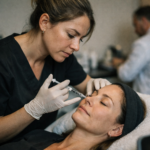
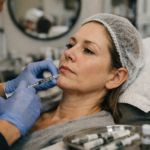
Dermal fillers have been a staple in aesthetic medicine for years, but the conversation around them is changing fast. Instead of chasing dramatic transformations, more people are prioritizing subtle refinement—restoring what time has softened, without looking “done.” This growing preference reflects a wider beauty trend: enhancing natural features rather than replacing them. In other words, it’s all about getting back to natural.
As highlighted in the article on Shaily Beauty Tips, the most satisfying filler outcomes are often the least obvious. The goal is to look refreshed, balanced, and well-rested—like you’ve had great sleep and a stress-free month—not like you’ve had a noticeable procedure. For anyone considering injectable treatments, understanding this “natural first” approach is essential for safer decisions and better results.
What Dermal Filler Treatments Are Designed To Do
Dermal fillers are injectable gels used to restore volume, smooth lines, and improve facial proportions. Most modern fillers—especially hyaluronic acid (HA) fillers—are designed to integrate into the skin and create soft, flexible support. They can be used to subtly lift the cheeks, refine the jawline, hydrate and define lips, soften nasolabial folds, or improve under-eye hollows when appropriate.
The key point is that fillers aren’t only about “adding volume.” The right treatment plan often focuses on restoration and structure. As facial fat pads shift and collagen naturally decreases with age, fillers can help recreate gentle support in areas that have become hollow or flattened. When performed thoughtfully, this can result in a natural-looking rejuvenation rather than a dramatic change.
Why “Overfilled” Looks Happened—And Why The Trend Is Reversing
Social media and celebrity influence helped popularize bolder aesthetics for a time, and this sometimes led to overcorrection: too much product, too frequently, or placed without considering facial balance. The result could look puffy, heavy, or disproportionate—particularly around the lips, cheeks, and under-eye area.
Today, both patients and experienced injectors are moving away from extremes. The new standard emphasizes facial harmony, proportion, and individualized anatomy. Many clinics now adopt “less is more” treatment planning—incremental sessions, conservative dosing, and reassessment rather than a one-and-done approach. The reversal is also driven by better education: people understand that filler should complement natural beauty, not compete with it.
The Importance Of Choosing The Right Filler And The Right Technique
Not all fillers are the same. Different formulations vary in thickness, flexibility, and how they behave in the tissue. A product that works beautifully for cheek support may be inappropriate for lips, and a technique that looks great on one face can look unnatural on another. That’s why the “back to natural” approach depends heavily on product selection and injector expertise.
In natural-looking dermal filler treatments, placement matters as much as volume. Skilled providers consider facial structure, movement, skin quality, and how light reflects on the face. They also prioritize symmetry without trying to create a perfectly identical look on both sides—because real faces are naturally asymmetrical. The aim is to enhance, not redesign.
Common Treatment Areas For A Natural Result
When patients want a refreshed appearance without obvious signs of cosmetic work, certain areas tend to deliver especially natural improvements:
Cheeks: Subtle cheek support can restore midface lift, reducing the appearance of tiredness and softening shadows around the nose and mouth.
Lips: Modern lip filler trends focus on hydration, clean definition, and gentle volume rather than exaggerated projection.
Jawline and Chin: Conservative enhancement can sharpen a soft jawline or improve profile balance without creating an artificial, overly angular look.
Under-Eyes (Tear Troughs): In carefully selected candidates, this can reduce hollowing and create a more rested appearance. Because this area is delicate, it’s especially important to use the right filler and an experienced practitioner.
What To Discuss During A Dermal Filler Consultation
A natural outcome starts with a thorough consultation. Before treatment, it’s smart to discuss your goals in “real life” terms: Do you want to look less tired? Improve definition? Balance asymmetry? Bringing reference photos can help, but focus on realistic examples—faces similar to yours, and results that look believable.
You should also ask about the injector’s plan: which product they recommend, where they intend to place it, how much they propose using, and whether the approach is staged over multiple appointments. A cautious provider will talk openly about limitations, risks, and why less filler may actually look better.
Safety, Aftercare, And Managing Expectations
Dermal fillers are widely performed, but they are still medical aesthetic procedures and should be treated with appropriate seriousness. Mild swelling, tenderness, and temporary bruising can be normal. Aftercare often includes avoiding heavy exercise for a short time, minimizing alcohol before and after treatment, and not applying pressure to the treated area unless directed.
Managing expectations is a big part of achieving a natural look. Results may evolve over days as swelling settles. Also, “natural” doesn’t mean “no change”—it means the change blends seamlessly with your features. Many people find that the best compliment after filler is not “Where did you get work done?” but “You look really well.”
Dissolving And Reversing: Another Reason People Feel More Confident
One reason hyaluronic acid fillers remain popular is that they can often be adjusted or dissolved with an enzyme called hyaluronidase. This supports the broader “getting back to natural” theme: if a result feels too much, it may be possible to refine it rather than living with an unwanted look.
That said, dissolving is still a medical process and should be approached with professional guidance. The best strategy is always prevention—choosing the right provider and prioritizing conservative, anatomically sound treatment from the start.
The Future Of Dermal Fillers: Subtlety, Balance, And Confidence
The modern approach to dermal filler treatments is moving toward subtle enhancements that respect individuality. Rather than chasing a singular beauty template, patients are embracing results that look like the best version of themselves. Balanced proportions, soft contouring, and careful placement can restore confidence while keeping facial expressions and personality intact.
If you’re considering fillers, the takeaway is clear: natural results come from thoughtful planning, realistic goals, and an injector who values facial harmony over maximum volume. This is how dermal fillers can support—not override—your natural beauty.
You can explore the full article by going to the following link: https://shailybeautytips.com/dermal-filler-treatments-getting-back-to-natural/