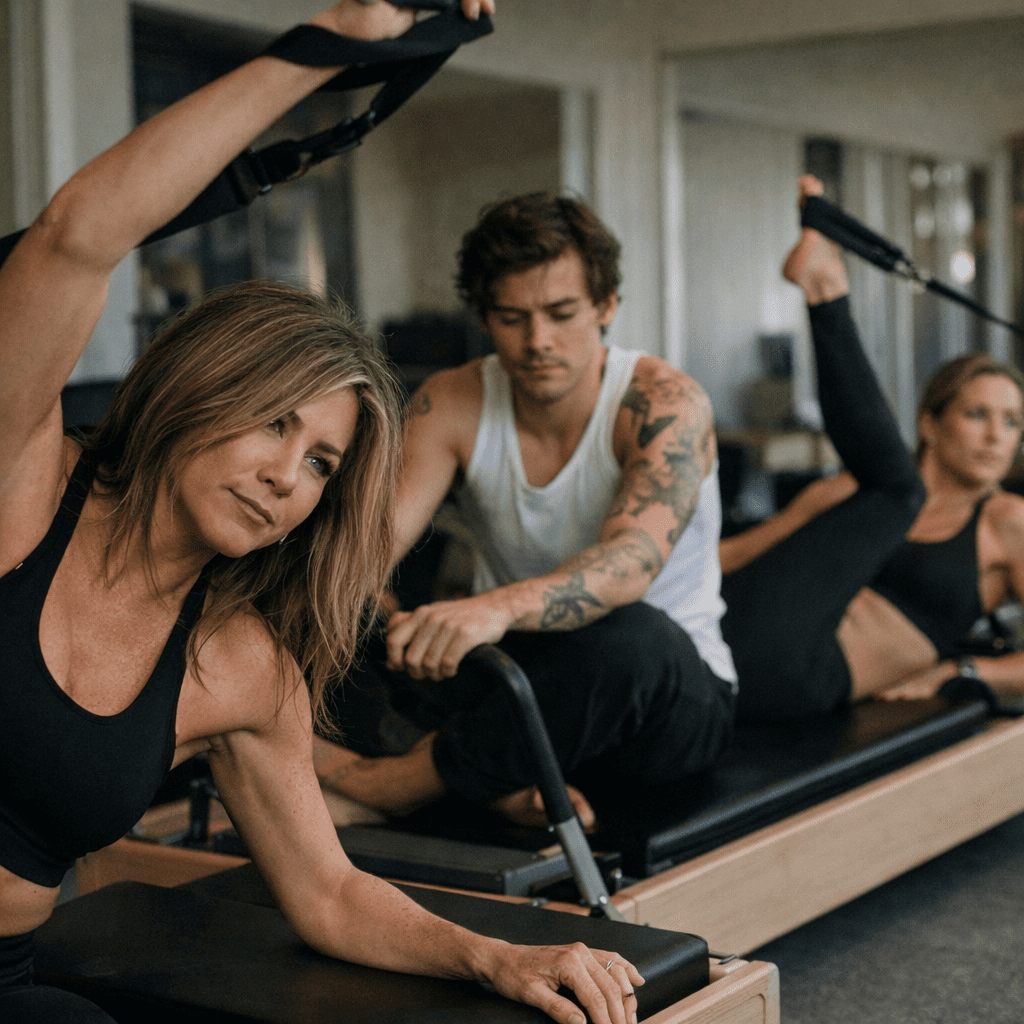
Why Pilates Remains A Go-To Workout For Every Body
Pilates has evolved from a niche studio class into a staple in modern wellness routines, and for good reason. Designed to build strength, stability, and control through intentional movement, Pilates supports a balanced body rather than simply chasing aesthetics. The practice emphasizes quality over quantity—precise alignment, mindful breathing, and a strong connection between the mind and muscles. That combination is a big part of why Pilates continues to resonate with beginners, athletes, and celebrities alike. Whether you’re looking to improve posture, strengthen your core, reduce back discomfort, or complement your current training plan, Pilates offers a low-impact but highly effective path to better movement.
What Pilates Actually Is (And Why It Works)
At its core, Pilates is a method of controlled exercise developed to improve overall function of the body. Many people associate it solely with mat-based routines, but it can be practiced on specialized equipment such as the Reformer, Cadillac, or Wunda Chair. Regardless of the format, Pilates focuses on strengthening the deep stabilizing muscles—especially around the core, hips, glutes, and spine—while teaching your body to move efficiently. Because movements are deliberate and centered on form, Pilates helps improve coordination, proprioception (body awareness), and muscular balance. Over time, those improvements can translate into better performance in sports, safer lifting mechanics, and more ease in everyday activities such as walking, sitting, and standing.
Core Strength That Goes Beyond Aesthetics
One of the most well-known benefits of Pilates is its ability to develop a stronger core. But the “core” in Pilates isn’t just about visible abdominal definition. It’s about building the deep muscles that support your spine and pelvis, including the transverse abdominis, multifidus, pelvic floor, and diaphragm. When those muscles work together effectively, you may notice better stability, reduced strain on your lower back, and improved movement control. This is particularly valuable if you spend long hours sitting, frequently experience tight hips, or want to support healthier posture. Strong core function can also improve balance and help protect against avoidable injuries by creating a more stable base for all movement.
Improved Posture And Alignment For Daily Life
Pilates is widely praised for helping people stand taller and move with more ease. Modern routines—especially desk-heavy workdays—often lead to rounded shoulders, forward head posture, and a weakened posterior chain. Pilates addresses these patterns by strengthening the muscles that support upright alignment, including the upper back, glutes, and deep core stabilizers. Many exercises also promote spinal mobility and shoulder stability, helping counteract stiffness and compensation. Over time, improved alignment can make everyday tasks feel less taxing and may help reduce tension that commonly builds in the neck, shoulders, and lower back.
A Low-Impact Workout With Real Strength Benefits
Pilates is frequently described as low-impact, but that doesn’t mean low results. It challenges the body through time under tension, controlled range-of-motion work, and smart sequencing that targets both large and small muscle groups. Because Pilates is joint-friendly, it can be a strong option for people who want to limit high-impact exercise like running or jumping, or those returning to movement after time off. The controlled nature of Pilates also makes it easier to scale intensity: beginners can focus on fundamentals, while advanced participants can increase challenge through stability demands, resistance springs on the Reformer, and more complex movement patterns.
Flexibility, Mobility, And Balanced Muscle Tone
A standout feature of Pilates is its ability to build strength while encouraging length through muscles. Many workouts focus on strengthening without addressing mobility, which can contribute to stiffness over time. Pilates incorporates dynamic stretching and controlled articulation—especially through the spine and hips—so you can develop functional flexibility alongside strength. This creates a more balanced body: tight areas are encouraged to open, weaker areas learn to activate, and movement becomes smoother. Consistency often leads to improved hip mobility, better shoulder range of motion, and more comfort during activities like bending, reaching, and twisting.
Mind-Body Connection And Stress Support
Pilates is not only a physical practice—it’s also a mental reset. Because it emphasizes breathwork, focus, and precision, a session naturally pulls attention away from stress and into the present moment. Many people find that Pilates encourages calmer, more controlled breathing patterns, which can be helpful for managing tension. The mindful element can also improve workout quality: instead of rushing through reps, you learn to engage the right muscles at the right time. That awareness can carry into other training styles and support better overall movement habits.
Famous Faces Who Swear By Pilates
Pilates has long been popular among celebrities and high performers, and it’s easy to see why. The method can improve posture on camera, build lean strength, and support a resilient body that can handle demanding schedules. Various well-known figures have credited Pilates as a key part of their fitness routine, often highlighting its ability to strengthen the core, improve flexibility, and create long, toned muscles without heavy impact. Celebrities appreciate that Pilates is adaptable: it can be gentle on recovery days, or intensely challenging when done with equipment and skilled instruction. This versatility is one reason it stays trendy—yet timeless—in the fitness world.
How To Get Started With Pilates (And Stick With It)
If you’re new to Pilates, begin with foundational mat classes or an introductory Reformer session with a qualified instructor. Learning form early matters because Pilates is technique-driven. Start with two to three sessions per week and focus on consistency rather than intensity. Pay attention to breath cues, alignment, and core engagement, and don’t be afraid to modify. If you have specific needs—like postpartum recovery, back discomfort, or limited mobility—consider a private session to get personalized guidance. As you progress, you can mix mat and equipment-based workouts or blend Pilates with walking, strength training, or yoga for a well-rounded routine.
The Takeaway: A Smarter Way To Strengthen, Lengthen, And Move Better
Pilates continues to earn its reputation as a powerful, low-impact workout that supports strength, balance, posture, flexibility, and mind-body connection. It’s a practical option for people who want to feel better in daily life, enhance athletic performance, or build a more stable foundation for other types of exercise. And with famous faces frequently praising its results, Pilates remains one of the most trusted methods for sustainable, full-body fitness.
They can explore the full article by going to the following link: https://livingwithlindsay.com/the-benefits-of-pilates-and-famous-faces-who-swear-by-it/