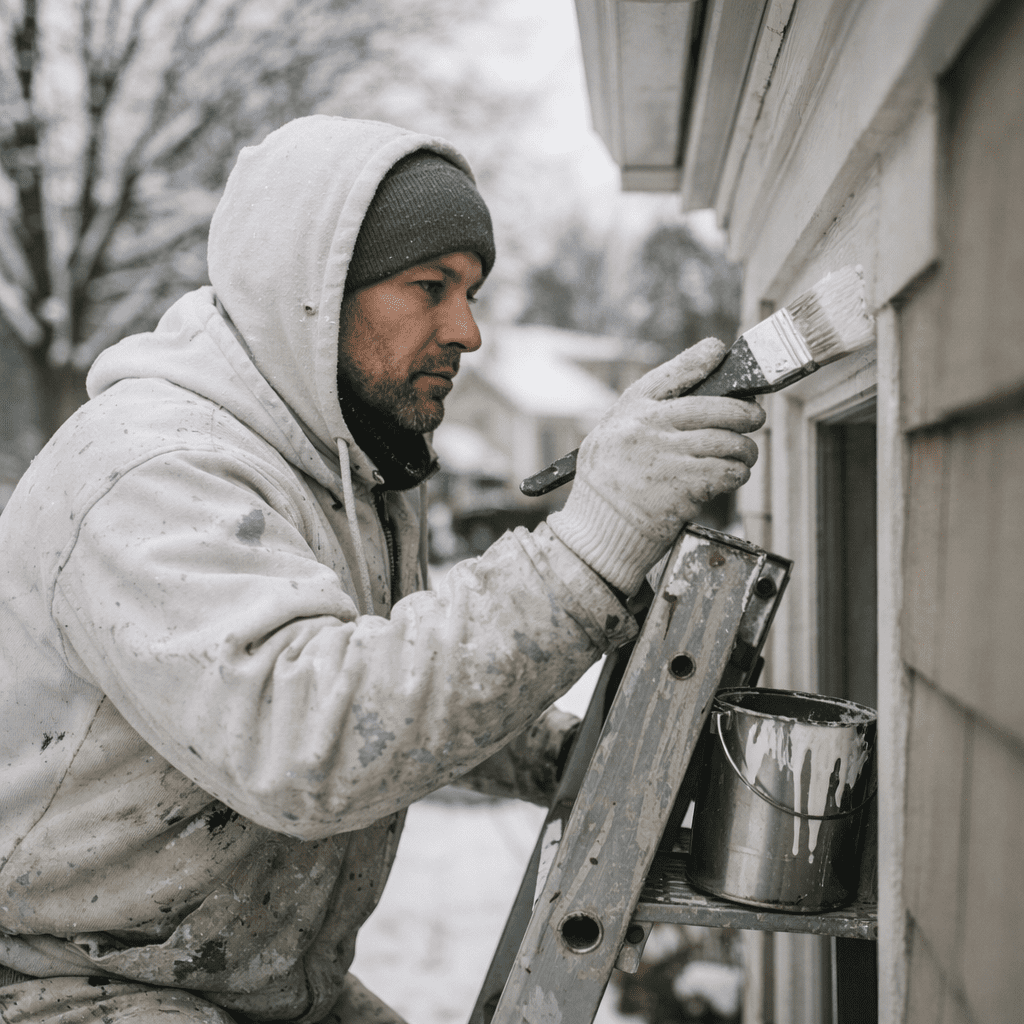
Why Winter Painting Deserves A Second Look
Many homeowners automatically plan painting projects for spring and summer, assuming warm weather is the safest and most practical time to refresh interiors or exteriors. In reality, winter can be a safer season for painting in several important ways—especially when it comes to reducing heat-related health risks, improving control over ventilation, and avoiding common warm-weather hazards. If you’re weighing the best time to paint a house, it’s worth understanding why painting in the winter is safer than in the summer and how cold-weather conditions can actually create a more manageable, predictable work environment.
Lower Heat Means Lower Health Risks
One of the biggest reasons winter painting can be safer is simply the temperature. Summer painting often involves high heat and strong sun exposure, which can increase the likelihood of dehydration, heat exhaustion, and fatigue—particularly for exterior jobs or rooms without adequate cooling. In winter, the cooler air helps painters stay comfortable and alert for longer periods, reducing the risk of heat stress and the mistakes that can come with it.
This is particularly relevant for DIY homeowners who may not have professional safety routines in place. When you’re climbing ladders, carrying supplies, or working for hours on detailed prep, the body is already under strain. Cooler weather can make those physical demands easier to manage and reduce the chance of dizziness, slips, and accidents.
Better Control Over Indoor Ventilation
Ventilation is a major safety consideration for any painting project. Paint fumes—especially from oil-based products, primers, and certain industrial coatings—can cause headaches, throat irritation, and nausea if airflow is poor. While summer seems like a good time to open windows, extreme heat often leads people to keep homes sealed to preserve air conditioning. That can trap fumes indoors longer than expected.
In winter, ventilation can be more deliberate and controlled. Instead of sealing the house all day, you can crack windows strategically for shorter periods, use exhaust fans, and allow fresh air exchanges without fighting blazing heat. The key is planning: ventilate in intervals, maintain airflow pathways, and prioritize low-VOC or zero-VOC paints when possible for safer indoor air quality.
Reduced Humidity Can Improve Drying Conditions
Humidity plays a major role in how paint dries and cures. Many summer days come with high humidity, storms, and fluctuating weather patterns that can slow drying times and lead to tacky finishes or uneven sheen. When paint stays wet longer, it also remains more vulnerable to dust, insects, and accidental contact—creating a higher likelihood of rework and prolonged exposure to fumes.
Winter air is often drier (depending on your region), which can help paint set more reliably for many interior projects. More predictable drying conditions can also reduce the temptation to speed things up unsafely with excessive heat or poor product choices. As always, you should follow the manufacturer’s recommended temperature range and drying guidelines, but many modern paints are formulated to perform well in cooler indoor environments.
Fewer Pests And Outdoor Hazards
Summer painting commonly comes with extra annoyances that can become safety issues. Wasps, bees, mosquitoes, and other insects are more active, especially around eaves, decks, fences, and exterior trim. Encounters with stinging insects while on a ladder or scaffolding can quickly create a dangerous situation.
Winter tends to reduce pest activity, lowering the risk of sudden distractions and minimizing the chance of insects sticking to wet paint. Outdoor conditions can also be calmer in certain climates, with less intense sun glare—a factor that can impair visibility and contribute to missteps, especially when working at height.
Less Intense Sun Helps Prevent Application Problems
Direct summer sun can heat surfaces dramatically, even if the air temperature seems manageable. Painting a hot wall, siding, or trim can cause paint to dry too quickly on contact, increasing brush marks, lap marks, and adhesion issues. Rapid drying can also lead to premature “skinning,” where paint forms a surface film before it properly bonds or levels underneath.
Winter’s lower sun intensity can help surfaces stay closer to ambient temperature, making paint application more consistent. When paint has time to level properly, you’re more likely to achieve a smoother finish with fewer touch-ups. Fewer touch-ups mean less time on ladders, less material handling, and ultimately a safer, more efficient project.
Winter Scheduling Can Reduce Rushed Work
Another overlooked safety benefit: winter painting often comes with a slower pace and fewer competing priorities. Summer is packed with travel, outdoor activities, and home projects that can pressure people to “finish fast.” Rushing increases the likelihood of skipping prep steps, ignoring safety gear, or painting in suboptimal conditions just to stay on schedule.
In winter, homeowners and contractors may have more flexibility to plan properly, allow adequate drying time, and complete thorough surface preparation. Better preparation—cleaning, patching, sanding, caulking, and priming—doesn’t just improve results; it also reduces hazards such as paint failure, peeling, and the need for repeat work later.
Cold-Weather Painting Tips For A Safer Project
While winter can be safer than summer in many respects, smart planning is still essential. If you’re painting indoors during colder months, maintain a stable room temperature recommended by the paint manufacturer, and avoid drastic temperature swings that can affect drying and cure. Use fans and exhaust systems to move air safely, but don’t aim strong airflow directly at freshly painted surfaces if it causes debris to settle into the finish.
For exterior winter painting, pay close attention to nighttime lows, dew point, and product specifications. Choose paints designed for lower temperatures if necessary, and paint during the warmest part of the day. Store paint properly so it doesn’t freeze, and keep tools dry to avoid slips. Whether indoors or outdoors, wear appropriate PPE, including gloves and eye protection, and use ladders on stable, dry ground.
Safer Doesn’t Mean Effortless—But It Can Mean Smarter
Painting in the winter is safer than in the summer for many homeowners because it reduces heat-related strain, can offer better control over ventilation, and typically avoids humidity and pest-related complications. With modern paint formulations and the right preparation, winter can be an excellent time to tackle interior upgrades and, in suitable conditions, certain exterior jobs as well. The result is often a safer work environment, smoother application, and fewer obstacles that can derail a project.
You can explore the full article by going to the following link: https://houseintegrals.com/why-painting-in-the-winter-is-safer-than-in-the-summer/.